Repairs · West Hill
Garage Door Manual Lock Repair in West Hill
You pushed the slide bolt across like always, but tonight it stops short of the slot in the track and springs back.
In plain words
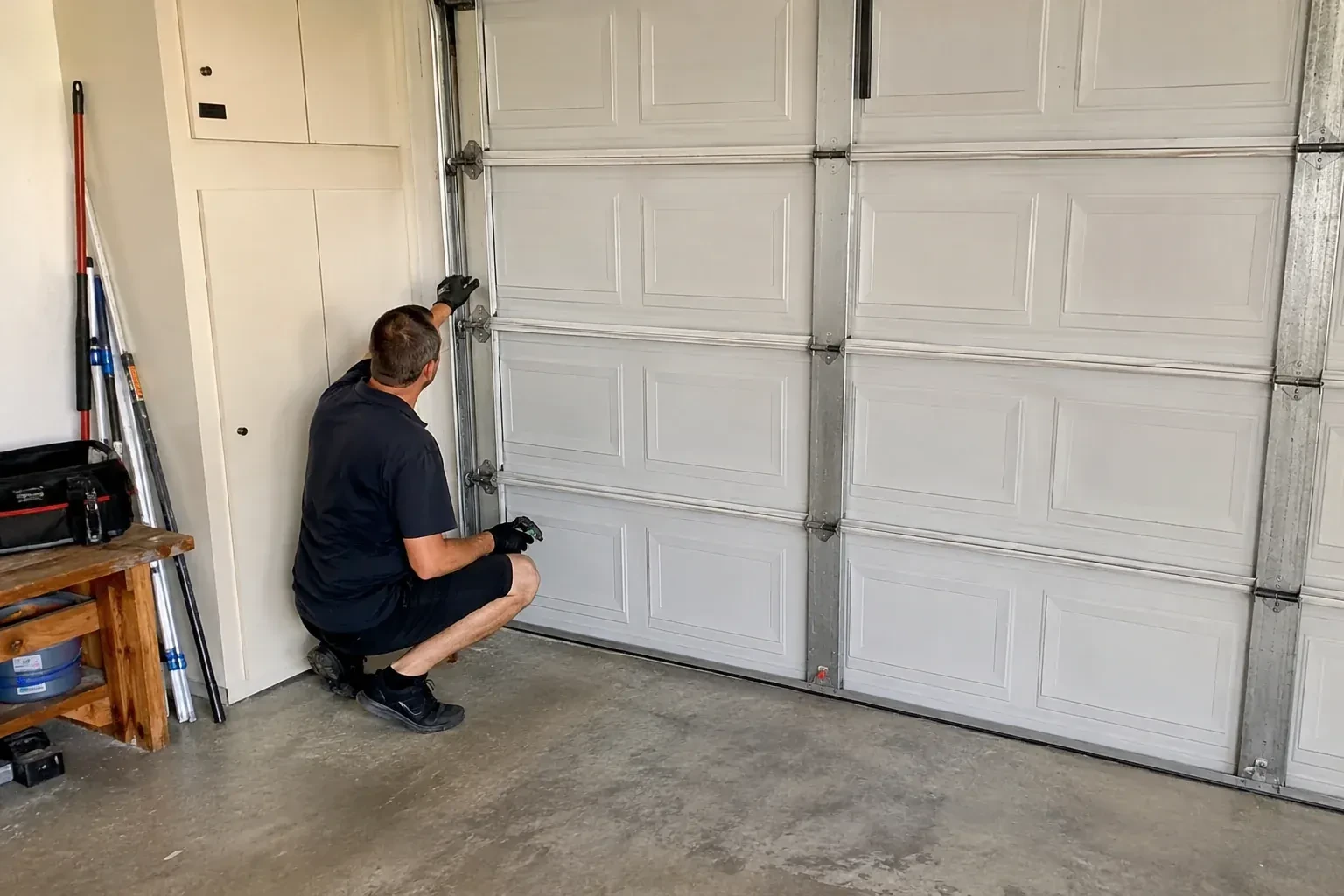
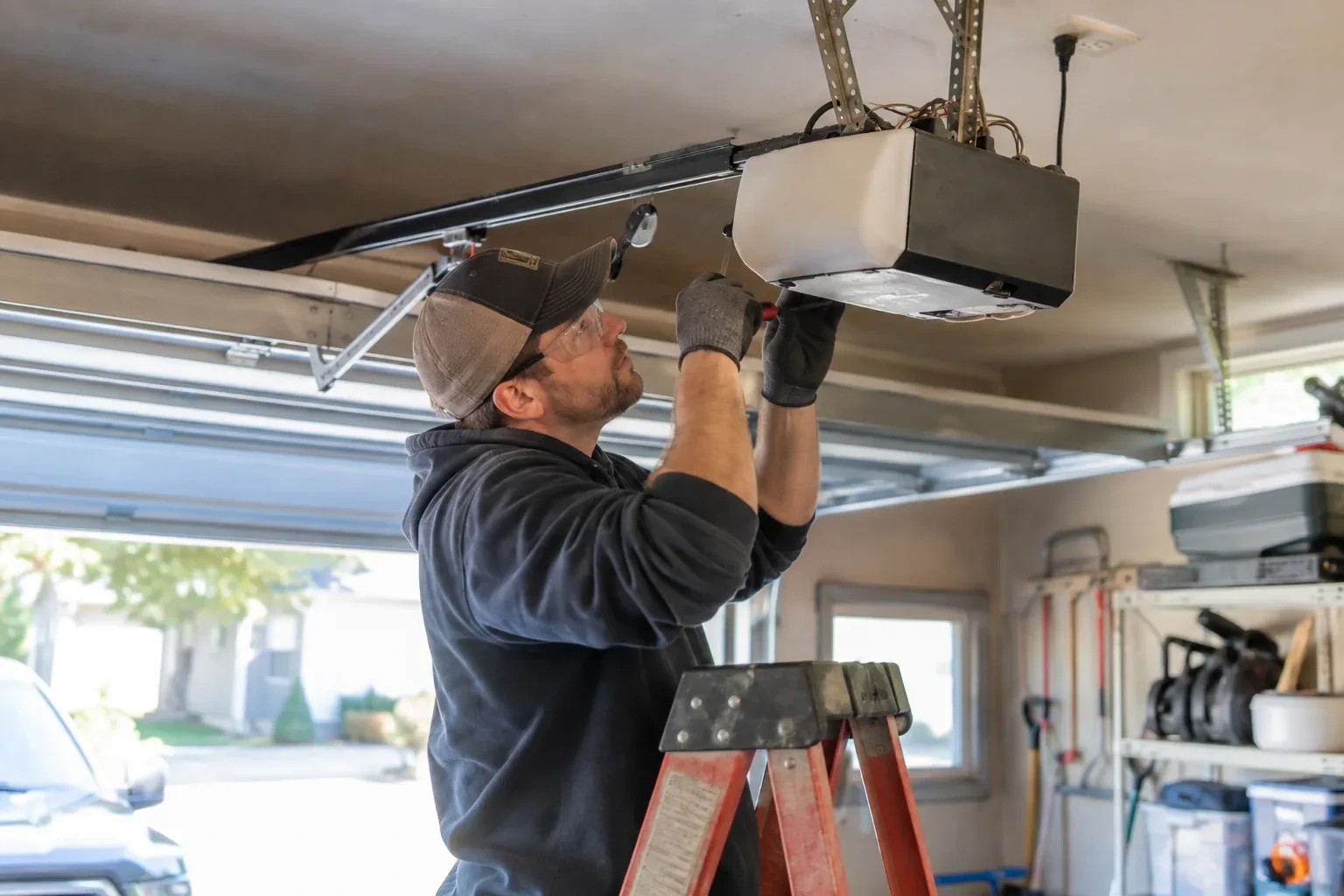
The visit runs in a settled order. On the phone you describe the lock, the door, whether an opener is fitted and whether the lock is currently jammed. On site the opener is disconnected, the door is closed by hand and checked for level. The lock is then examined piece by piece: handle, spindle, centre mechanism, bars, guides, cylinder, fasteners and the track slots. Adjustments are made first, worn parts replaced second, and the lock is cycled from both sides with the door shut. Finally the opener is reconnected, the door runs full cycles, and you are shown how the lock and the opener are meant to be used together.
How the visit goesThe T-shaped handle on the outside turns a full quarter, exactly as it has for twenty years, but nothing moves behind it. No clunk from the bars, no click at the tracks. The handle has stopped talking to the lock.
Garage Door Manual Lock Repair
How the visit goes
Which lock the door actually has
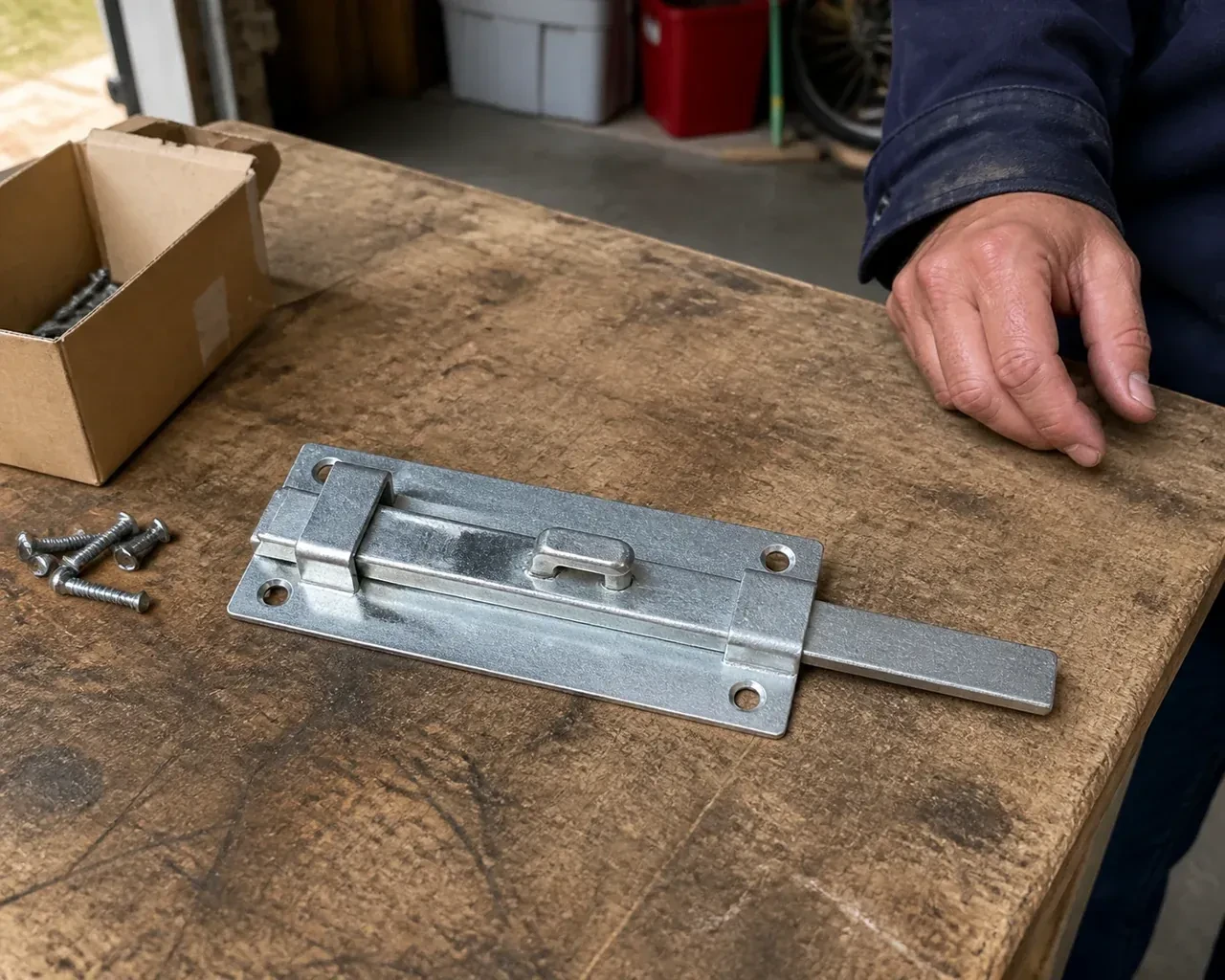
Garage doors carry a few different locks and the first job is to name the one in front of the technician. An inside slide bolt is a short bar on the door's edge that shoots through a slot in the vertical track; some are snap latches that lock on their own when the door closes. An outside keyed T-handle or L-handle works a centre mechanism that throws a bar into each track, or on some models pulls a cable to release a spring latch at each side. Some doors have a keyed cylinder on the side that operates the slide bolt from outside. Each has its own parts and failure points, so naming it correctly sets up everything that follows.
Freeing and renewing the bars and guides
Bars that have stiffened are worked loose with penetrating oil and then cleaned back to bare metal, while guides packed with rust are removed, cleaned or replaced with new ones fixed into sound material. A bar that has kinked is replaced rather than straightened, since spring steel that has been bent once takes a set and binds forever after; the new bar is cut to suit the door's width so it reaches through the track with a comfortable margin and retracts fully clear. Both bars are set to the same throw so the door locks evenly on both sides. A light film of silicone on the bars, not grease, finishes the job.
Locking the door when the power is out
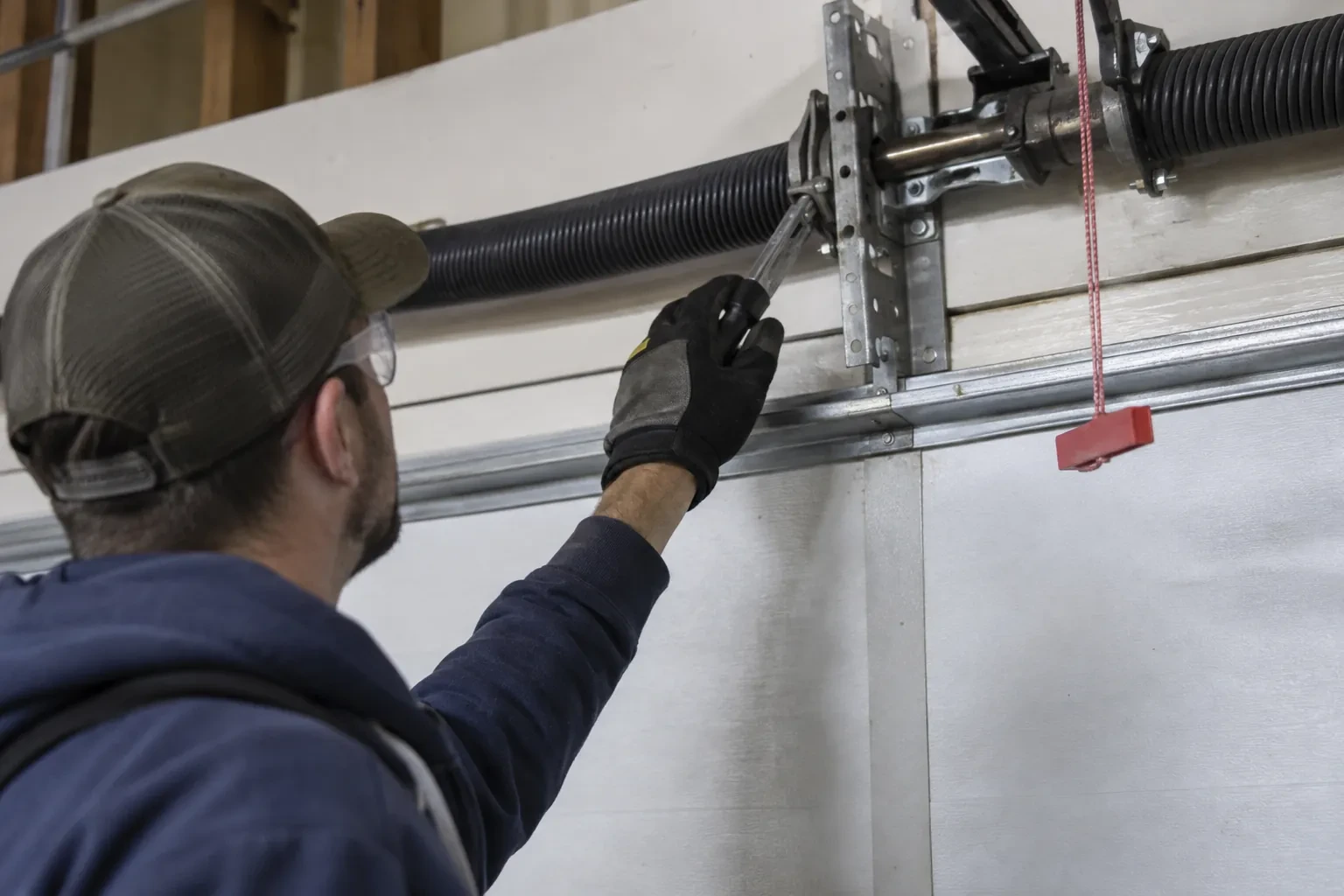
The manual lock is now your plan for a dark evening. The sequence is simple: with the door closed, pull the opener's release cord so the trolley disconnects, then throw the slide bolt or turn the T-handle to lock. In the morning, or when the power returns, reverse it exactly: unlock first, confirm both bars are clear of the track, then re-engage the opener as its manual describes, usually by running it once so the trolley picks up the arm. The technician walks through this with you at the door, and it is worth practising once so the order is second nature before the storm that makes it matter.
Garage Door Manual Lock Repair
In the van
Spring-steel lock bars
Lock bar guides
Inside slide bolt or snap latch
Key blanks and rekeying pins
Centre lock body and return spring
Garage Door Manual Lock Repair
What affects the quote
Door thickness and insulation
Insulated and thicker doors take longer spindles, longer through-bolts and sometimes a sleeve through the foam. Matching those parts to the door affects the parts list.
Access along the door edges
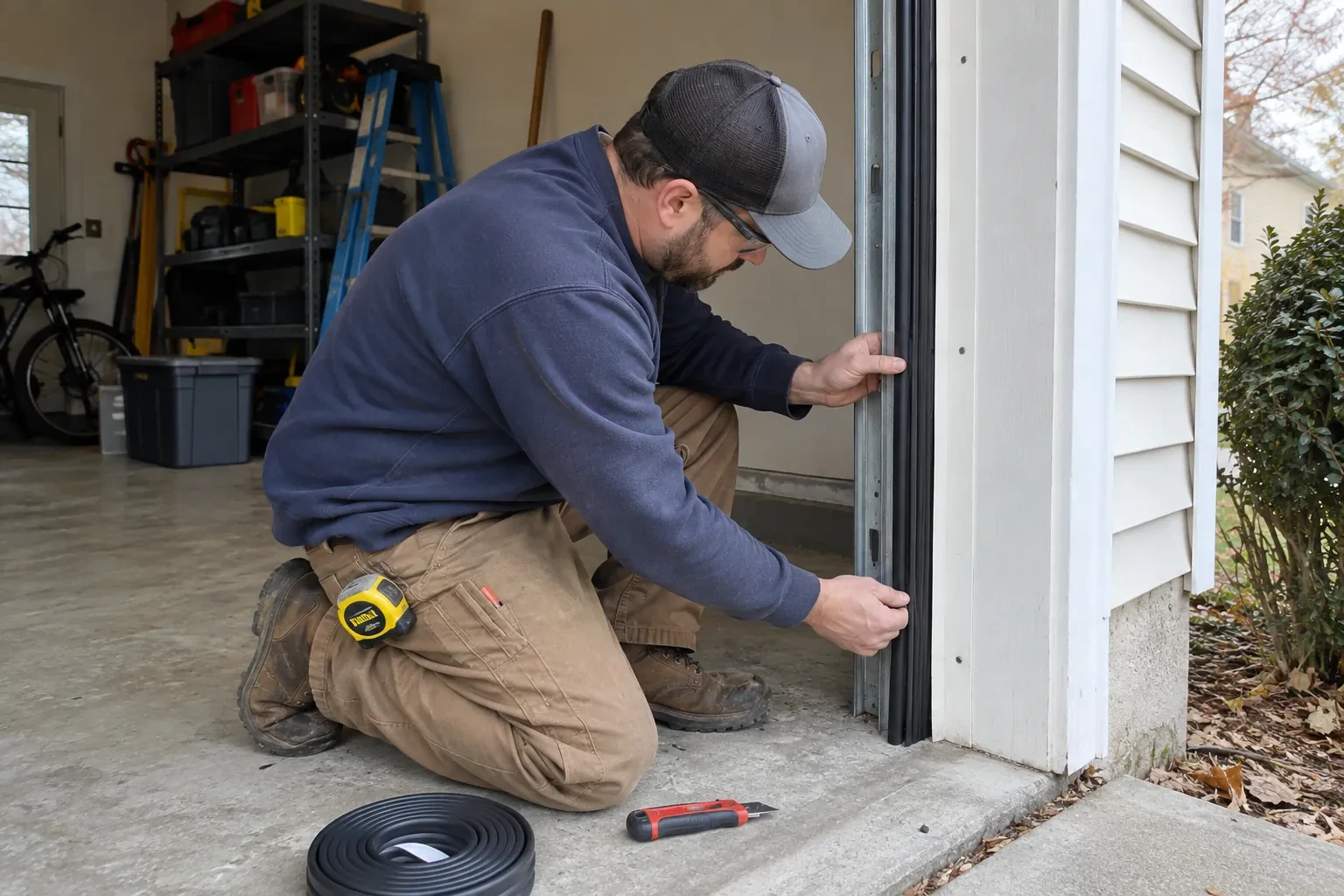
Shelving, bikes or storage against the vertical tracks and door edges slow the work at the guides and slots. Clearing a metre either side beforehand shortens the visit.
Corrosion and seized hardware
Screws rusted solid, a cylinder seized in its handle or bars welded into their guides take time to free or cut out, and corroded parts are replaced rather than reused.
What to have ready
- Are the lock bars bent, rusty or hanging loose?
- Does the key go in and turn, or is it stiff or spinning freely?
- Do you have a key for the lock, and how many keys would you like?
Garage Door Manual Lock Repair: questions
QuestionsMy key will not turn in the cold. What is happening?
Meltwater has run down the door face into the keyway during a thaw and frozen overnight, or cold has stiffened old lubricant inside the cylinder. Lock de-icer or gentle warmth frees it; hot water is avoided because it refreezes and can crack cold metal. Afterwards the cylinder is dried and given a dry graphite or PTFE lubricant that sheds moisture instead of trapping it.
The wood around my lock is soft. Can it still be repaired?
Yes. The decayed wood is cut back to sound material and a hardwood block or a steel backing plate is let in behind the handle and along the stile where the bar guides sit. The handle, mechanism and guides are then fixed to that new material with through-bolts rather than screws into soft grain, so the lock turns without rocking and the bars hold their line.
Why does the inside knob spin without doing anything?
The knob is meant to grip the square spindle with a set screw, and that screw has loosened or the spindle's flat has worn so the knob no longer bites. Sometimes the spindle itself has sheared inside the door. The technician tightens a fresh set screw onto a proper flat or fits a new spindle of the correct length, and the knob and outside handle move as one again.
Related services
- Garage Door Tune-UpHalfway up, the door shudders.
- Off-Track Garage Door ResetYou tapped the door with the bumper while backing in, barely a nudge, and now the bottom corner has swung inward.
- Garage Door Panel ReplacementFrom outside, the horizontal groove between two sections now steps sideways by a centimetre.