Repairs · Toronto
Garage Door Bottom Seal Replacement
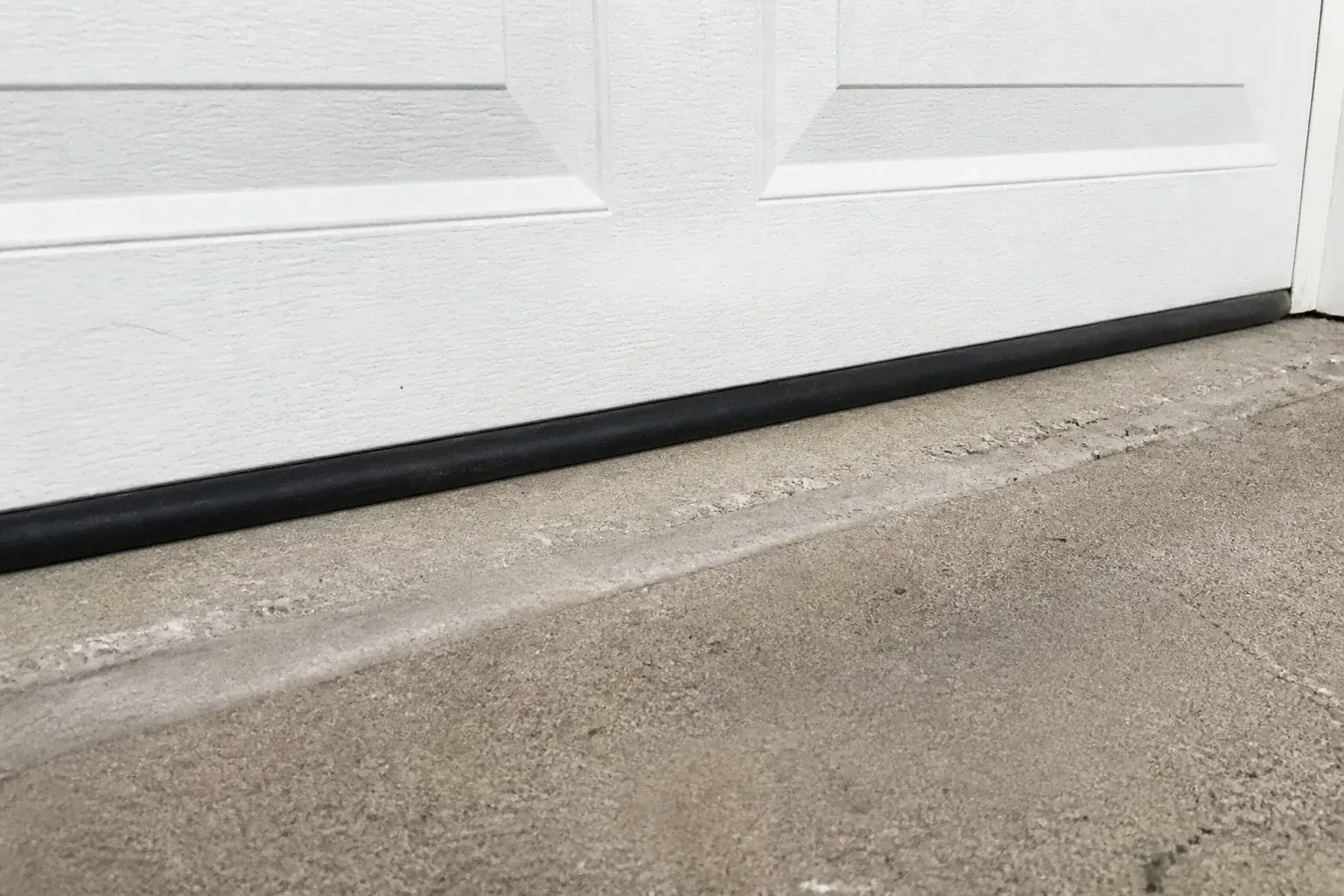
The gap under the door is a finger wide at one end and nothing at the other.
In plain words
The bottom seal is one part of a weather line that runs all the way round the door. Vinyl-finned stop moulding seals the jambs and header, the section joints have their own tongue-and-groove or shiplap seals, and a threshold seal glued to the floor can meet the bottom strip where a slab slopes the wrong way. Bottom seal replacement addresses the piece that takes the most punishment, and while the technician is there the rest of the perimeter is looked over. Where the side or top strips are torn or shrunk, doing them in the same visit gives a garage sealed on all four edges rather than three.
How the visit goesWith the door closed and the lights off, a bright line of daylight runs along the floor from one side to the other. Leaves and grit have blown in under it and gathered in a neat drift against the back wall.
Garage Door Bottom Seal Replacement
How the visit goes
The floor and the threshold
The concrete under the door is half of the seal. The technician looks at the slope of the driveway toward the opening, the condition of the slab edge where the seal lands, cracks, spalled patches and any step between the slab and the apron. A garage floor that has heaved or settled over the decades is common, and the shape it has taken decides whether a standard seal, a taller bulb profile or a threshold seal glued to the floor gives the most even contact. Where water arrives from outside, the path it takes is noted so the seal and any threshold are placed to meet it.
Taking the old seal out
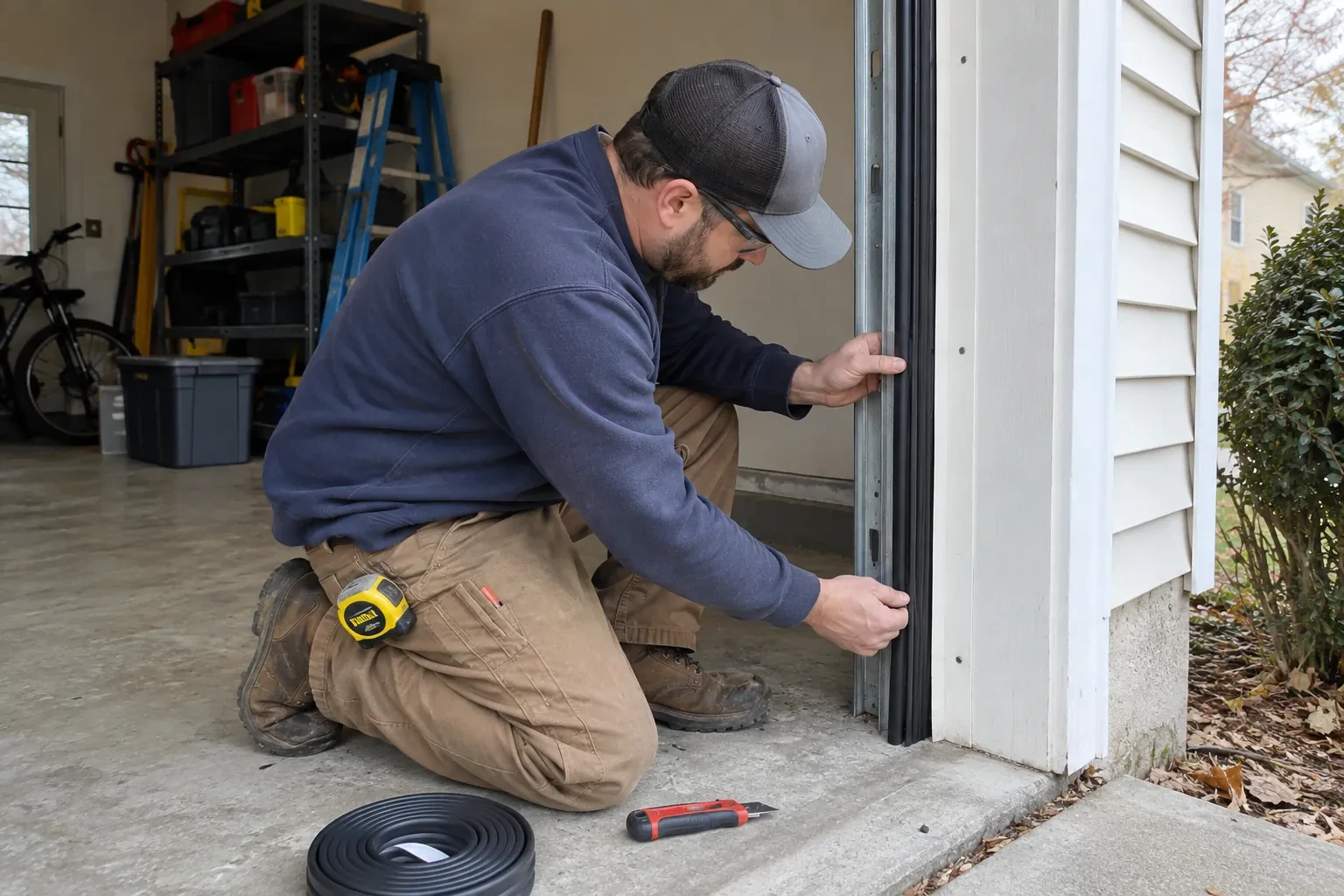
With the door secured, the ends of the old strip are freed from any caps or folds and the seal is drawn out of its channels from one end. A supple seal slides; a hardened one is coaxed with a flat blade and a little silicone, or cut into short lengths and removed a piece at a time. Old nails come out of a wood rail with a claw. The channels are then cleaned of grit, rust flakes, salt crust and any remnants of the previous strip with a wire brush and a scraper, because a clean channel is what lets the new seal feed through without tearing.
What to look for each season
Once a season, close the door, turn off the lights and look along the floor. You are checking for a line of daylight, a corner where the seal hovers, an end that has slipped from its channel, and cracks along the fold of the bulb. Run a hand along the strip for stiff or brittle patches. Then watch the door close under power once and notice how it lands. A change in any of these is worth a call while the fix is a seal or an adjustment rather than a torn strip dragged through a winter. The check takes less time than reading this paragraph.
Garage Door Bottom Seal Replacement
In the van
Nail-on vinyl strip for wood doors
Bulb or U-style bottom seal
Wire brush and scraper
T-style bottom seal
Straightedge and tape measure
Garage Door Bottom Seal Replacement
What affects the quote
Number of doors
Two single doors are two seals, two inspections and two opener resets. The travel is shared, so doing both in one visit costs less than two separate calls.
Threshold seal added
Where a floor threshold is recommended, its length, its type, whether rubber or aluminum-backed, the adhesive and the floor preparation before it is laid appear as a line of their own.
Seal profile and size
T-style, bead and bulb profiles in different widths and heights sit at different points on the parts list, and the retainer on your door decides which one is used.
What to have ready
- Is the gap even across the door, or worse at one end or in the middle?
- Is the old seal hard and cracked, torn, hanging loose, or missing?
- Is the door a single or a double, and roughly how wide?
Garage Door Bottom Seal Replacement: questions
QuestionsWhy is the gap much bigger at one corner?
Two causes are common. The door may be hanging out of level because a lift cable has stretched, a drum has crept on its shaft or spring tension is uneven, which drops one corner. Or the slab may have settled or heaved at that end so the floor falls away. The technician checks both before choosing a seal, since a level door and the right seal height together close a wedge-shaped gap.
Should I choose the tallest seal available?
Not as a rule. The seal should fill the measured gap with a little compression to spare. A profile far taller than the gap gets squashed flat, wears at the fold, bows the bottom section and can make the opener reverse. Where the floor dips at one end, a taller bulb is the right call for that door; where the floor is flat, a standard height lasts longer. Measuring first is what settles it.
What happens during the visit?
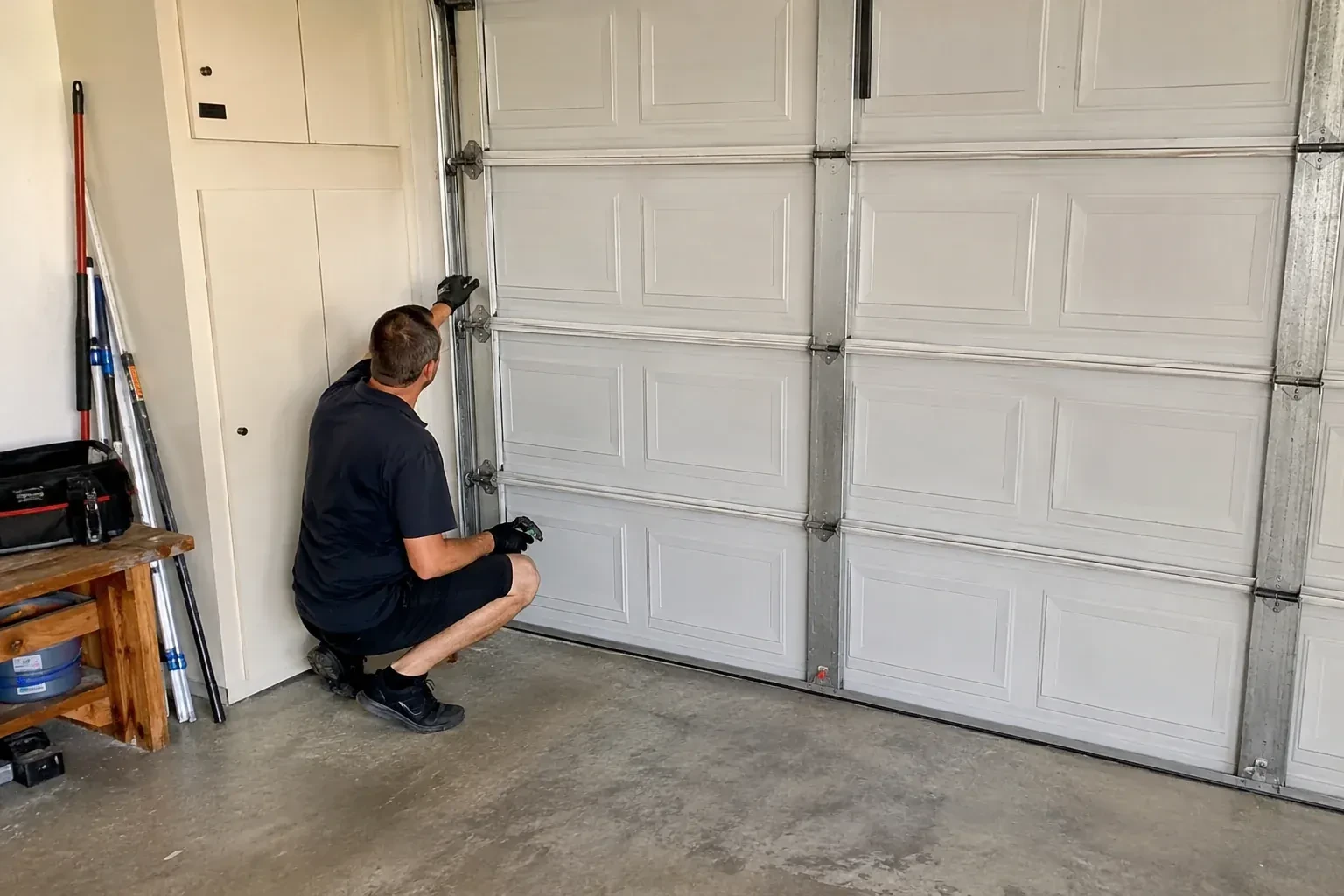
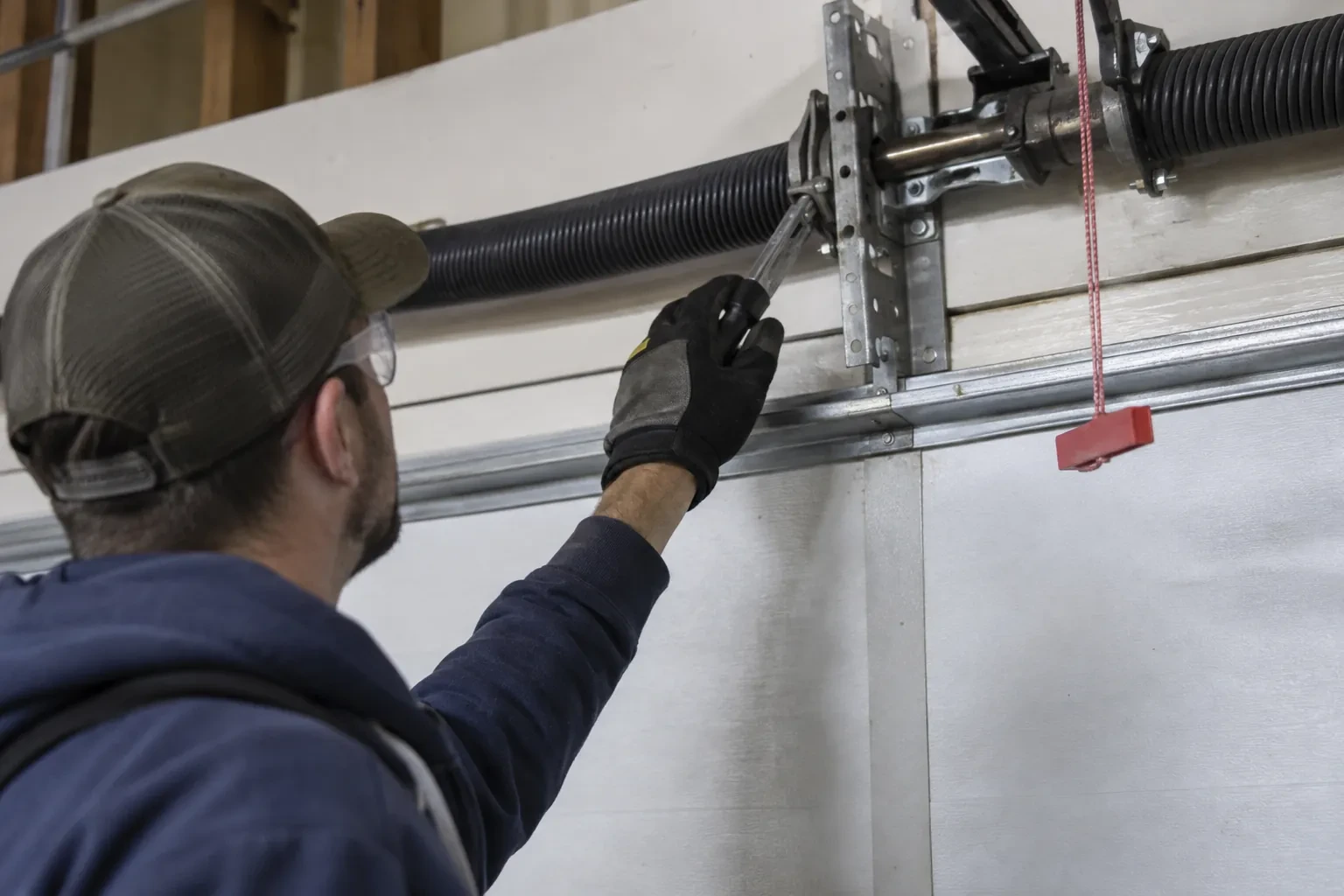
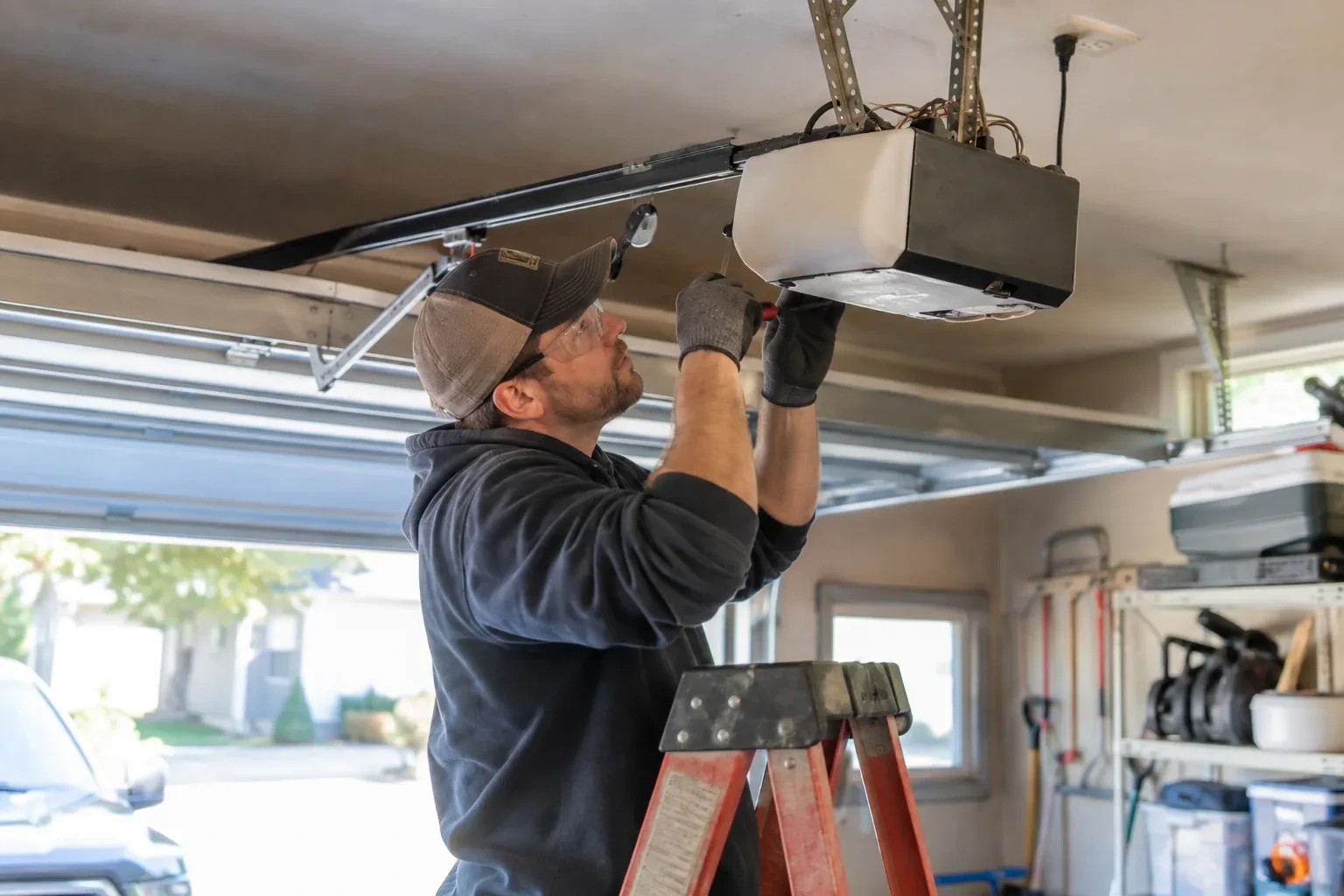
The technician maps the gap with the door closed, checks the door is level and the bottom section straight, and identifies the retainer and profile. The opener is disconnected and the door clamped at working height. The old seal comes out, the channels are cleaned, a new seal is cut and fed in, and any retainer work is done. The door is then closed under power, the opener reset, and the reversing and photo-eye tests run.
Related services
- Garage Door Tune-UpHalfway up, the door shudders.
- Off-Track Garage Door ResetYou tapped the door with the bumper while backing in, barely a nudge, and now the bottom corner has swung inward.
- Garage Door Panel ReplacementFrom outside, the horizontal groove between two sections now steps sideways by a centimetre.