Garage Doors in Toronto, OntarioSafe for everyonewho walks under it.
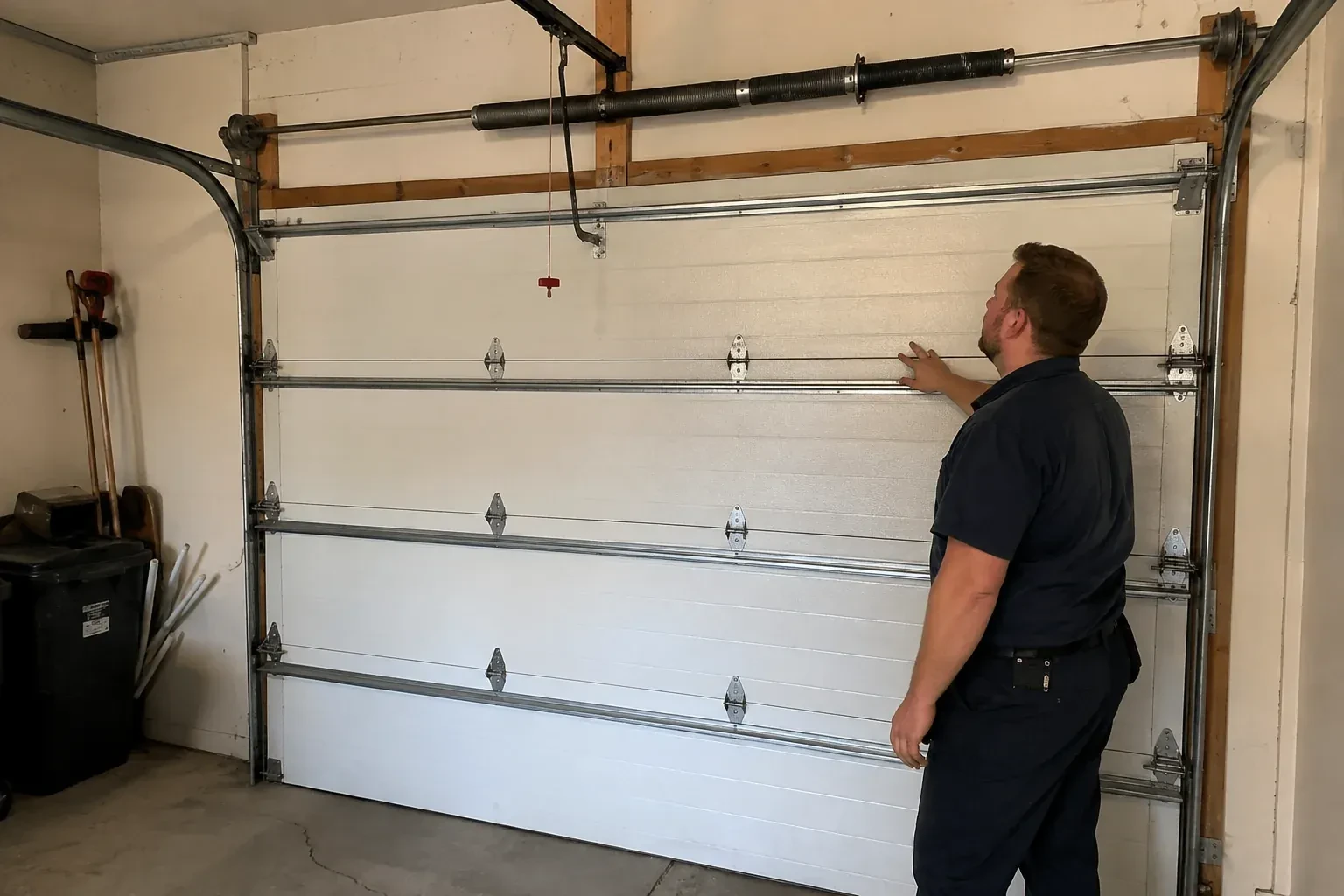
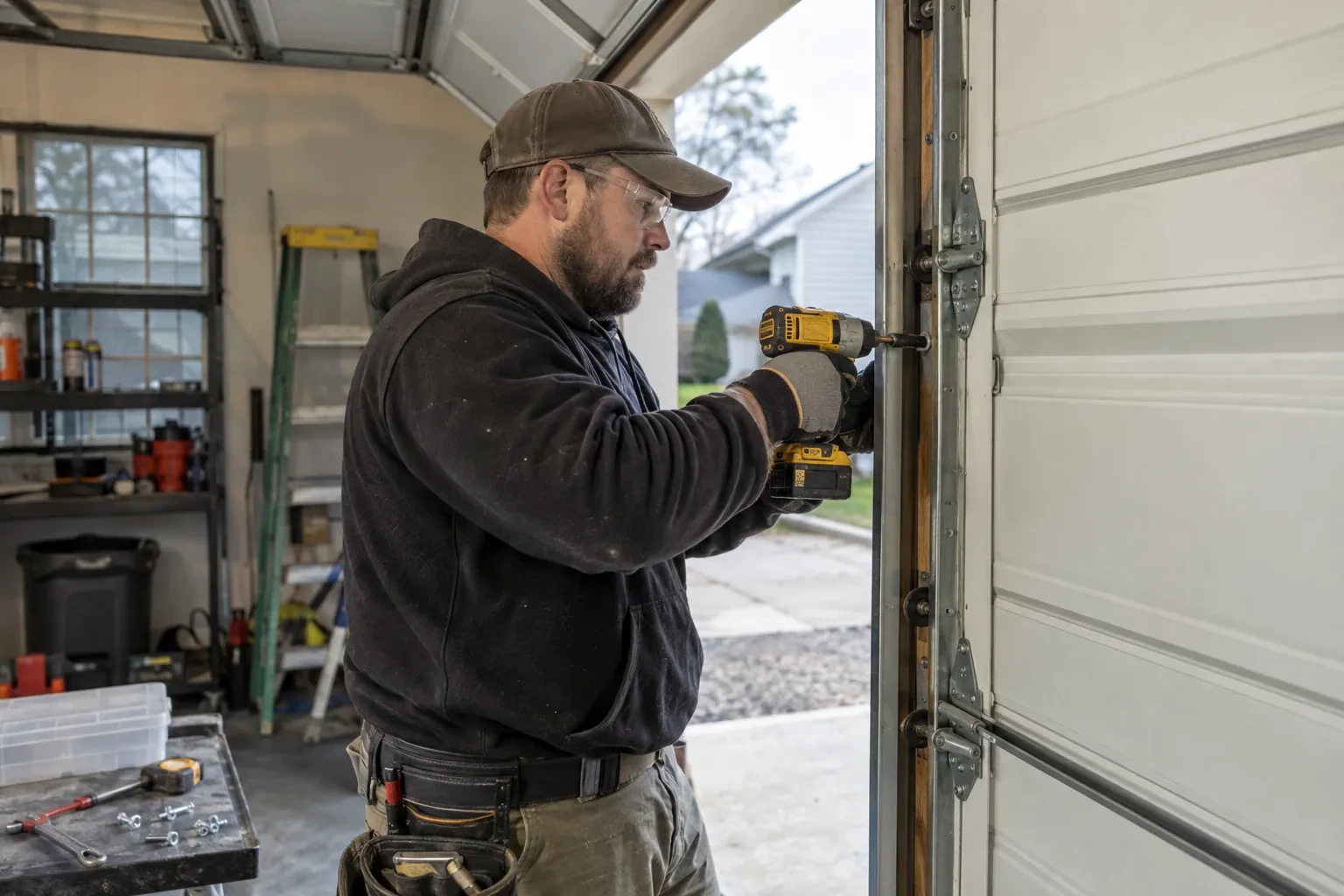
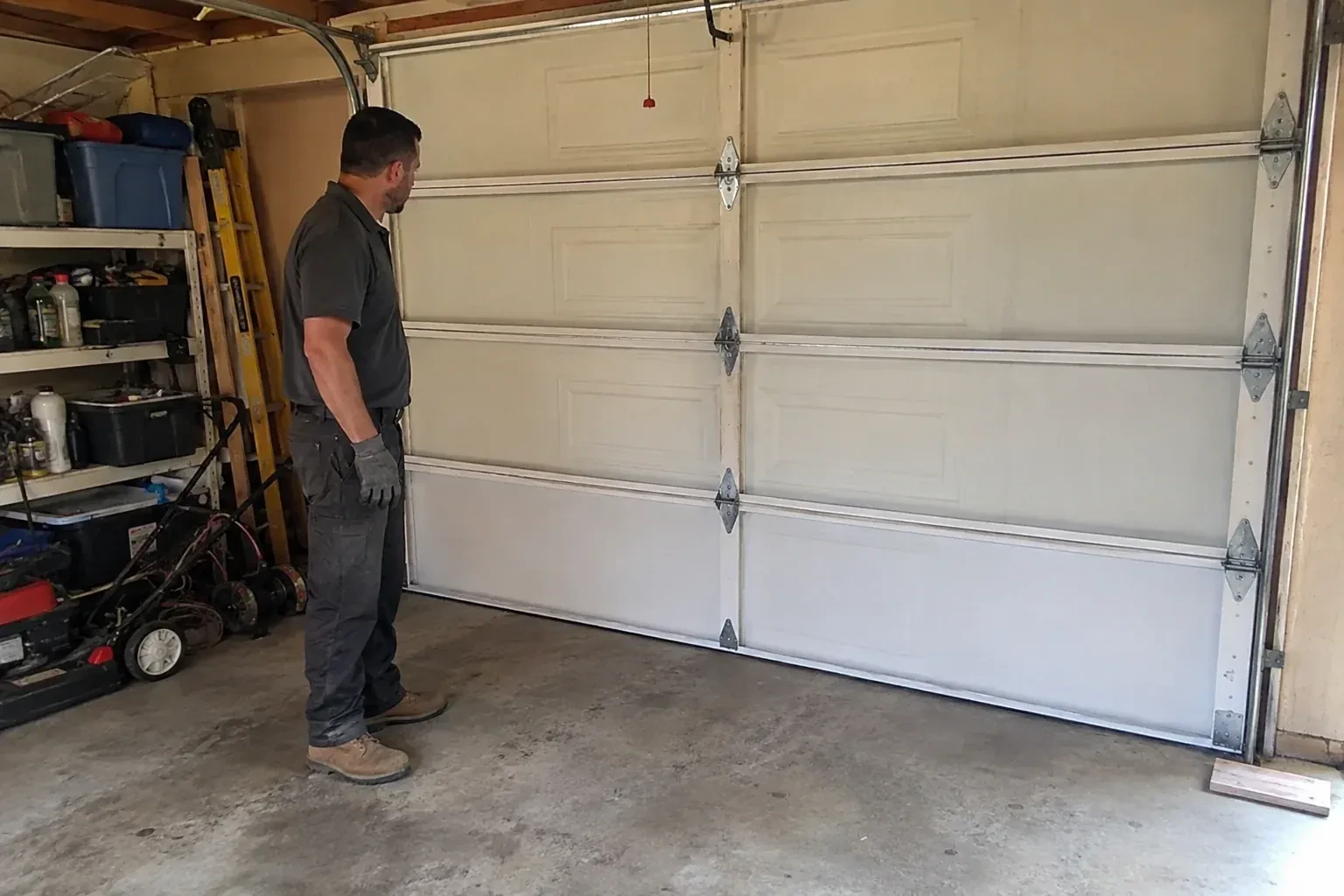
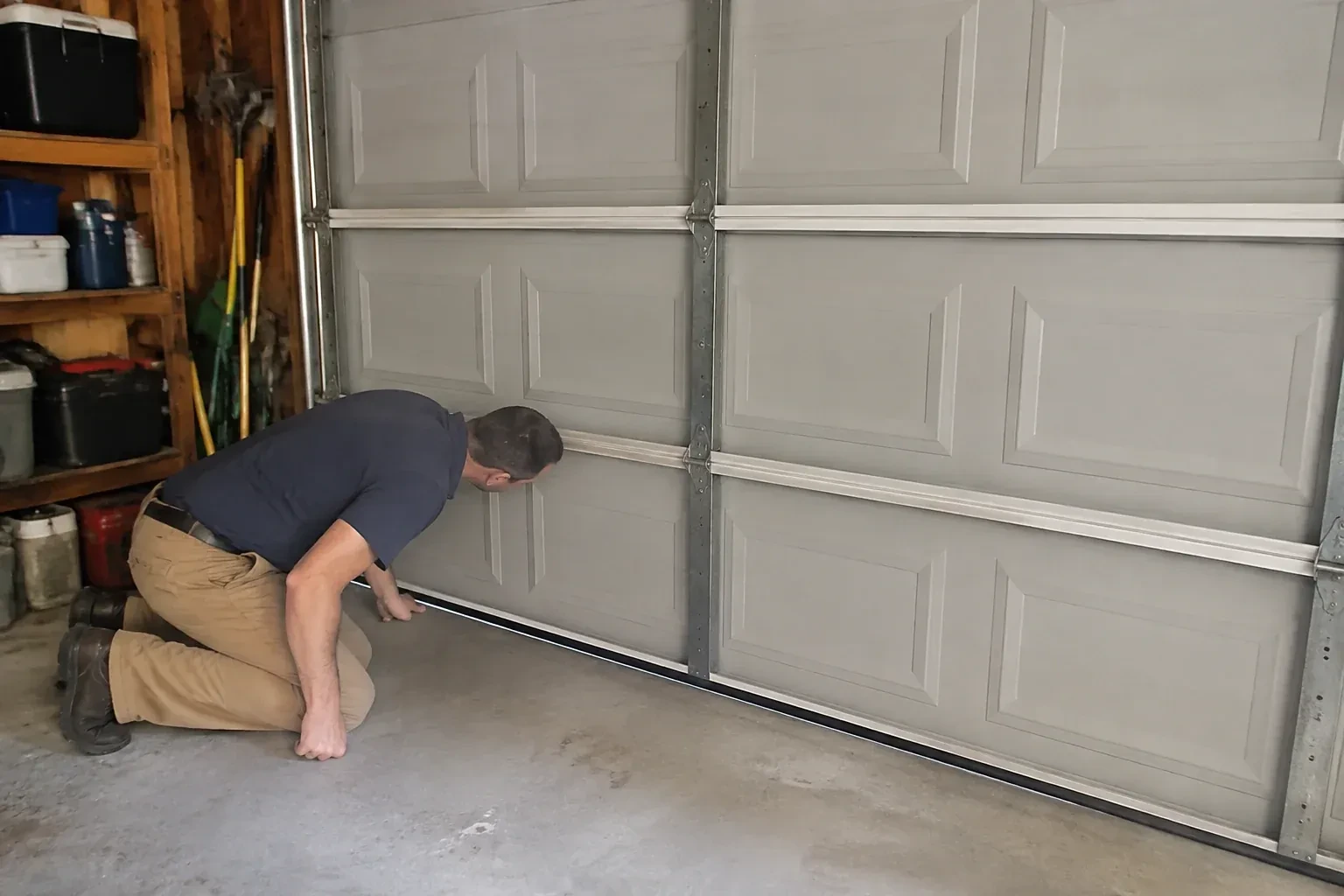
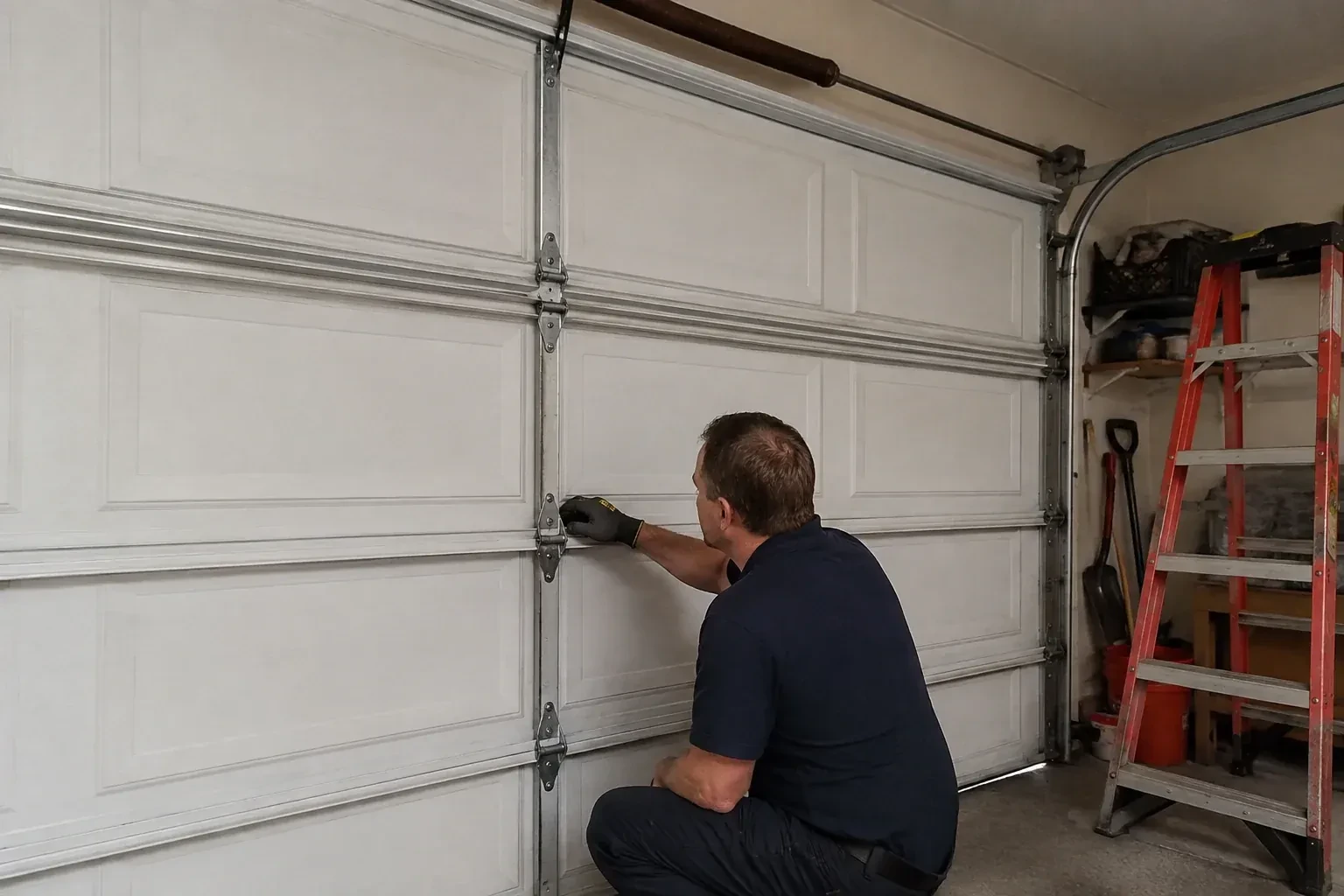
Photo-eyes, the auto-reverse force setting and a balanced door are what stand between a closing door and a child, a pet or a bicycle wheel. On every visit in Toronto we test all three, correct whatever has drifted, and explain how you can check them yourself between visits.
Photo-eyes, the auto-reverse force setting and a balanced door are what stand between a closing door and a child, a pet or a bicycle wheel. On every visit in Toronto we test all three, correct whatever has drifted, and explain how you can check them yourself between visits.
Open, close, repeat, for years.
Winter is when garage doors in Toronto fail most, so we prepare for it. Cold-rated lubricants, bottom seals that stay soft in the frost, spring tension checked before the freeze and opener force adjusted for a stiffer door. A door serviced in the autumn is a door that opens in January.
Homeowners in Toronto often meet us on a bad morning, with the car inside and the door refusing to move. Our first job is to lower the temperature: explain what has happened, secure the door so it is safe to be around, and set out what can be done. From there the repair goes step by step, with you kept informed and the door running again by the end.
19years in business
24/7open every day
Questions welcome. Ask why a spring broke, what a roller does, whether the opener is worth keeping. Clear answers are part of the service.
Leaving it as we found it. Vehicles moved back, packaging removed, floor cleaned. The only change you notice is a door that runs properly.
Decisions made with the facts. We show you the wear, describe the choices and their consequences, and support whichever route you pick.
From a stuck door on a winter morning to a planned replacement before the house goes on the market, the services on this page cover what garage doors in Toronto typically need. Each one explains what is checked, how the work is done and what you can expect afterwards.
About 58% of homes in Toronto were built in 1980 or earlier, according to the 2021 Census.
Older homes
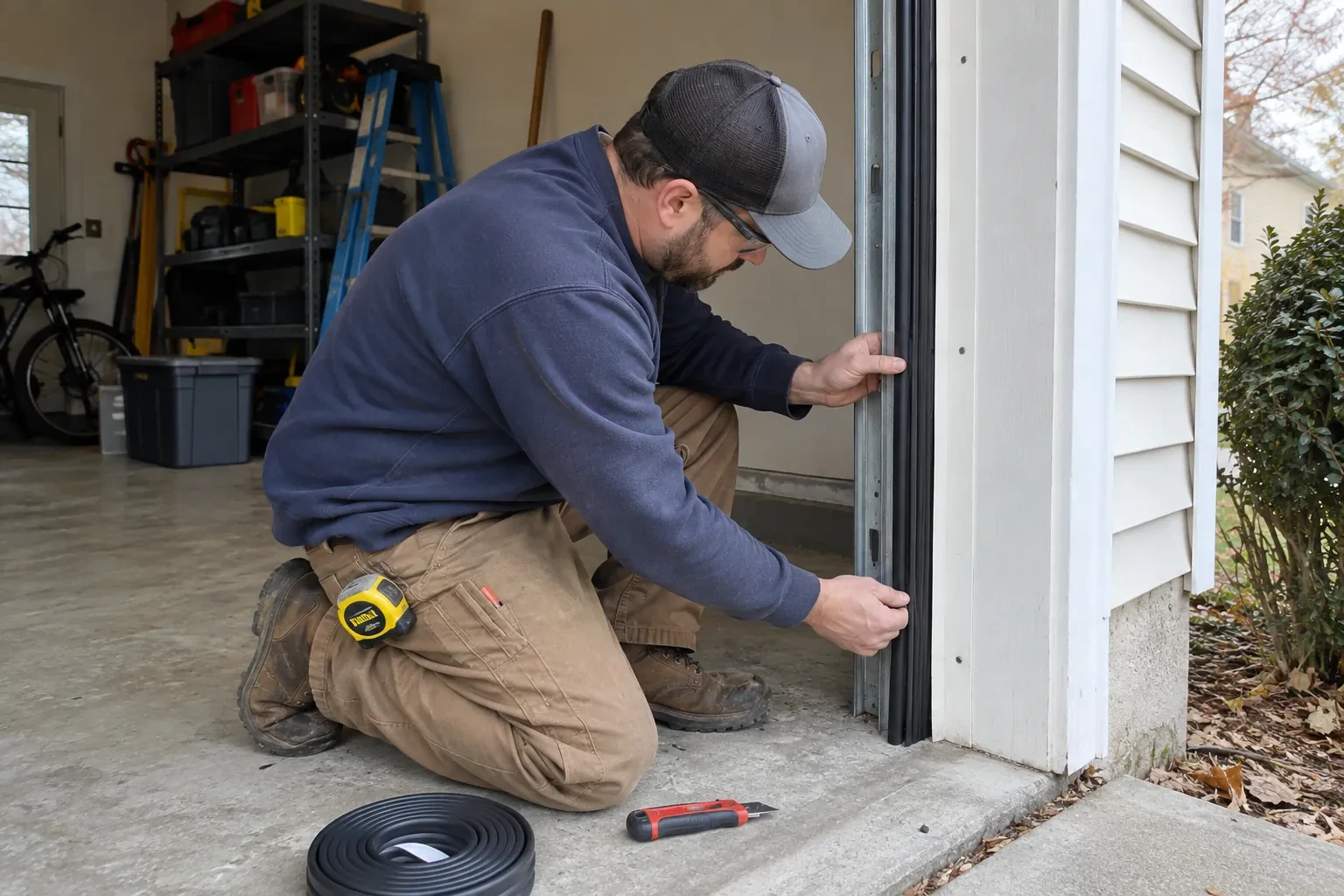
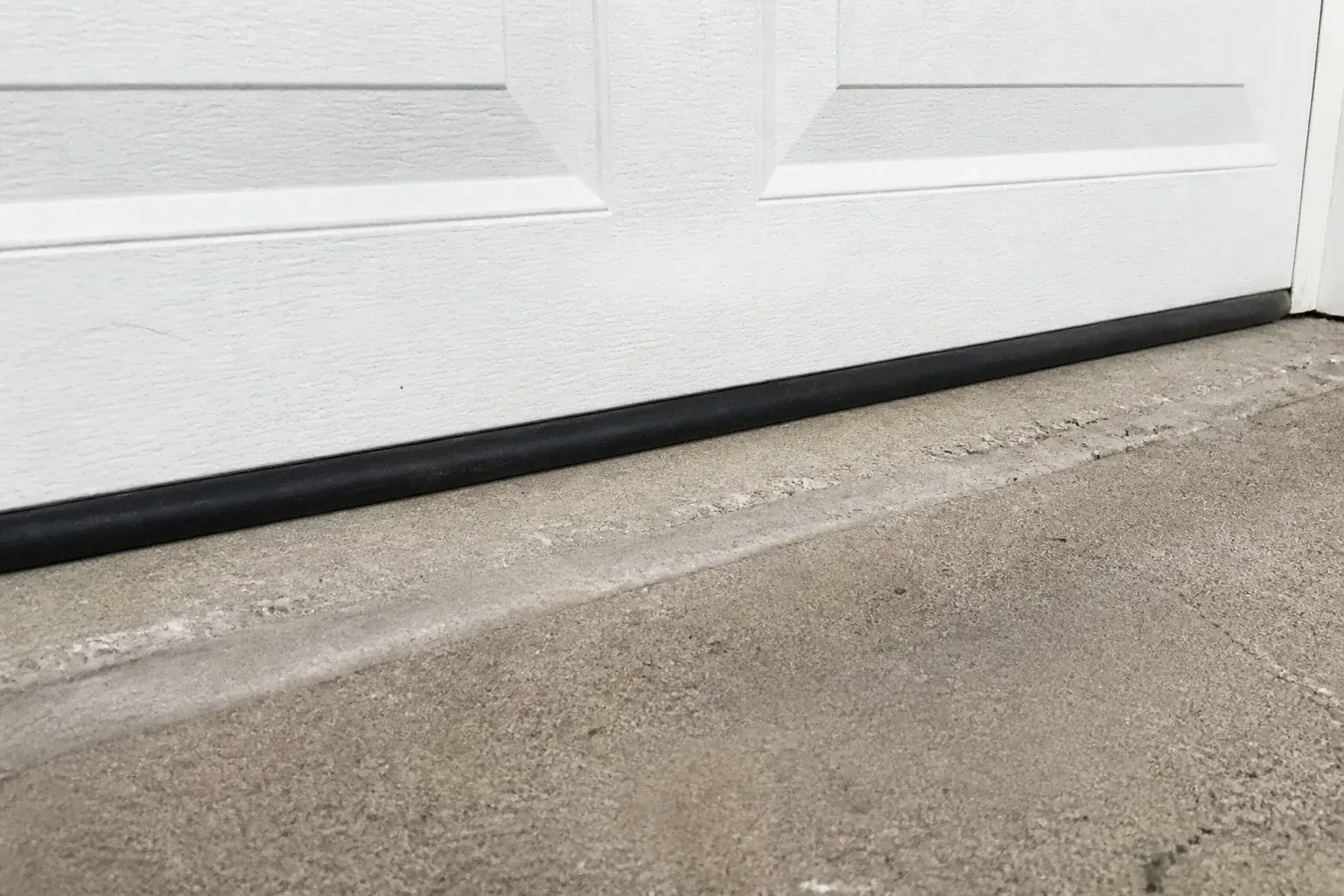
Decades of freeze and thaw work on the concrete apron in front of an older garage, and an uneven floor means the bottom seal meets a gap on one side. A thicker seal or an adjusted threshold closes it and keeps snow and cold air out.
Single-detached houses make up about 23% of homes in Toronto (2021 Census).
In denser housing the garage door is frequently the main entrance to the home and sits close to the living space, so a door that closes fully and locks properly matters for security. We check the closing force, the lock and the opener's stored codes on every visit.
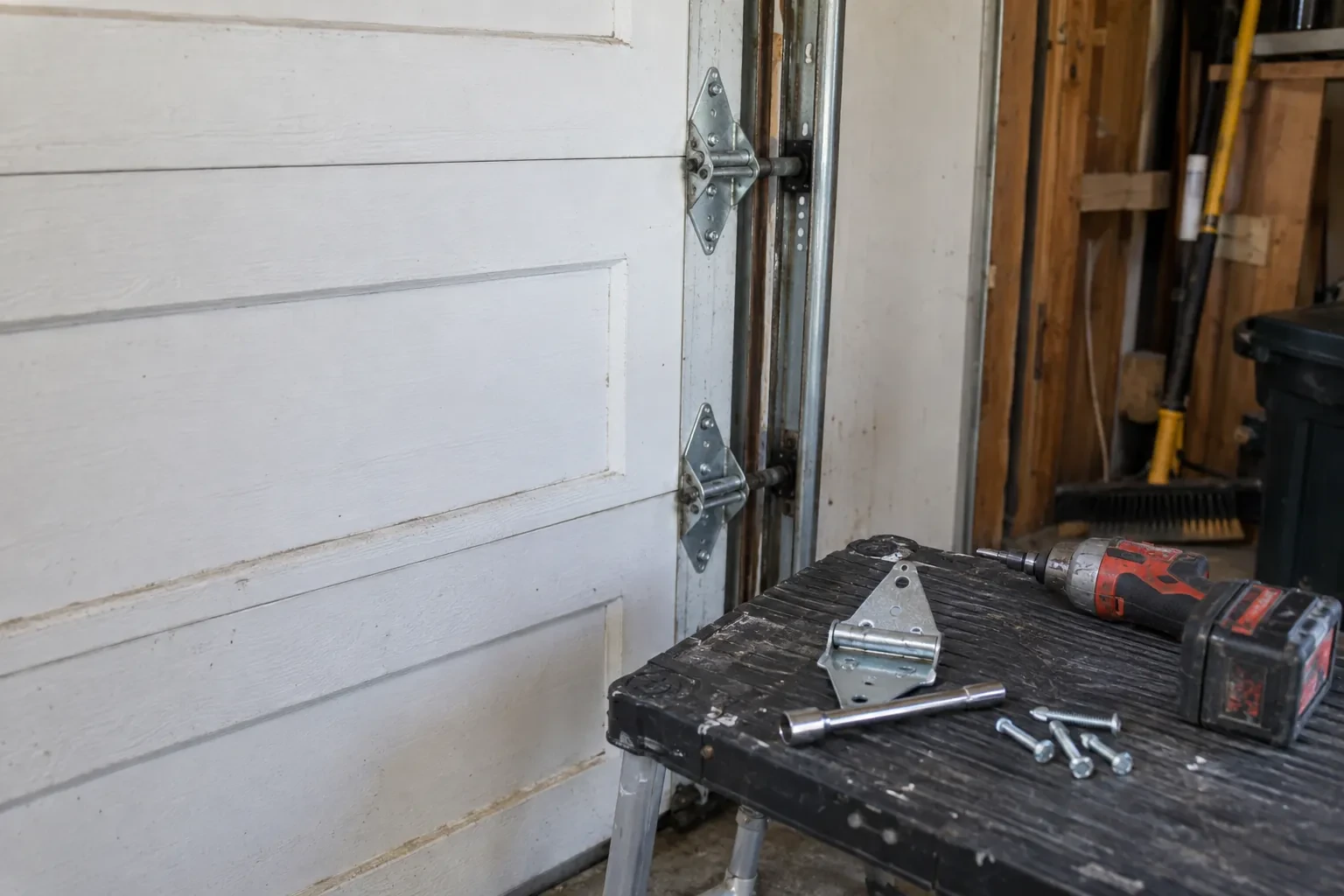
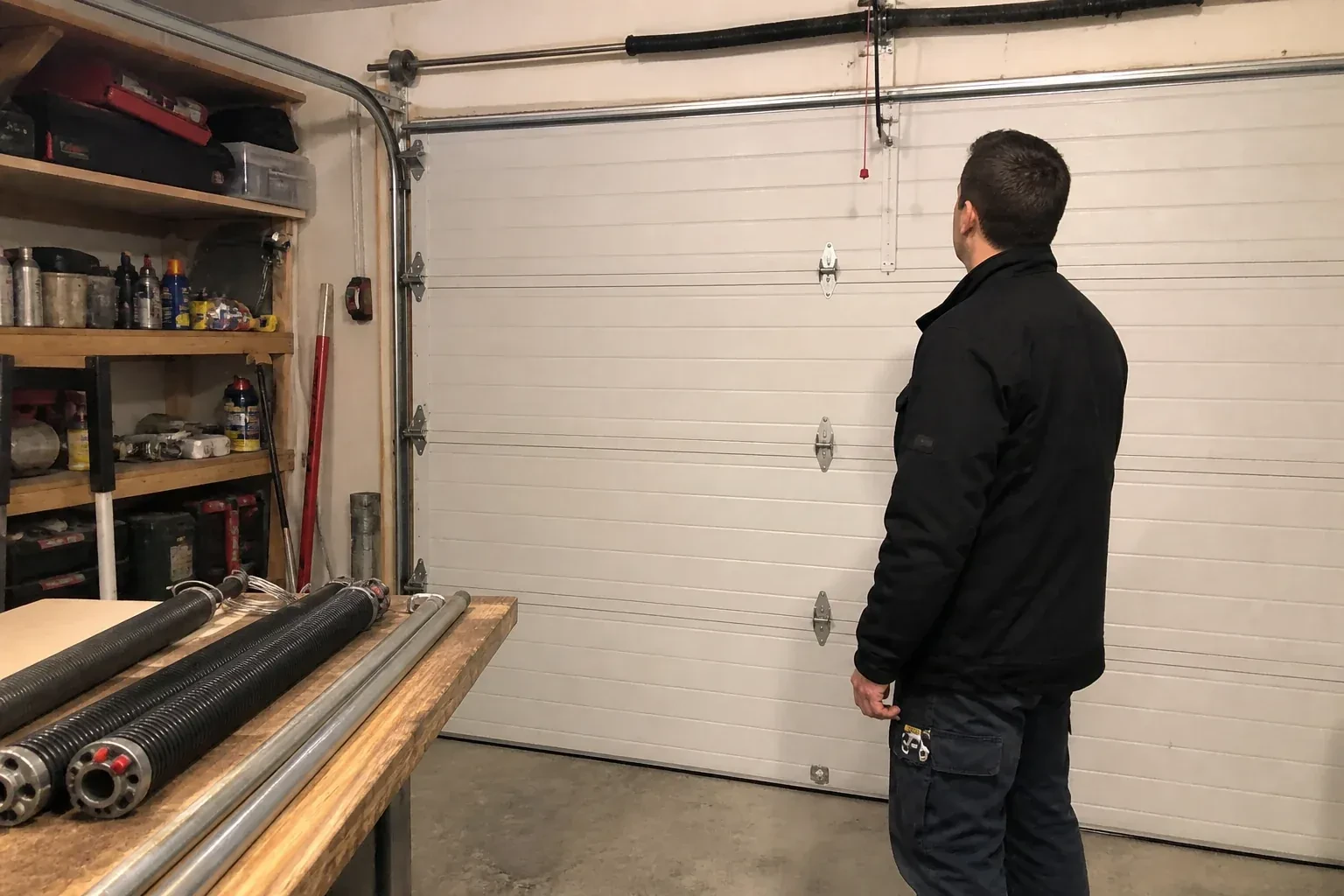
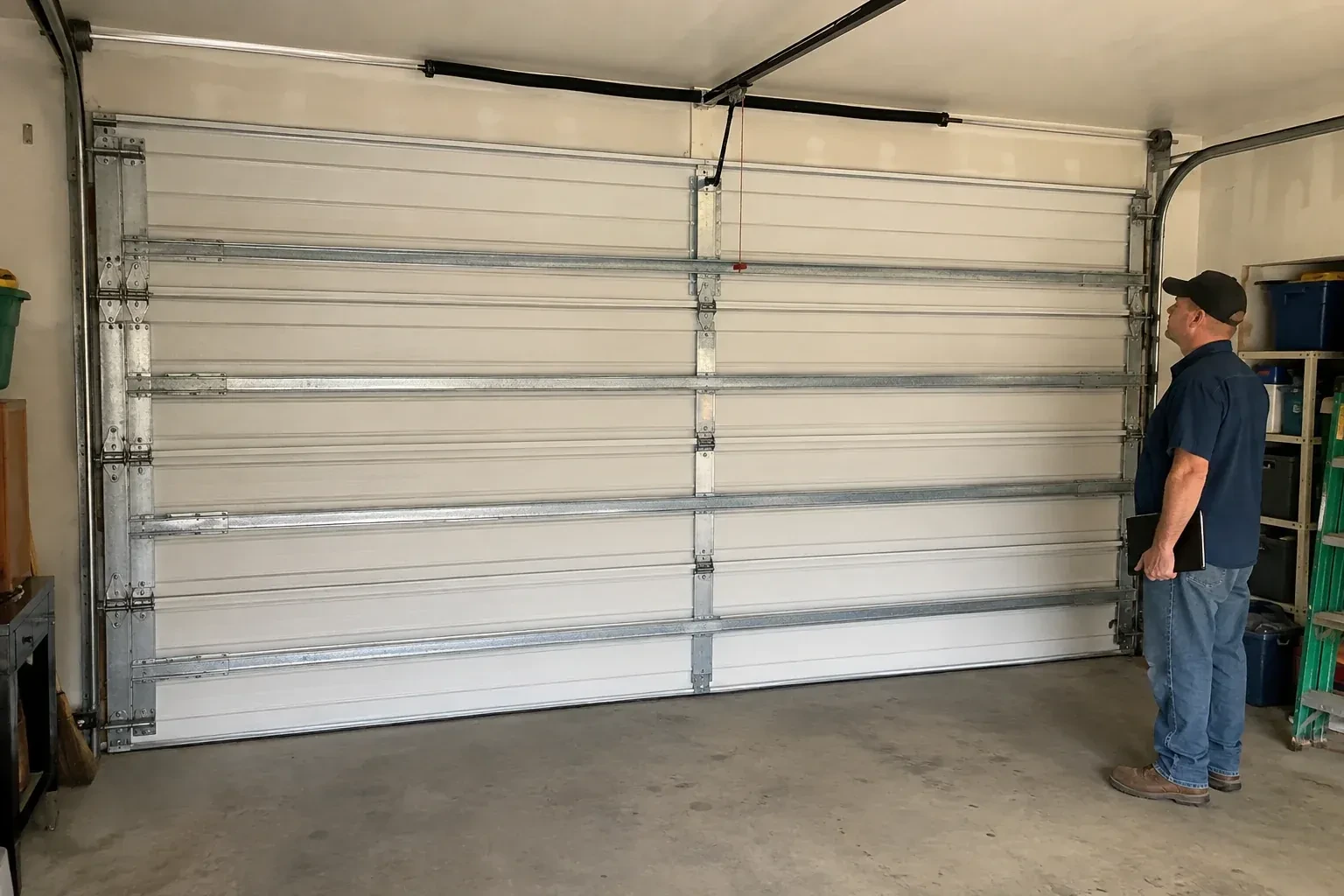
Cables fray at the bottom bracket, drums wear grooves, bearings dry out and springs lose their set. Each is a small part, and each can leave a heavy door hanging crooked. The hardware services replace them as a matched set.
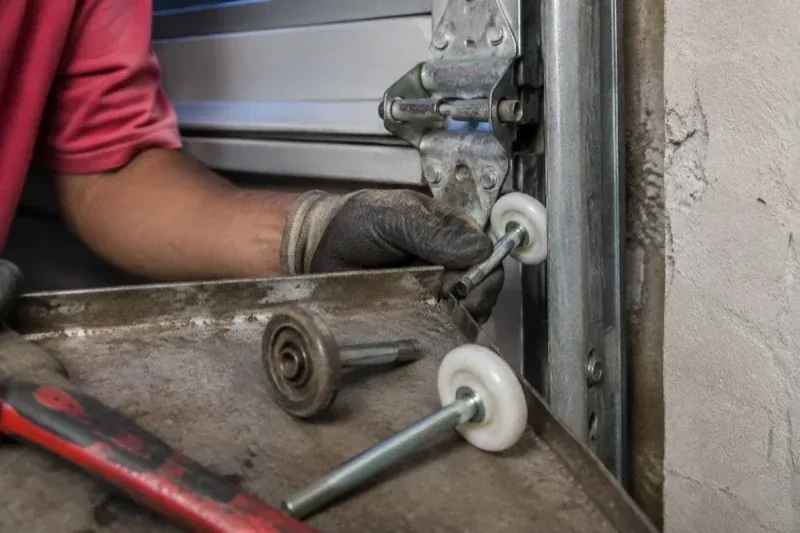
One of the little wheels along the edge of the door has a chunk missing, another sits crooked in its hinge, and there is a fine grey dust on the floor under the track where plastic has been wearing away.
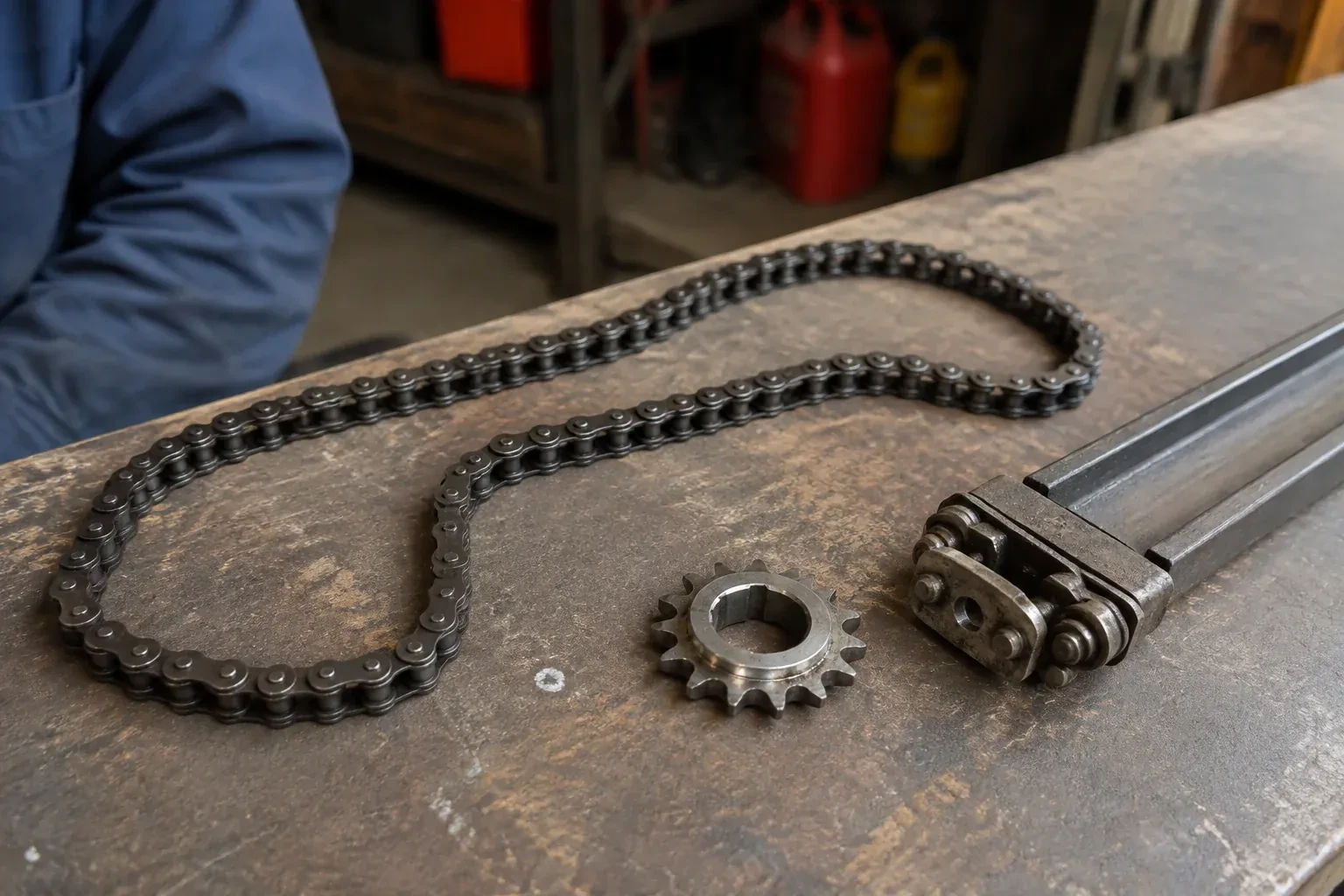
Press the button and the opener hums for a second, then quits. The trolley is jammed hard against a bolt at the very end of the rail near the motor and will not budge in either direction.
The door used to glide up with a soft hum. Now there is a sharp clack every second or so, and if you stand underneath you can see the belt sagging below the rail and slapping it on the way up.
During the ice storm the power was off for two days. You came home in the dark, found the door dead, and had to climb out of the car to pull the red cord in the cold.
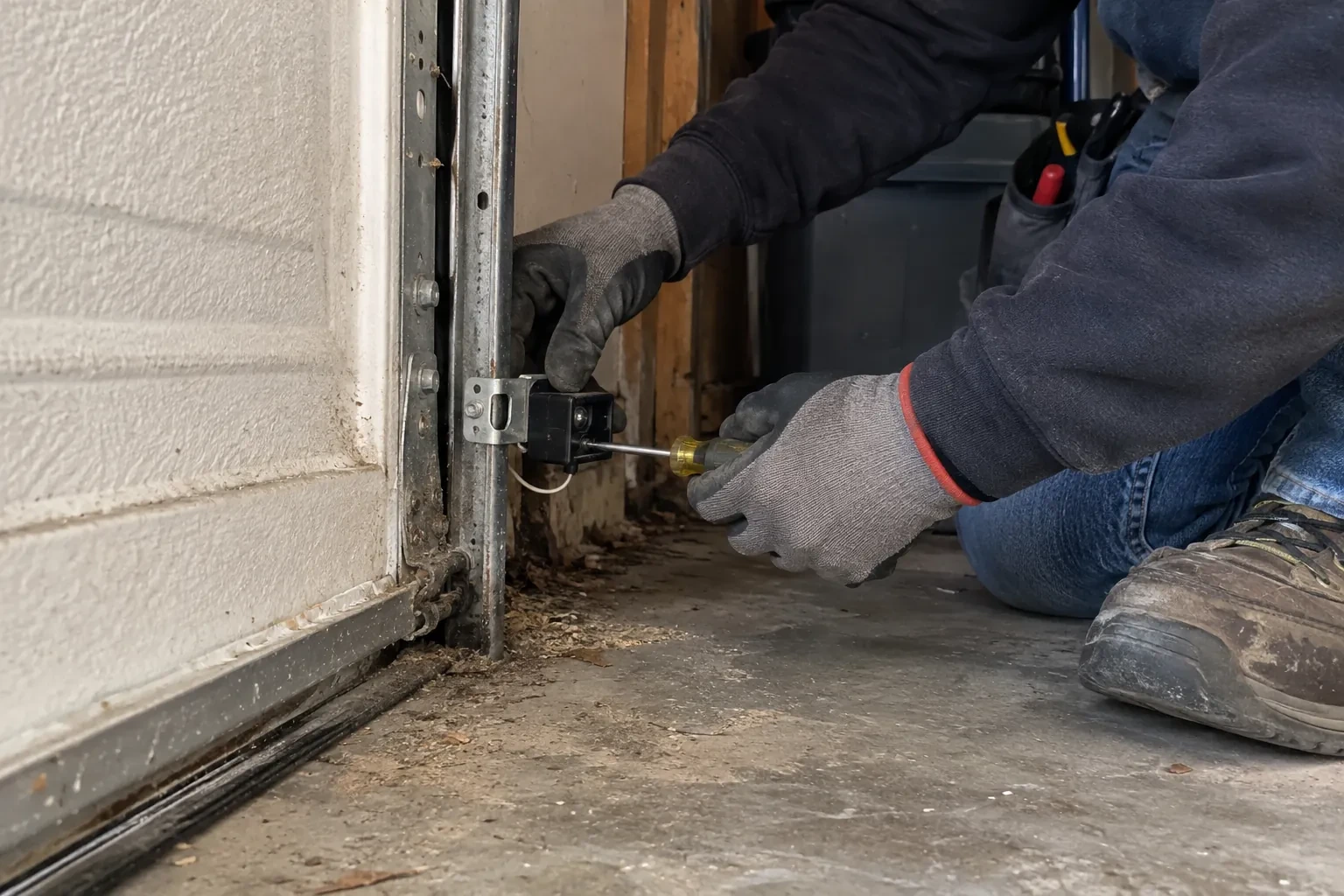
Since shelving went up along the garage wall, the door will not close and both sensor lights are dead. A screw or staple may have gone through the thin wire that runs from the opener to the sensors.
Your daughter gets home from school an hour before anyone else. She has lost two house keys this year, and the garage keypad code has been shared with half her class.
Your garage is detached and has no side door. The remote is dead, the keypad is dead, and the small round lock in the top panel is meant to be your way in.
WhyPhoto-eye sensor service brings back the invisible beam that runs across the bottom of your doorway and lets the opener close with confidence.
The house came with a controller already screwed to the garage ceiling and a sensor on the door, but the app insists the device belongs to another account.
WhyBy the end of the visit your phone shows the door's true state, updates within a few seconds of any movement, and keeps a history of every open and close with the time, and the user when the command came from a signed-in app or virtual key.
A recent wind event left one section slightly creased, a strut twisted, and several track fasteners loose.
WhyA carriage look can be created with several constructions, including embossed steel, insulated steel with composite overlays, or wood components intended for sectional-door use.
A metallic clatter now comes from inside the hood whenever the curtain coils.
WhyImpact damage often looks local but changes the path of the entire curtain.
Workshop equipment is moving in, and the present opener rail and door sections occupy the same overhead zone planned for lighting and clear working space.
WhyA vehicle lift and an overhead door can share one bay when their clear zones are designed together.
How a visit goes
Describe the property, the hardware and what has changed, and the visit starts from what you have seen.
01
Say what you noticed
A new noise, a hesitation, a gap at the bottom. Small observations point us to the right part before we even arrive.
02
Diagnosis you can follow
We show you what we find as we find it: the worn cable, the tired spring, the sensor out of line. No mystery about the cause.
03
Work done and shown
The repair is completed, the door tested through full travel, and the result demonstrated so you know exactly what changed.
An entrance. Not an afterthought.
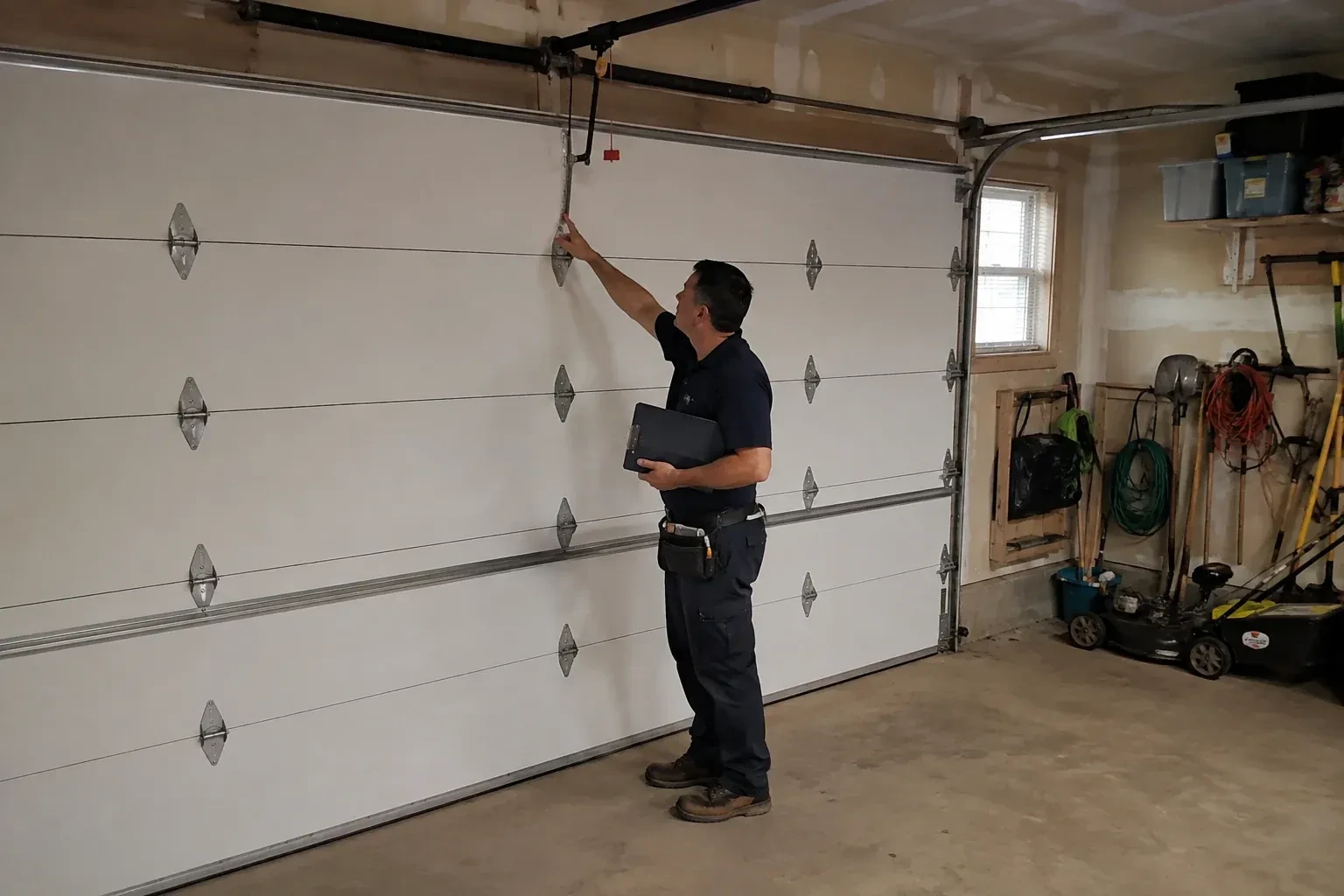
1/10Garage Door Safety Inspection
There is a new sound. Last week the door simply hummed up and down; now there is a bang at the top of travel and a scrape on the way back, and you have started standing well back while it moves.
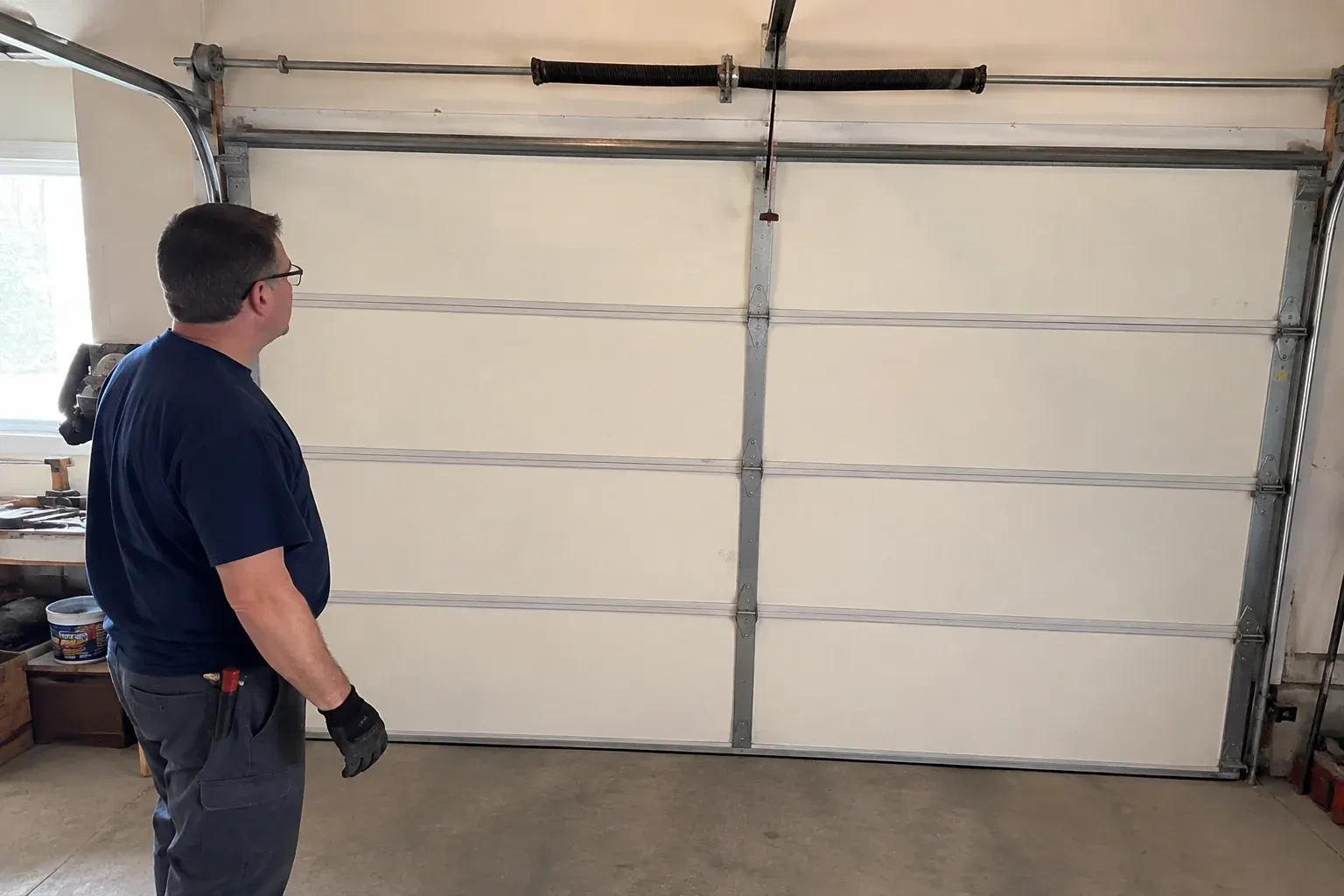
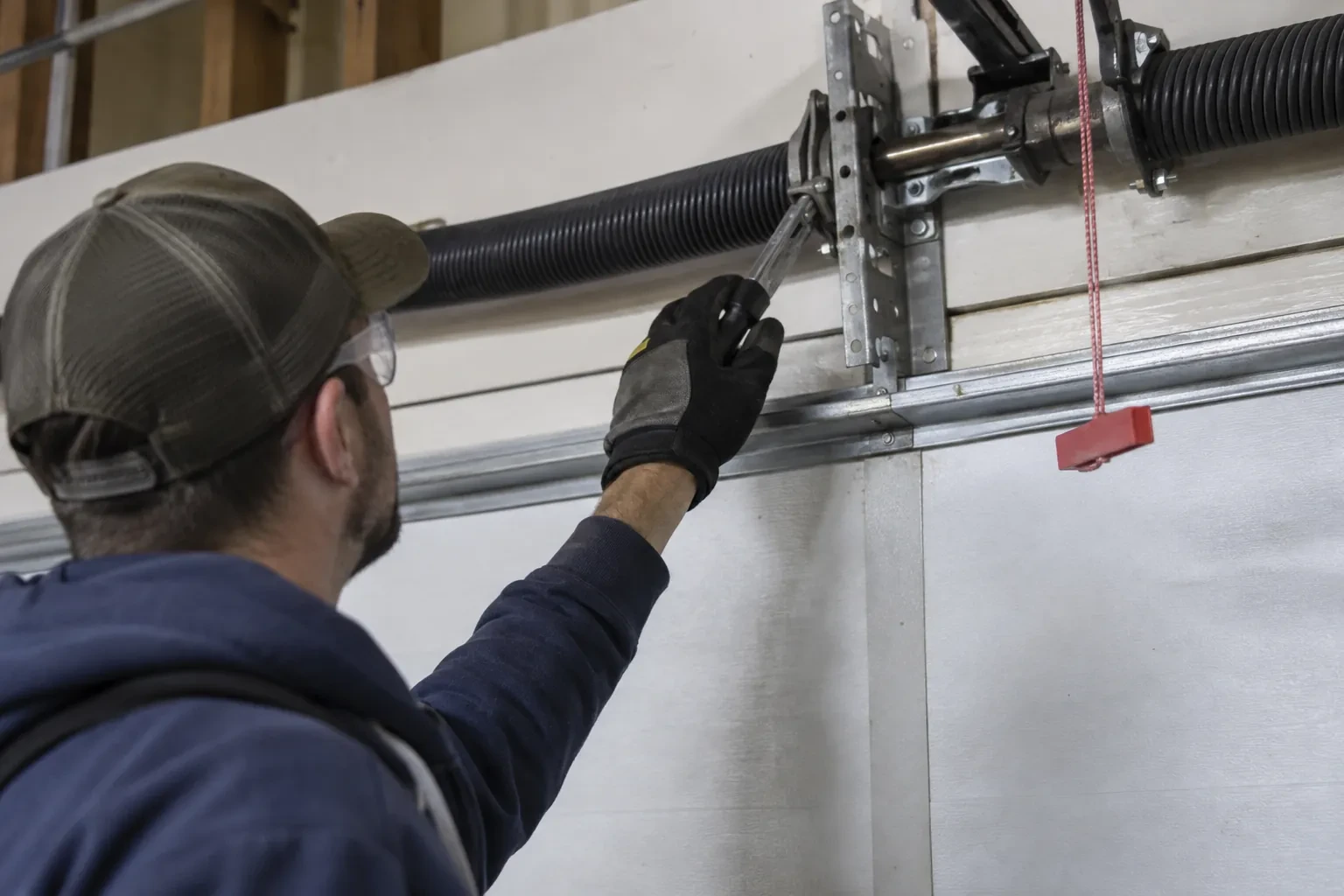
You pulled the red cord to open the door during a power cut and it barely moved. Lifting it took your whole weight, and when you let go it came down hard. It used to float up with one hand.
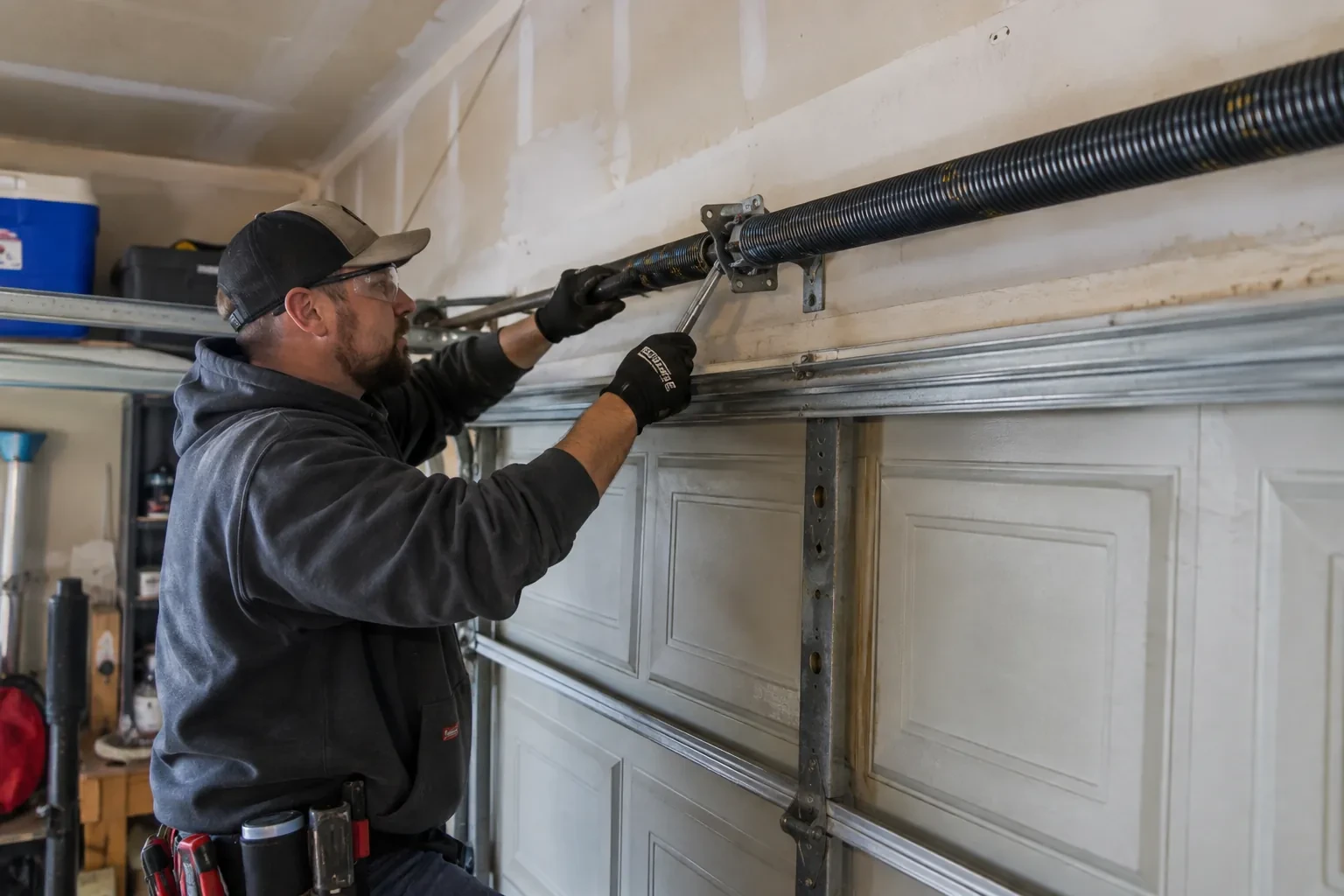
Someone replaced the springs a while back and the door has bounced at the top ever since. It slams open against the stops, then creeps down a few inches, and the opener trolley rattles because the door is pushing where it should be resting.
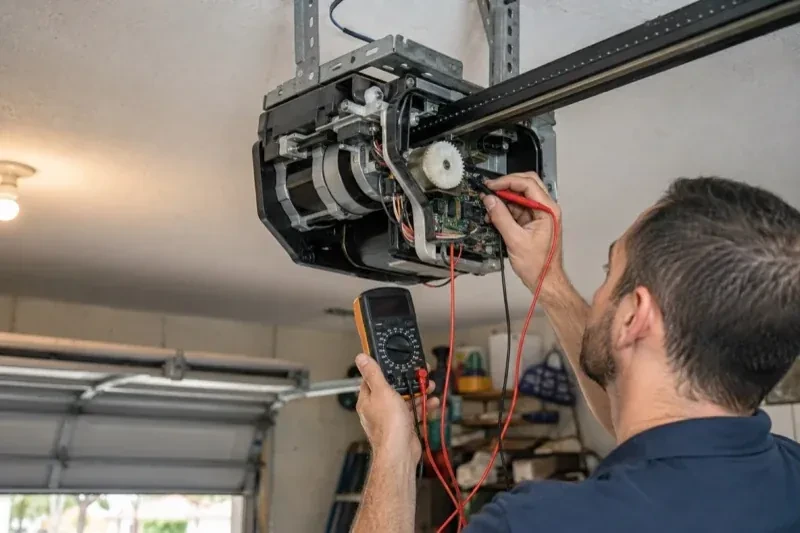
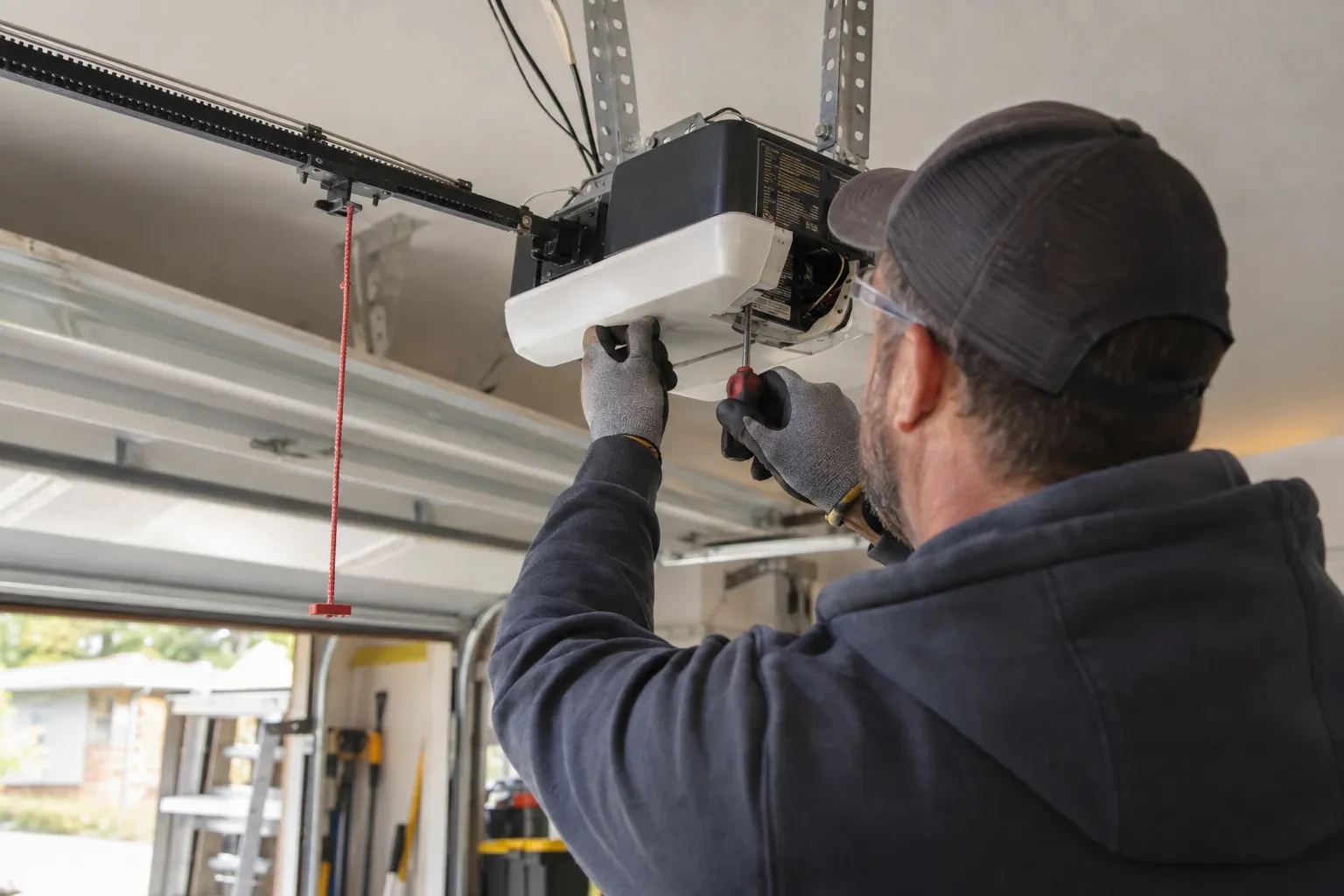
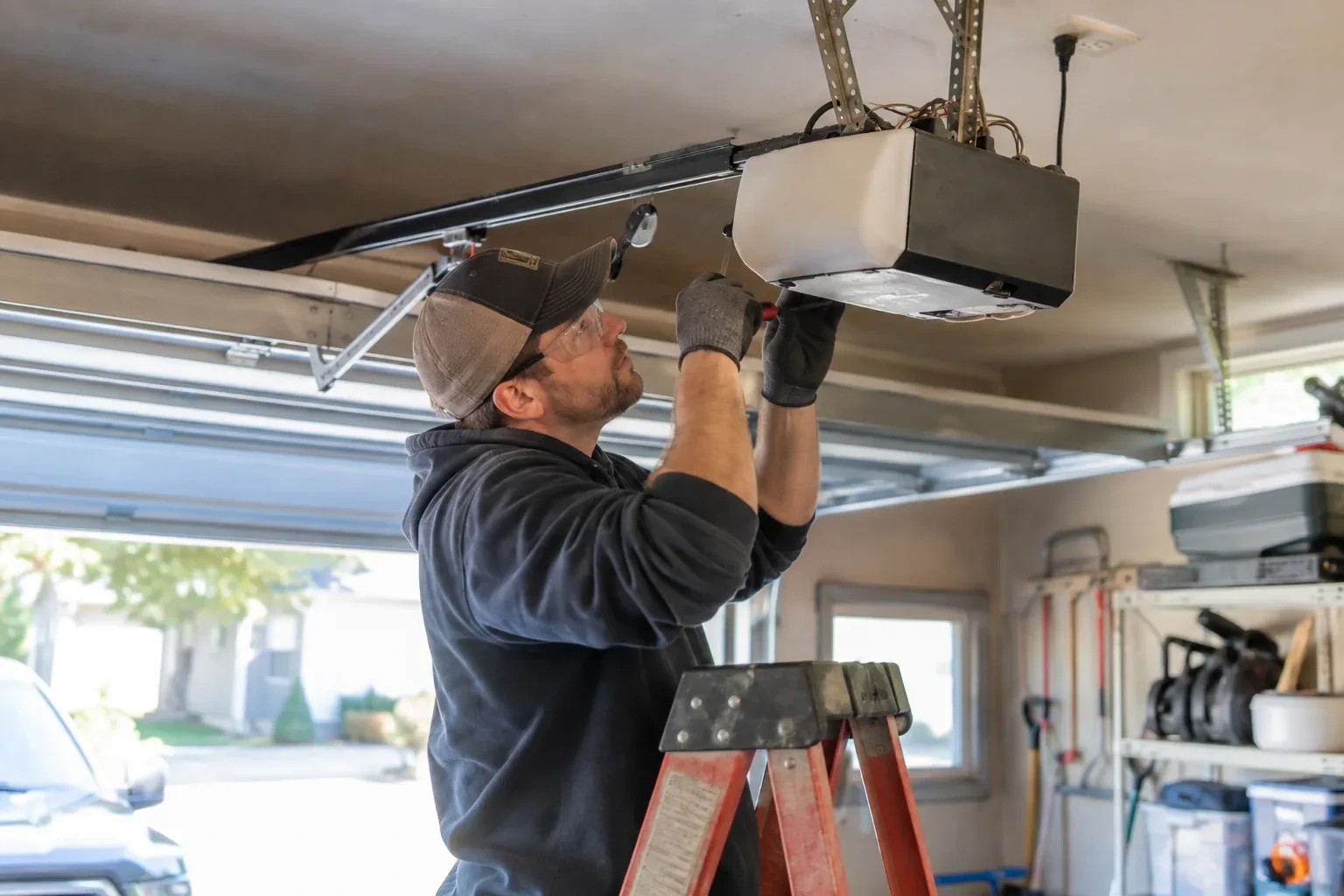
The door stops partway up for no reason, or opens fine and then refuses the next time. Some days the keypad works and some days it does not. The opener is the one that came with the house twenty-odd years ago, and nobody has the manual.
The small light on one of the sensors near the floor has gone dark, or it flickers when someone walks past the track. The other one glows steadily. The door refuses to close from the car.
The house came with a controller already screwed to the garage ceiling and a sensor on the door, but the app insists the device belongs to another account. The seller has moved provinces, the emails go unanswered, and every evening the door still reports to a stranger's phone.
A recent wind event left one section slightly creased, a strut twisted, and several track fasteners loose. The door still moves, although the changed shape suggests that a complete system assessment is appropriate before regular use resumes.
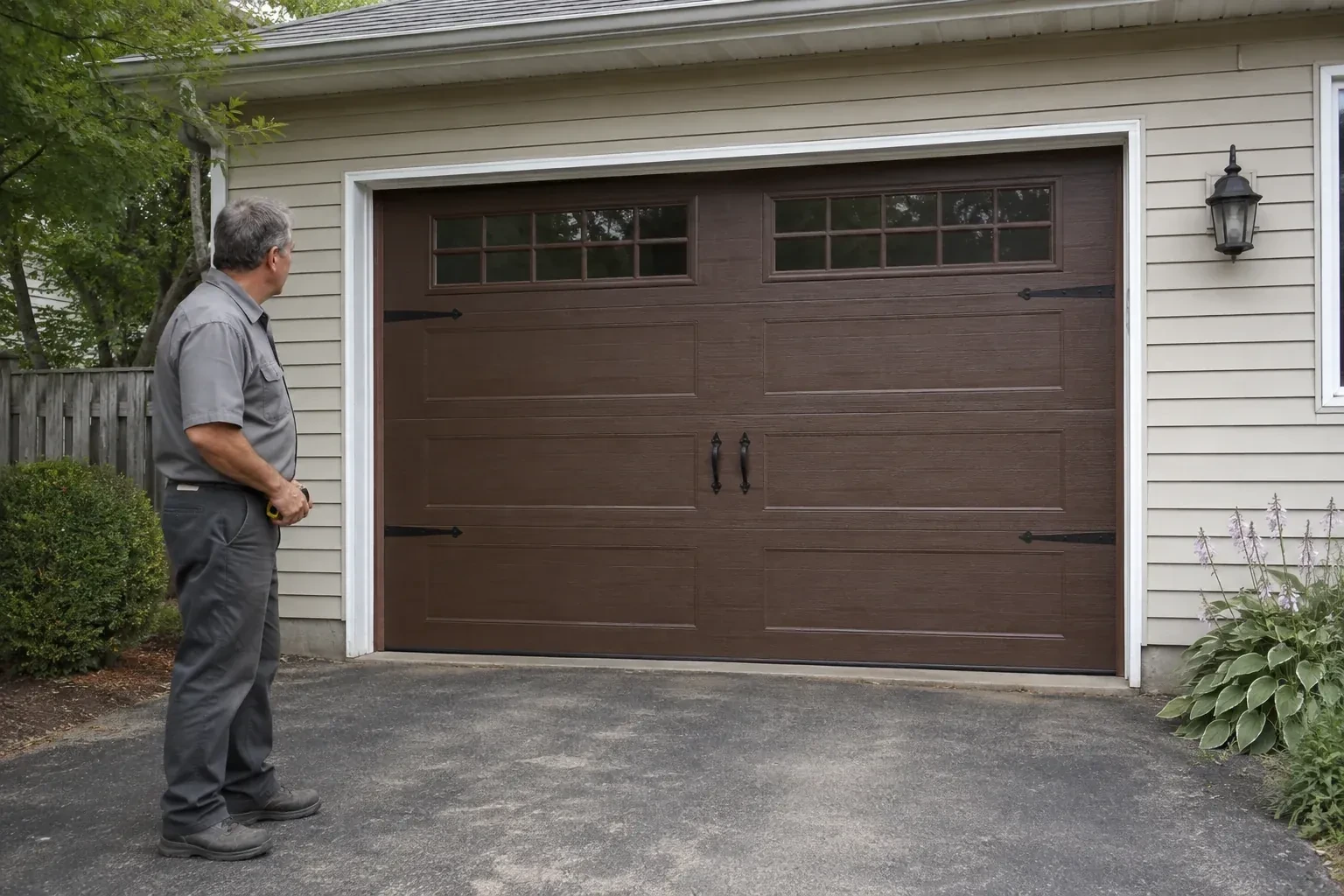
You appreciate the grain and depth of traditional wood doors, though regular refinishing is not part of your plan. A durable carriage-house surface can create a similar visual effect with simpler upkeep.
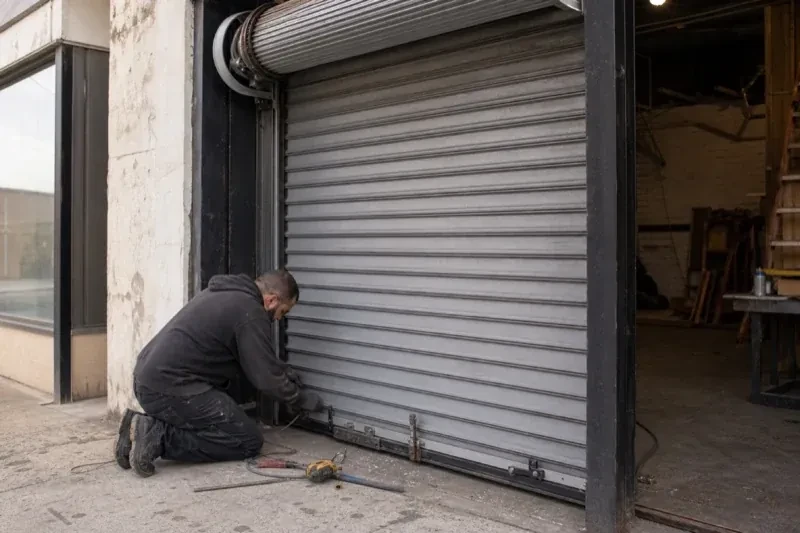
A metallic clatter now comes from inside the hood whenever the curtain coils. The sound follows each revolution, the travel has become jerky, and fine metal dust is visible near one bracket and bearing.
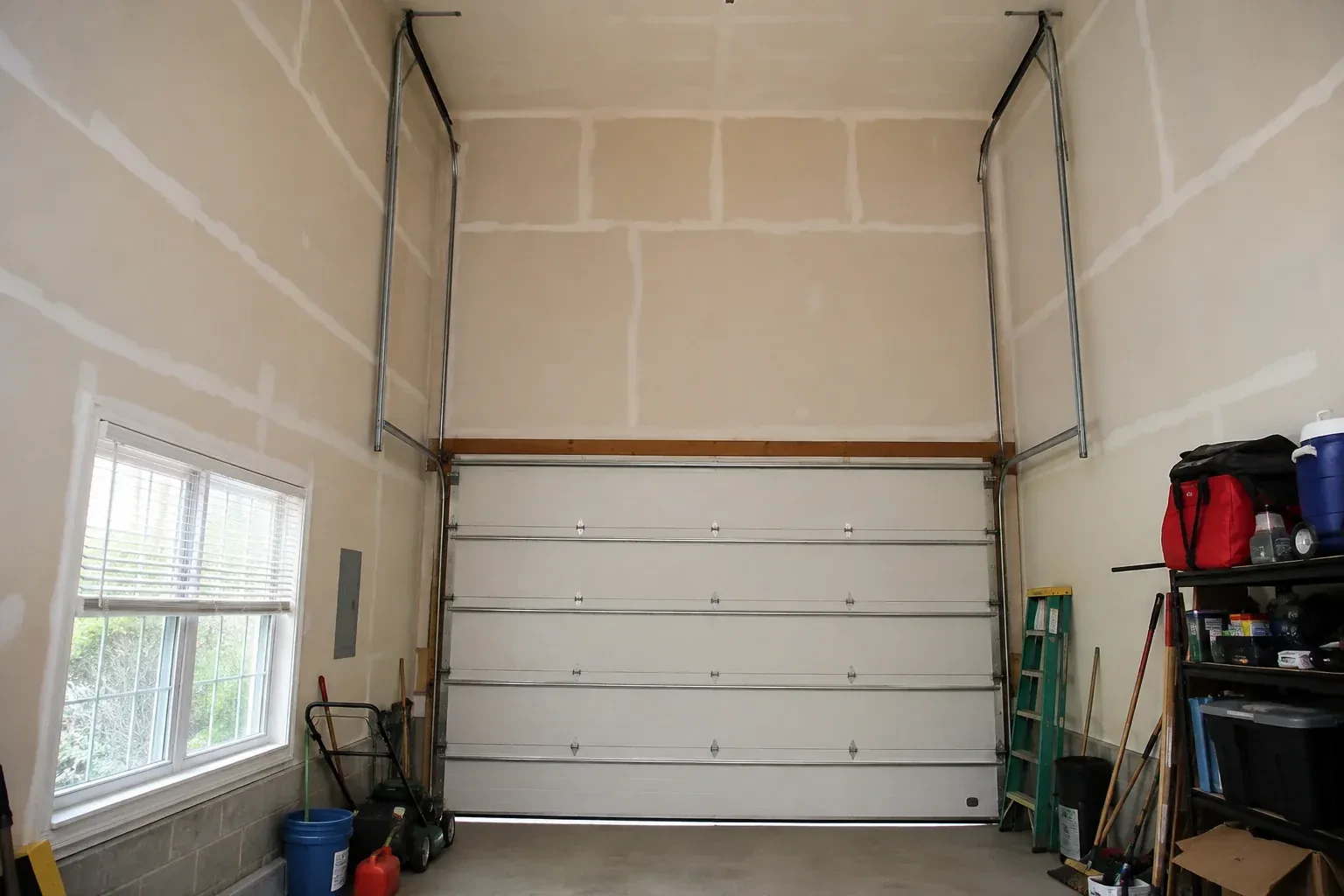
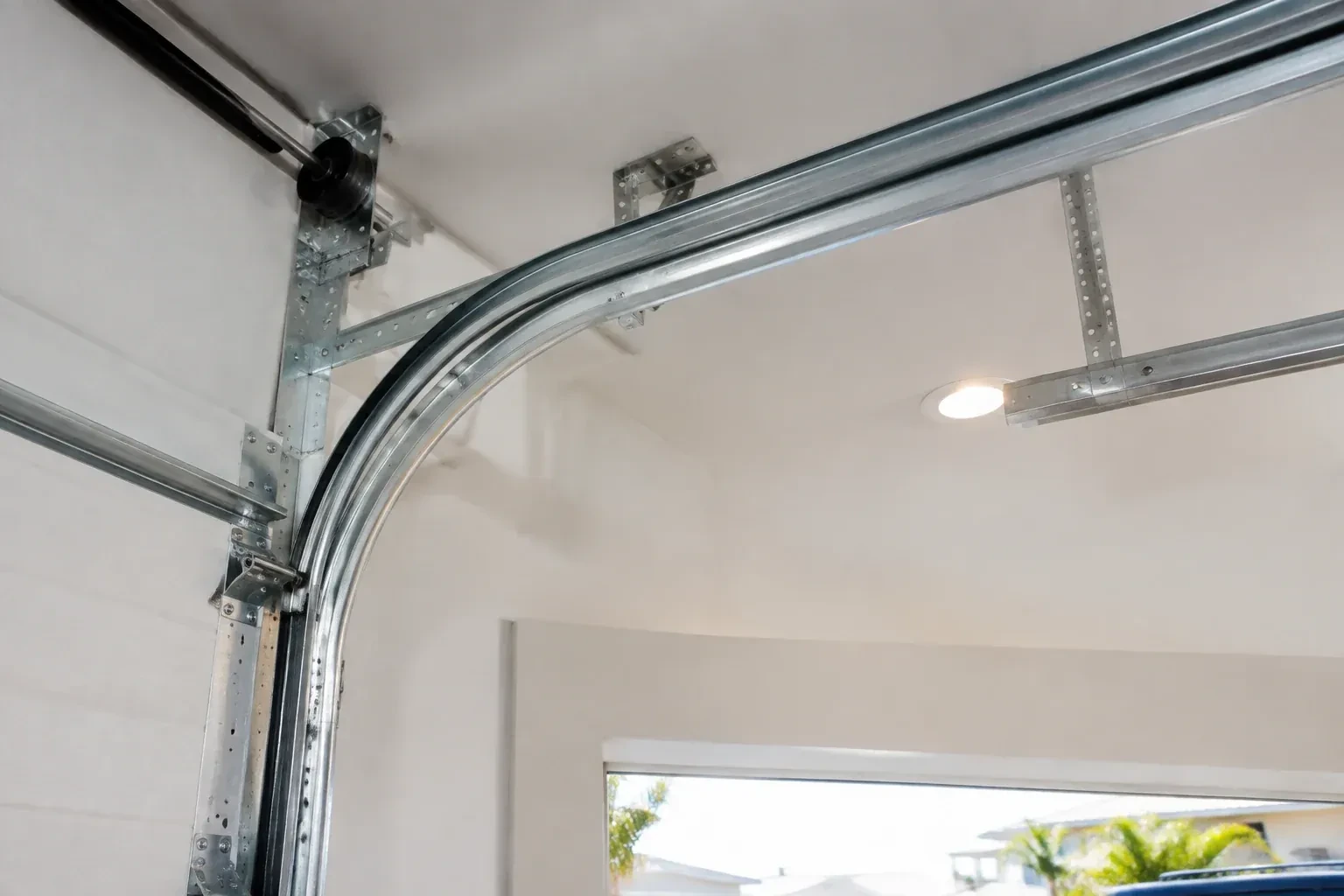
Workshop equipment is moving in, and the present opener rail and door sections occupy the same overhead zone planned for lighting and clear working space. A different travel path could organize that ceiling area more effectively.
Move the car out if you can and clear a metre or so in front of the door and along both tracks so the technician can reach the hinges and brackets. Find the door and opener manuals and any earlier repair paperwork. Have every remote and the keypad code to hand. If something has changed lately, be ready to say when and what you noticed first. If the door looks wrong, leave it where it is.
What is a safety cable, and does my door need one?
A safety or containment cable is threaded down the inside of each extension spring and fixed at the hanger behind and the bracket in front. It carries no load in normal use. If a spring snaps, the cable keeps the broken halves in place beside the track. Every extension-spring door should have one each side, and the industry's inspection checklist asks for it. Doors installed decades ago often have none; they are added with the new springs.
Can a door with a broken spring be balanced?
A broken spring is replaced rather than adjusted; there is nothing left to wind. On a two-spring door the technician normally replaces both, since the survivor has the same age and cycle count, and then balances the door on the new pair. Until the visit, leave the door closed and avoid running the opener, which is not designed to lift the door's full weight on its own.
How old is too old to repair?
Age alone is not the test; parts and safety are. The technician checks the exact model and part numbers, because even a unit from the last two decades can have a board, sensor or trolley that is no longer made. Where the parts are available, a repair is usually straightforward. Where a key part is discontinued with nothing to replace it, or the unit predates photo eyes, replacement is the sounder choice even for a small fault. The technician tells you which side of that line your unit sits on.
How should I clean the lenses?
Gently, with a soft dry or lightly damp cloth, the way you would clean eyeglasses. Never scrape a lens or use a solvent, since a scratched or clouded lens scatters the beam. Wipe both sensors, then check that the receiving light comes on steadily. If a lens frosts on cold mornings, give it a few minutes to clear or dry it with a cloth. A quarterly wipe keeps dust, cobwebs and salt film from building up.
Do you need my Wi-Fi password?
No. The technician will ask you to type it into the app yourself at the right moment and will look away while you do. The same goes for the account password and any verification code. The technician needs to see that the hub has joined and that commands work, not the credentials that made it happen. If you do not know your network password, find it before the visit; it is often printed on the router.
Will a reinforced door be heavier than my old one?
It may be. Added struts, different section construction, glazing, and heavier hardware can change the total door weight. The counterbalance springs are selected for the finished assembly, and the opener is checked for compatibility and correct attachment. With proper balance, the door should still move in a controlled way by hand and under power.
How are two side-by-side doors made to look consistent?
The layout uses shared reference lines for window height, panel divisions, handles, strap accents and exterior trim. Each opening is still measured separately because floors and jambs can differ. Samples and elevation drawings help resolve whether both doors use identical patterns or coordinated versions scaled to their widths. Installation then checks closed position and seal contact independently while preserving the planned visual alignment.
Why does the door stop and reverse while closing?
A photoelectric beam may be blocked, a sensing edge may be active, the curtain may meet resistance, or the operator may be responding to a monitored-device or limit condition. The inspection keeps these possibilities separate. Sensor placement, alignment and response are checked alongside free mechanical travel and the operator's documented control logic.
How much ceiling height does the conversion need?
There is no single ceiling figure because the useful dimension depends on the opening height, desired clearance, track transition, shaft and spring space, opener arrangement and nearby obstructions. A technician measures the whole bay and calculates the high-lift rise that fits those boundaries. The result should be expressed as a proposed open-door clearance before the component set is ordered.
Request a visit
Winter is when garage doors in Toronto fail most, so we prepare for it. Cold-rated lubricants, bottom seals that stay soft in the frost, spring tension checked before the freeze and opener force adjusted for a stiffer door. A door serviced in the autumn is a door that opens in January.