Garage Doors in Scarborough Village, OntarioReady for thelisting photos.
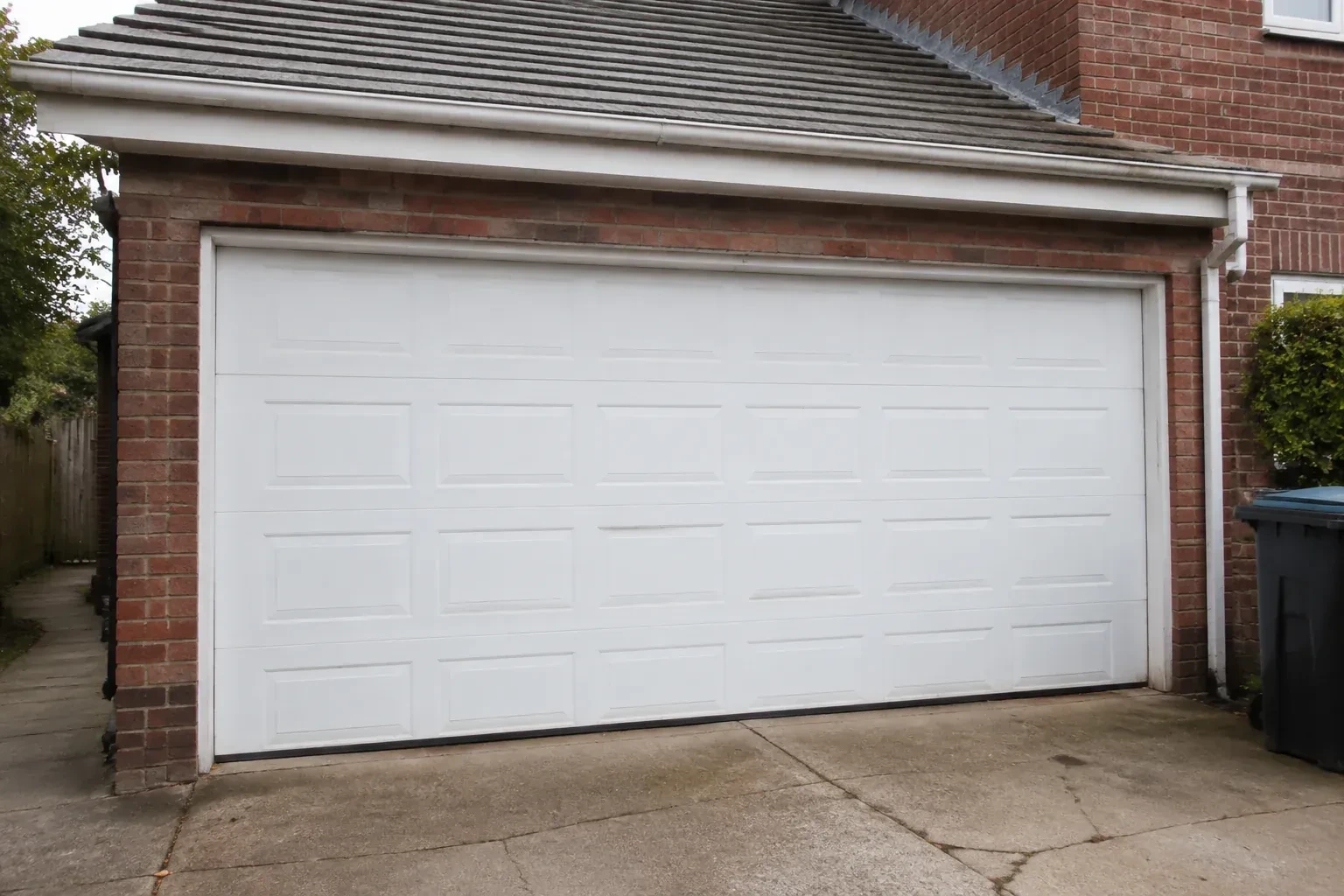
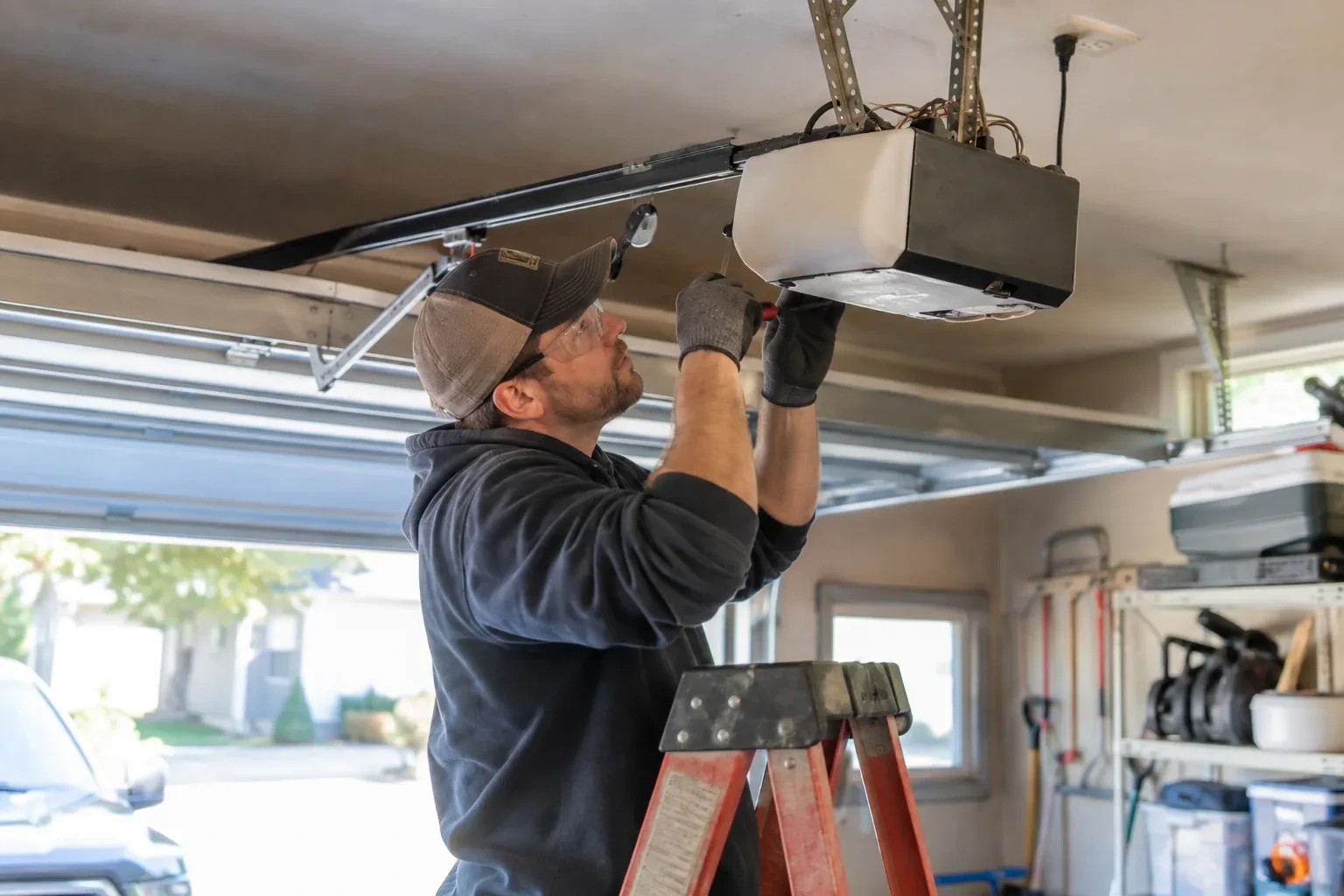
Selling a house in Scarborough Village puts the garage door front and centre in every photograph. We straighten, tune and quiet the existing door, replace tired weatherstrip and worn hardware, or fit a new door in a style that lifts the whole front of the home before the first showing.
Selling a house in Scarborough Village puts the garage door front and centre in every photograph. We straighten, tune and quiet the existing door, replace tired weatherstrip and worn hardware, or fit a new door in a style that lifts the whole front of the home before the first showing.
Open, close, repeat, for years.
We keep the van stocked for Scarborough Village so a single visit covers most repairs, and we book a time you can hold us to rather than a window that swallows your morning. If a part must be ordered, you hear that on the spot, along with when the second visit will be.
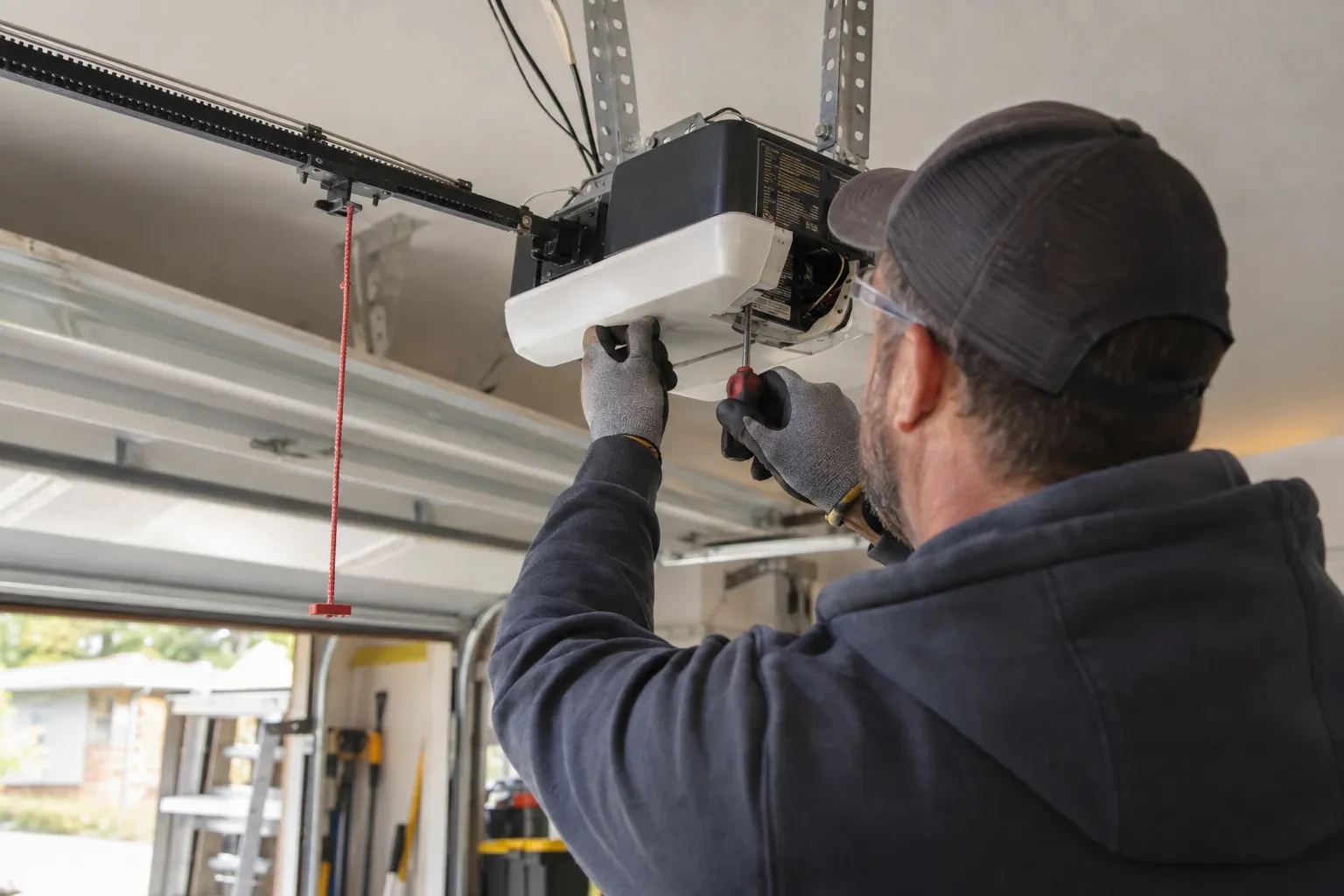
If you live in Scarborough Village and your garage door has let you down, you are in familiar territory for us. Our vans pass through the neighbourhood regularly, so the drive is short and the streets are known. We repair springs, cables, rollers and openers, install new doors, and take the time to explain each step so you understand what was done and why.
19years in business
24/7open every day
Questions welcome. Ask why a spring broke, what a roller does, whether the opener is worth keeping. Clear answers are part of the service.
Leaving it as we found it. Vehicles moved back, packaging removed, floor cleaned. The only change you notice is a door that runs properly.
Decisions made with the facts. We show you the wear, describe the choices and their consequences, and support whichever route you pick.
Arrange a technician for your Scarborough Village garage door.
Garage doors in Scarborough Village go through the same cycle: hardware wears, springs tire, openers age, and eventually the door itself is due. We offer a service for each stage, so you can maintain what you have, repair what has failed, or replace the door when that is the sensible choice.
About 58% of homes in Toronto were built in 1980 or earlier, according to the 2021 Census.
Older homes
Where houses are older, the garage often sits beside the house rather than beneath a bedroom, so noise is a smaller concern and durability a larger one. Heavy-duty rollers, a properly sized torsion spring and cold-rated lubricant make an old door dependable for years.
Single-detached houses make up about 23% of homes in Toronto (2021 Census).
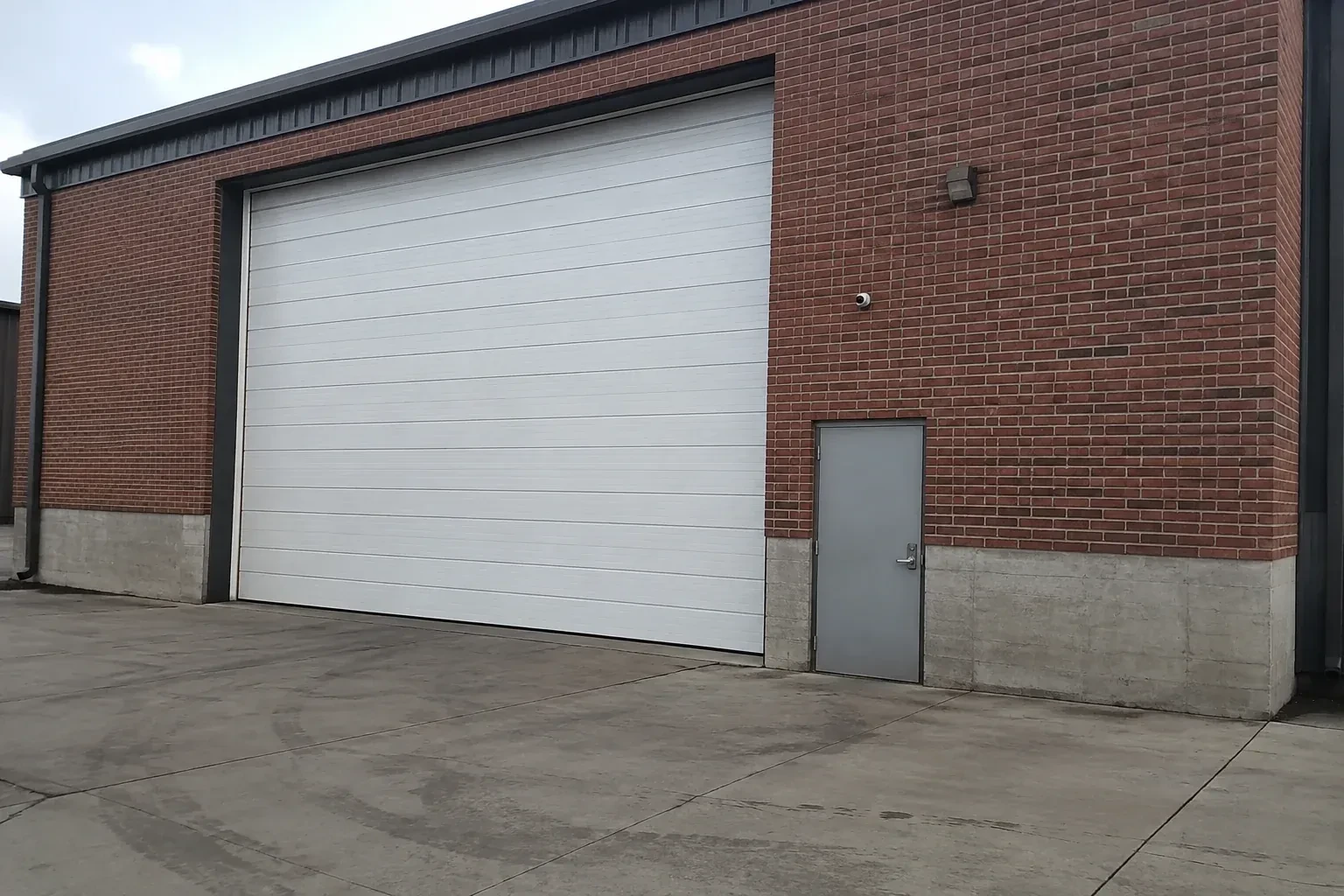
Apartment and condo buildings often have a single heavy door protecting the whole parking level, and when it stops, everyone is affected. We prioritise these calls, carry commercial operator parts, and set up a maintenance interval matched to the number of cycles the door sees each day.
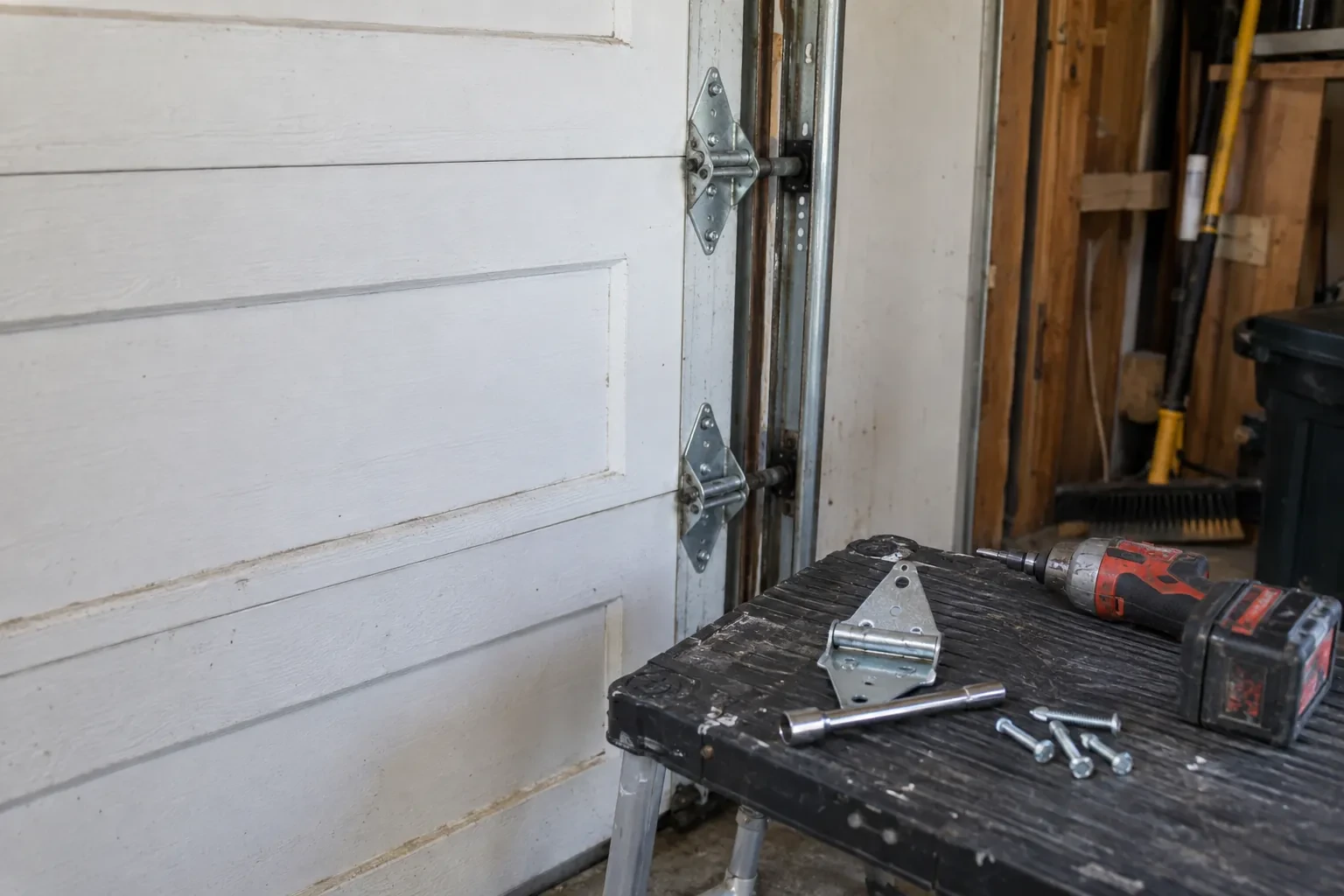
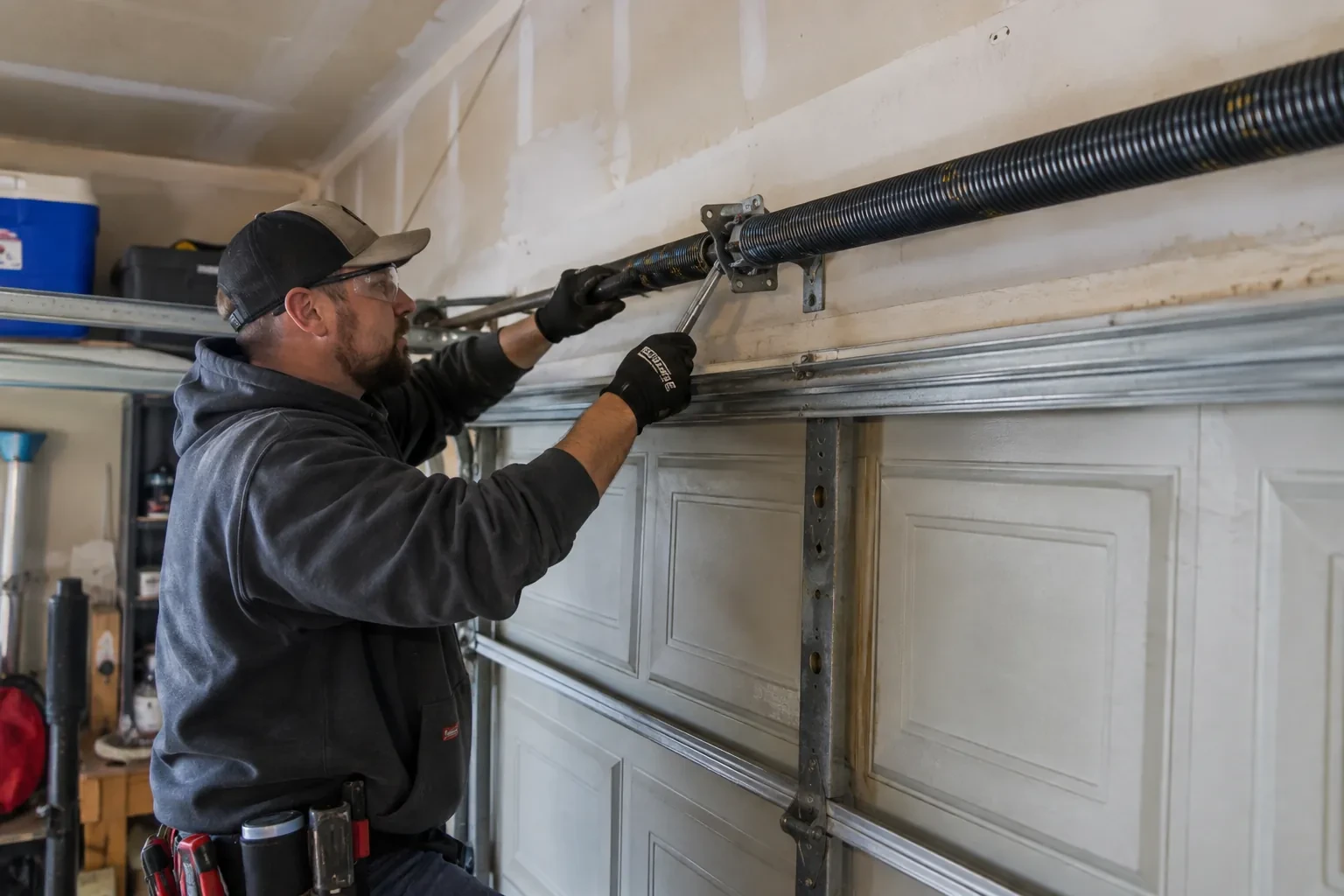
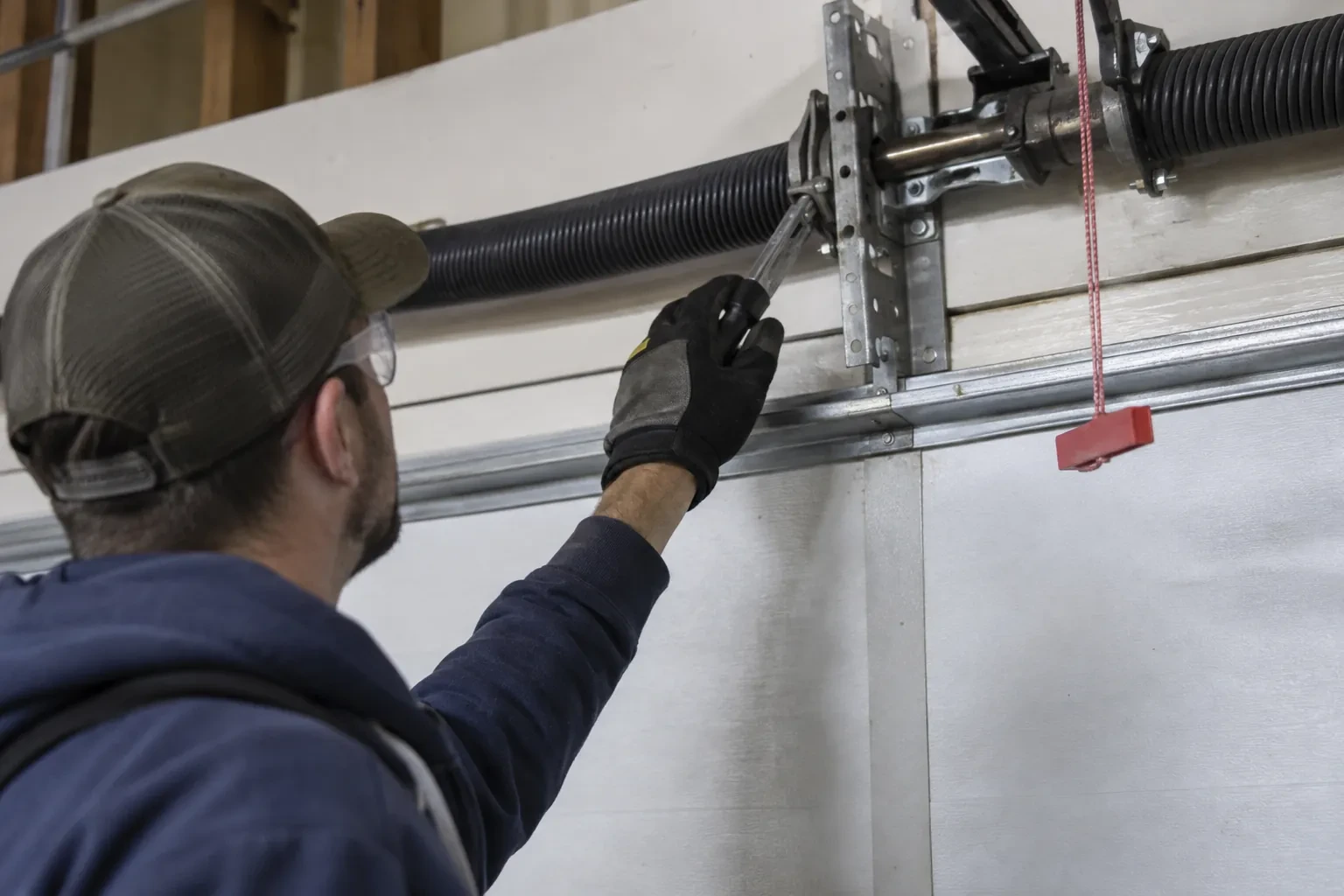
Cables fray at the bottom bracket, drums wear grooves, bearings dry out and springs lose their set. Each is a small part, and each can leave a heavy door hanging crooked. The hardware services replace them as a matched set.
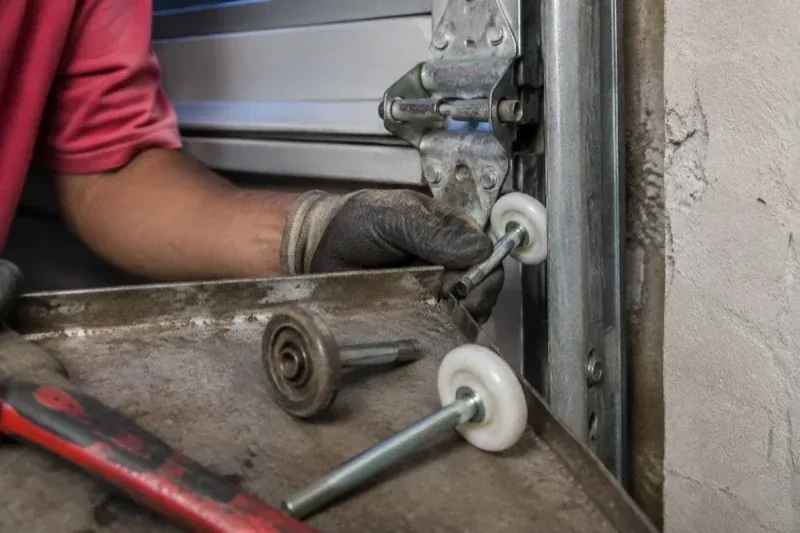
One of the little wheels along the edge of the door has a chunk missing, another sits crooked in its hinge, and there is a fine grey dust on the floor under the track where plastic has been wearing away.
Press the button and the opener hums for a second, then quits. The trolley is jammed hard against a bolt at the very end of the rail near the motor and will not budge in either direction.
The door used to glide up with a soft hum. Now there is a sharp clack every second or so, and if you stand underneath you can see the belt sagging below the rail and slapping it on the way up.
During the ice storm the power was off for two days. You came home in the dark, found the door dead, and had to climb out of the car to pull the red cord in the cold.
Since shelving went up along the garage wall, the door will not close and both sensor lights are dead. A screw or staple may have gone through the thin wire that runs from the opener to the sensors.
Your daughter gets home from school an hour before anyone else. She has lost two house keys this year, and the garage keypad code has been shared with half her class.
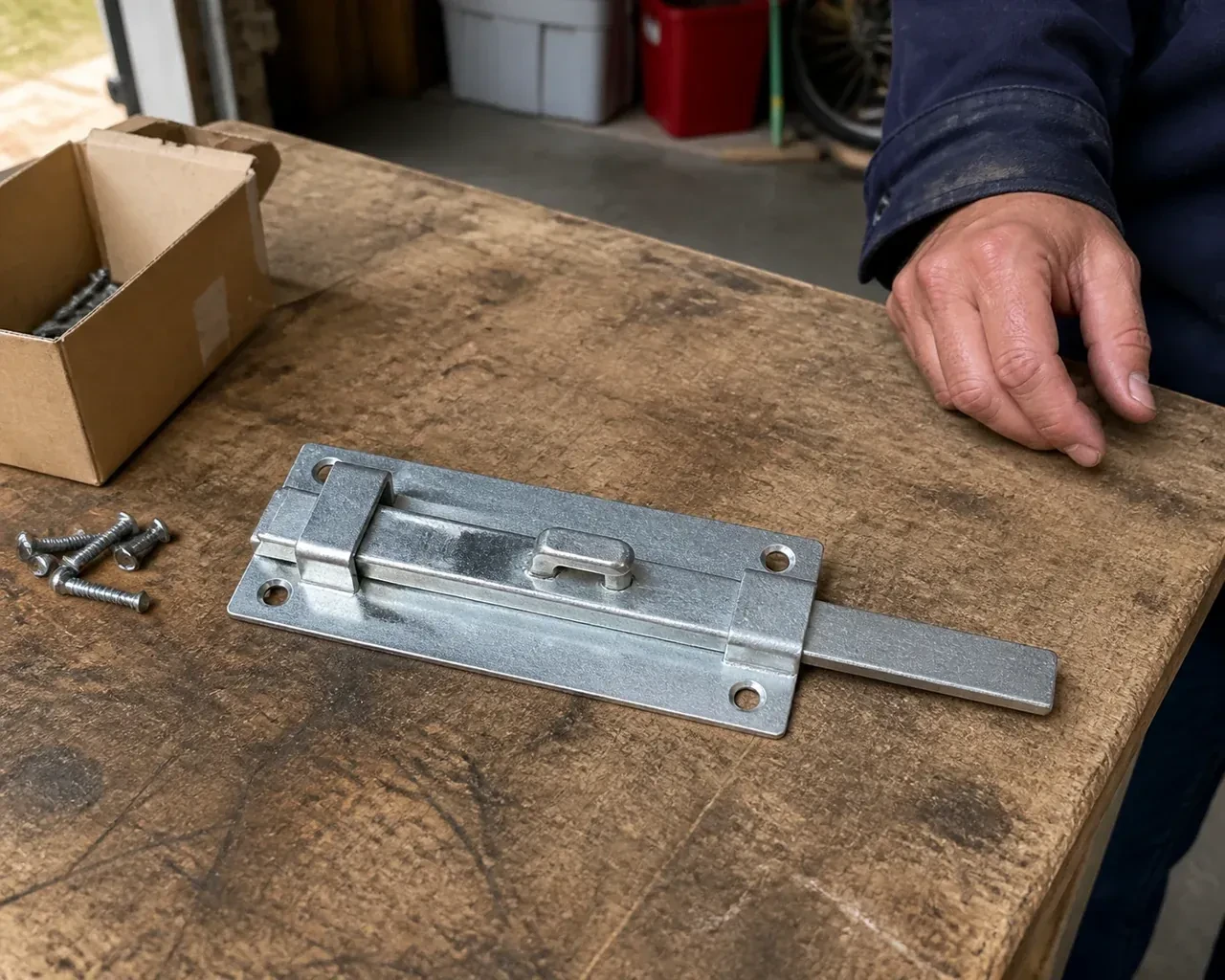
Your garage is detached and has no side door. The remote is dead, the keypad is dead, and the small round lock in the top panel is meant to be your way in.
Which fix fits?
You moved in a few months ago and have no idea when the garage door was last looked at.
WhyFor a facility with several sectional doors, the repair visit can separate one isolated failure from wear shared across similar openings.
How a visit goes
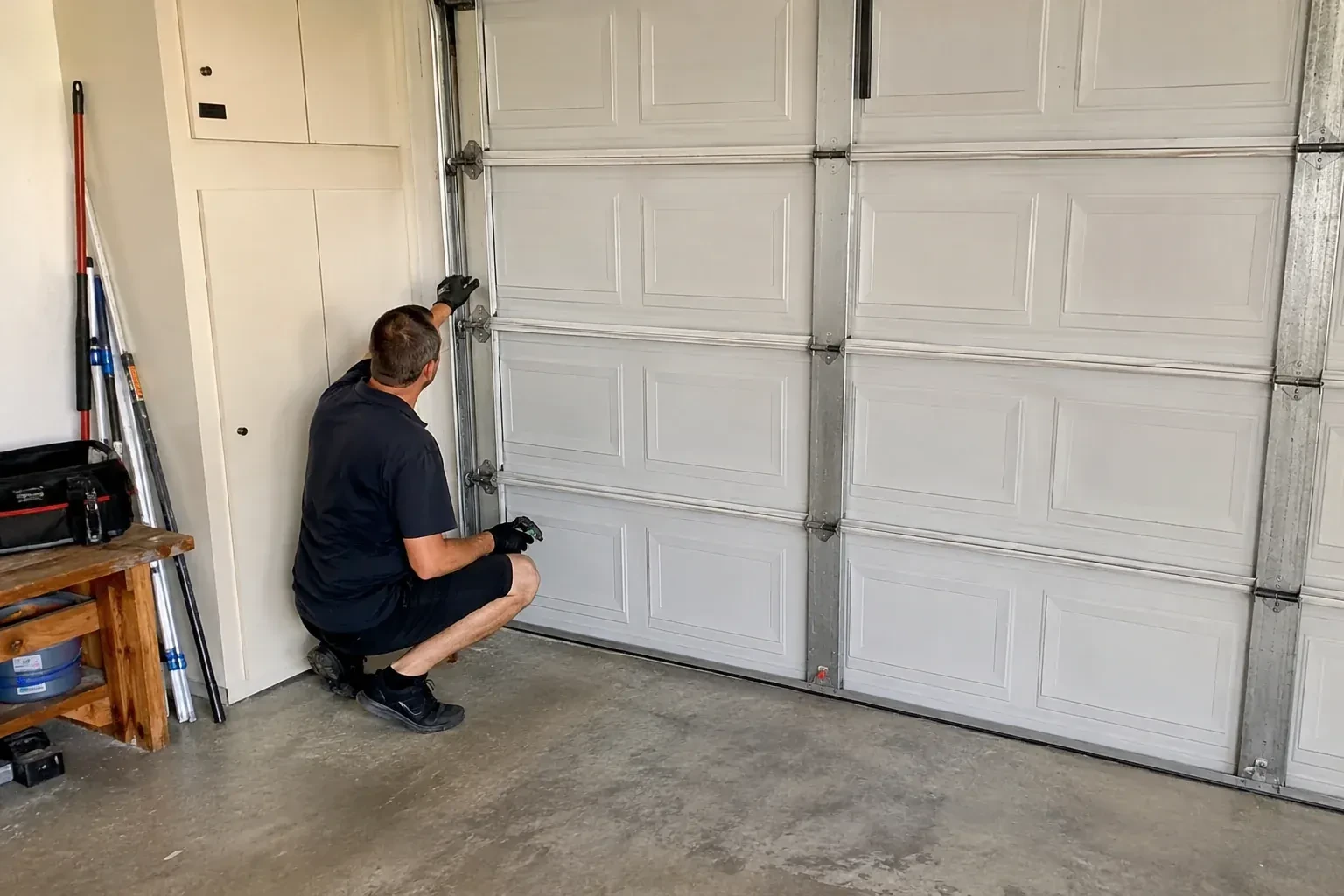
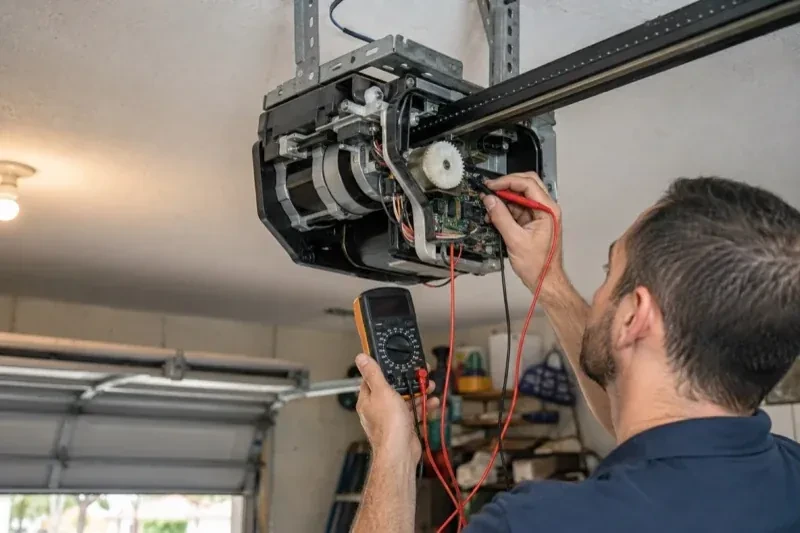
Describe the property, the hardware and what has changed, and the visit starts from what you have seen.
01
Say what you noticed
A new noise, a hesitation, a gap at the bottom. Small observations point us to the right part before we even arrive.
02
Diagnosis you can follow
We show you what we find as we find it: the worn cable, the tired spring, the sensor out of line. No mystery about the cause.
03
Work done and shown
The repair is completed, the door tested through full travel, and the result demonstrated so you know exactly what changed.
An entrance. Not an afterthought.
1/10Garage Door Tune-Up
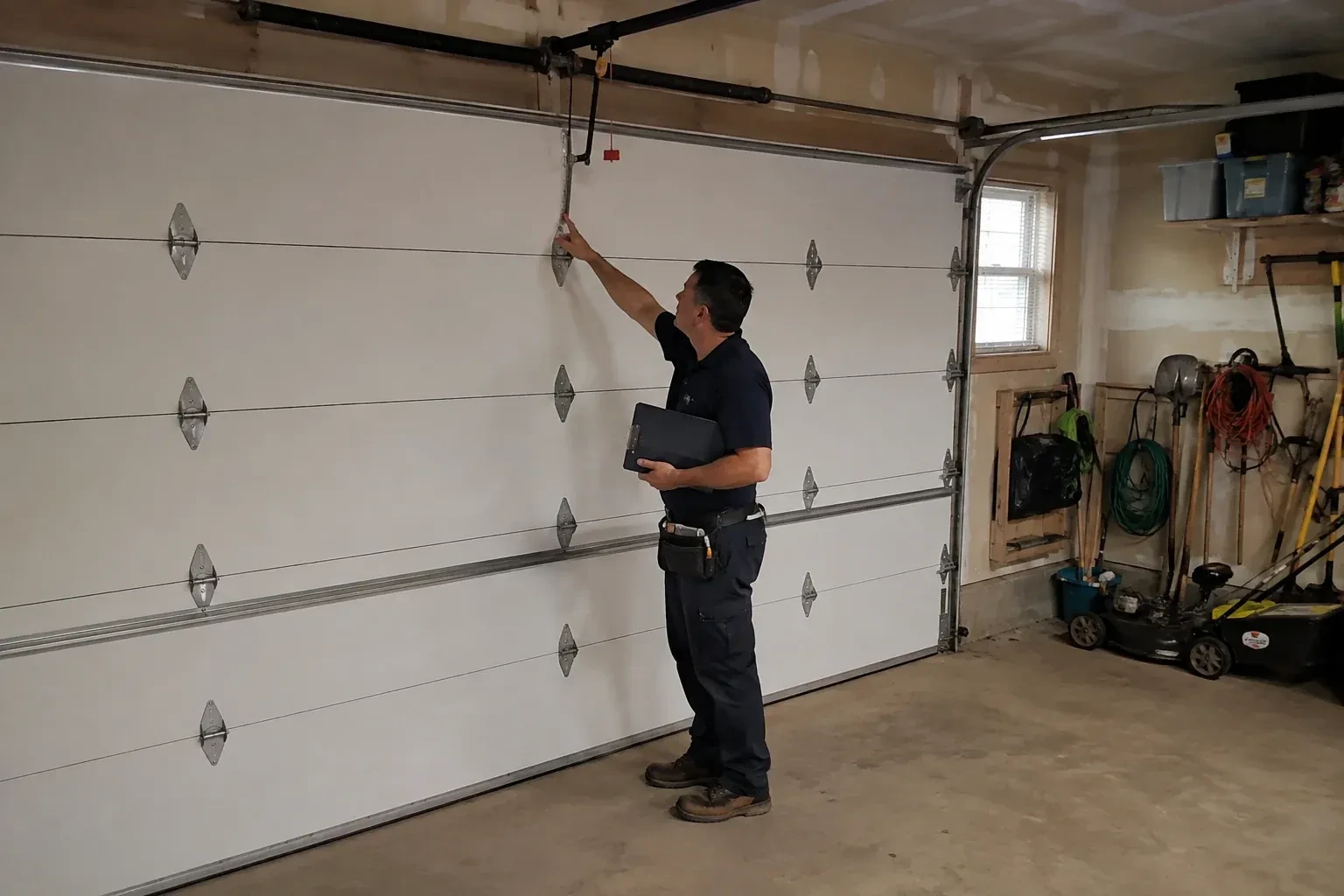
You moved in a few months ago and have no idea when the garage door was last looked at. The previous owners left the remotes on the counter and no paperwork, and the door works, but it works loudly and unevenly.
The top section has developed a bend where the opener arm pulls on it. On the way up it flexes visibly, the door hesitates near the top of its travel, and daylight shows through the joint below it when the door is closed.
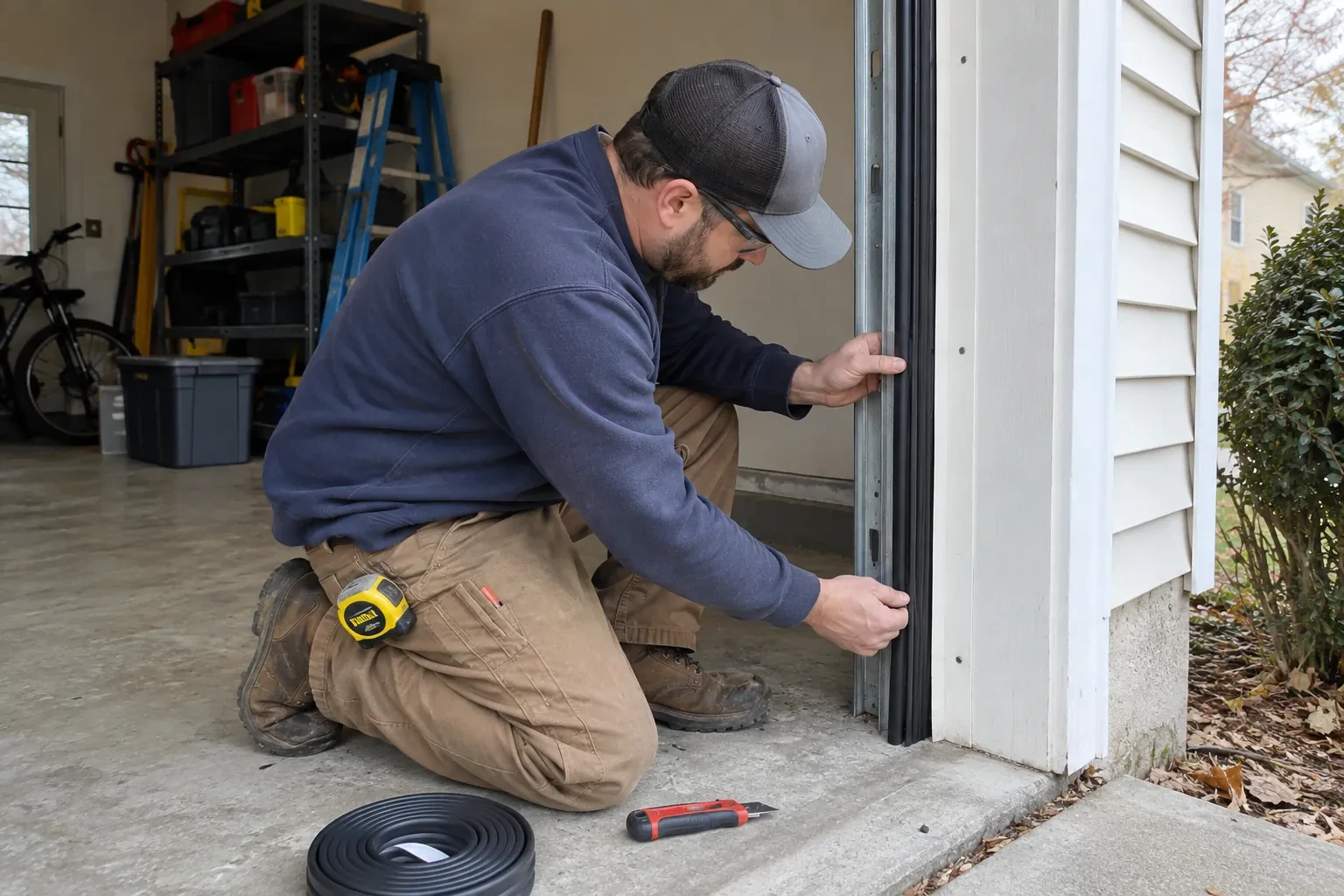
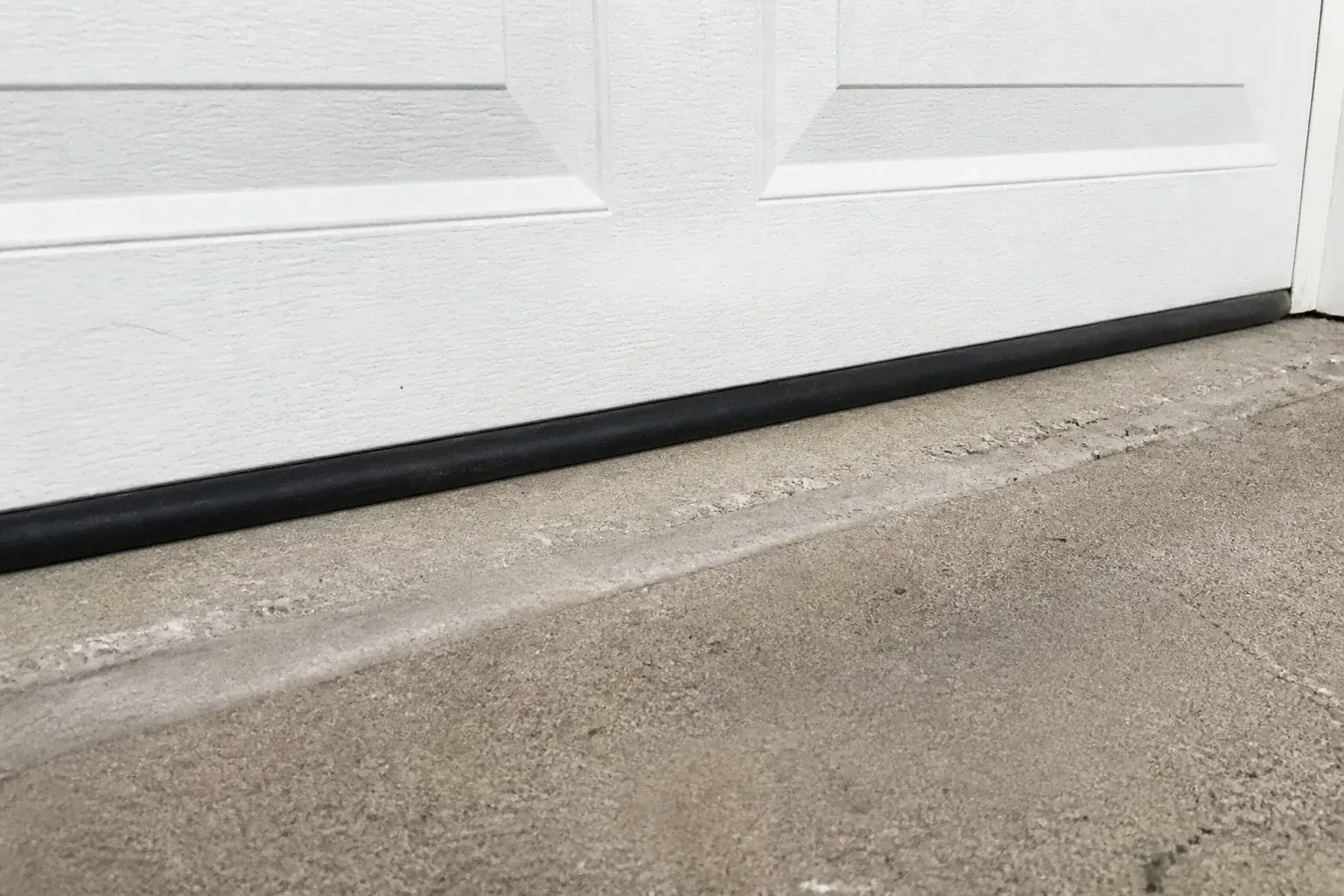
The garage doubles as a workshop, and with the heater running the floor near the door stays cold and the draft finds your ankles at the bench. When the wind is up you can feel the air moving under the door.
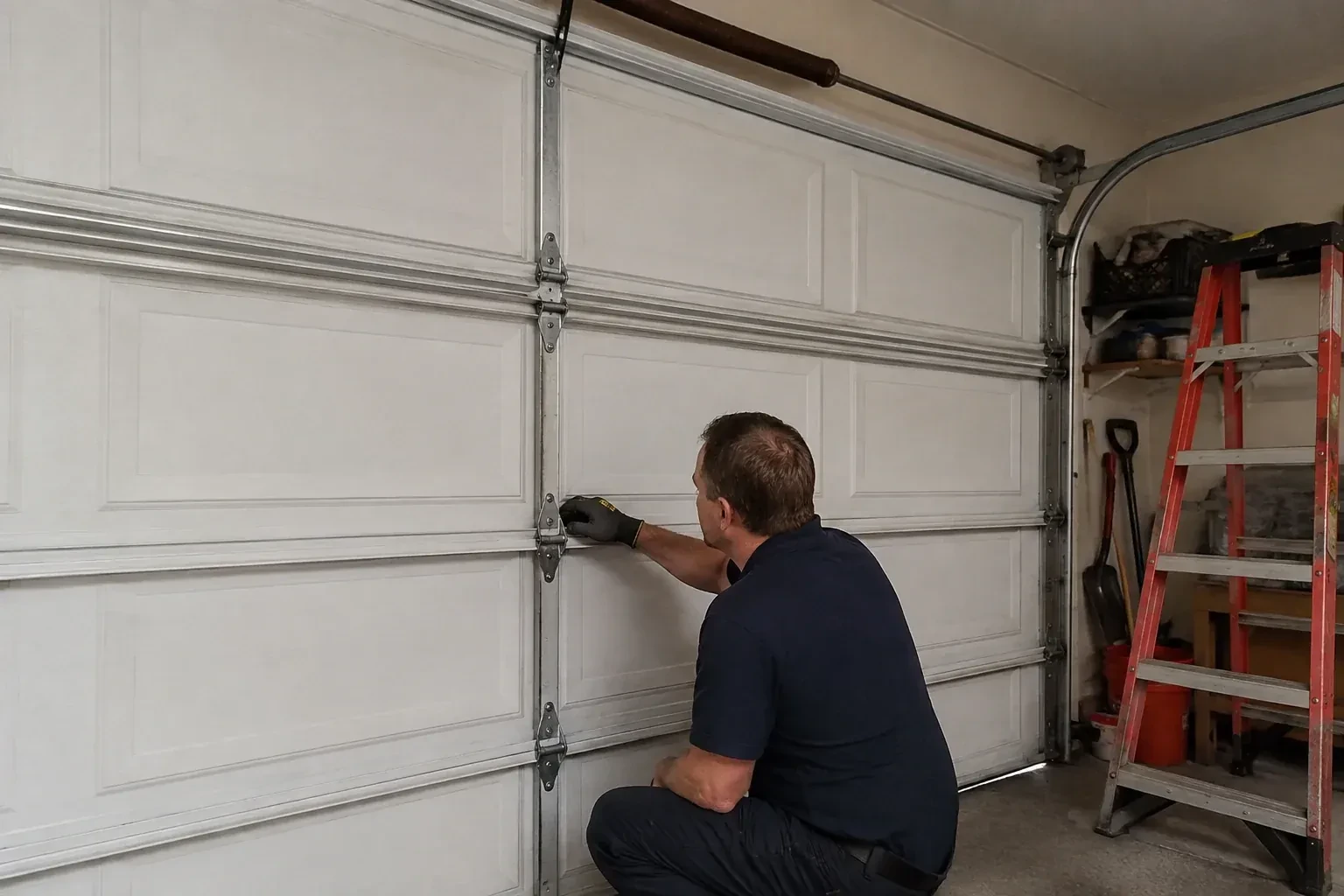
On the old wood door, one hinge has pulled away from the panel, dragging a screw and a chunk of soft timber with it. The panel sags slightly at that joint and the door bumps at the curve instead of gliding.
You bought the house with a door that sticks near the top of its travel. The vertical track was screwed tight against the jamb, so the door drags along its stop moulding on every trip instead of swinging clear.
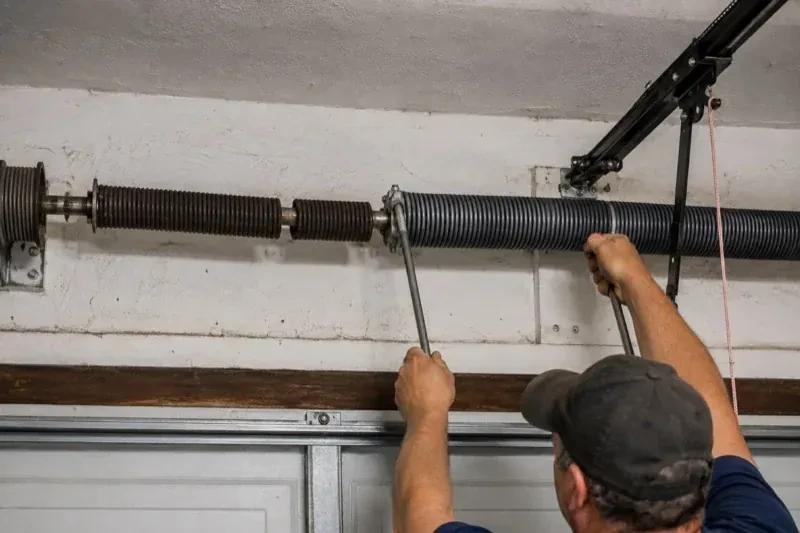
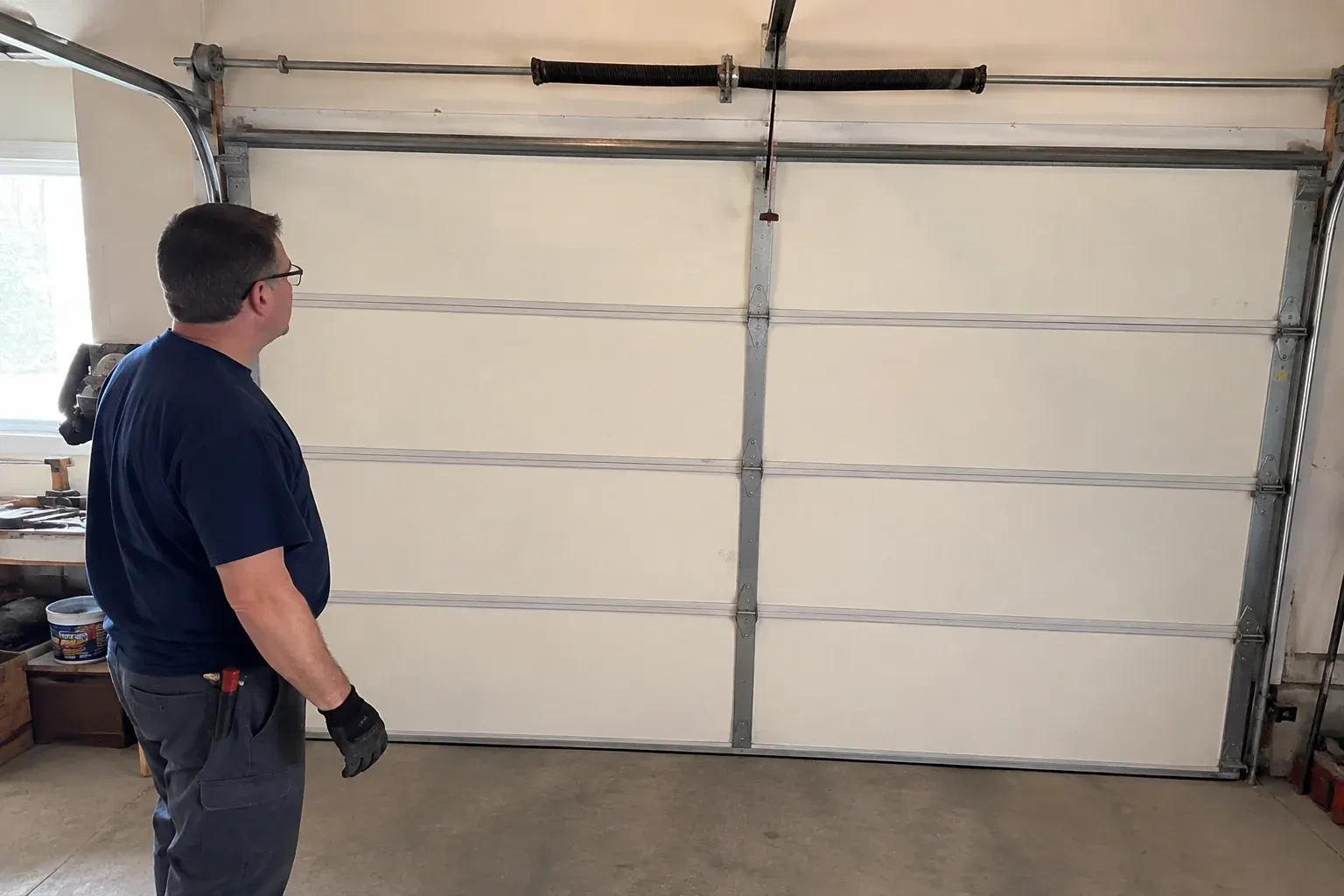
On a cold morning the remote does nothing useful: the light comes on, the motor turns briefly, the door stays shut. There may be a fresh crack in a rusty coil, and flakes of orange on the floor below the shaft.
The door closes, touches the floor, then climbs straight back up as if it hit something. Nothing is in the way, the sensor lights are steady, and it has been doing this since the weather turned.
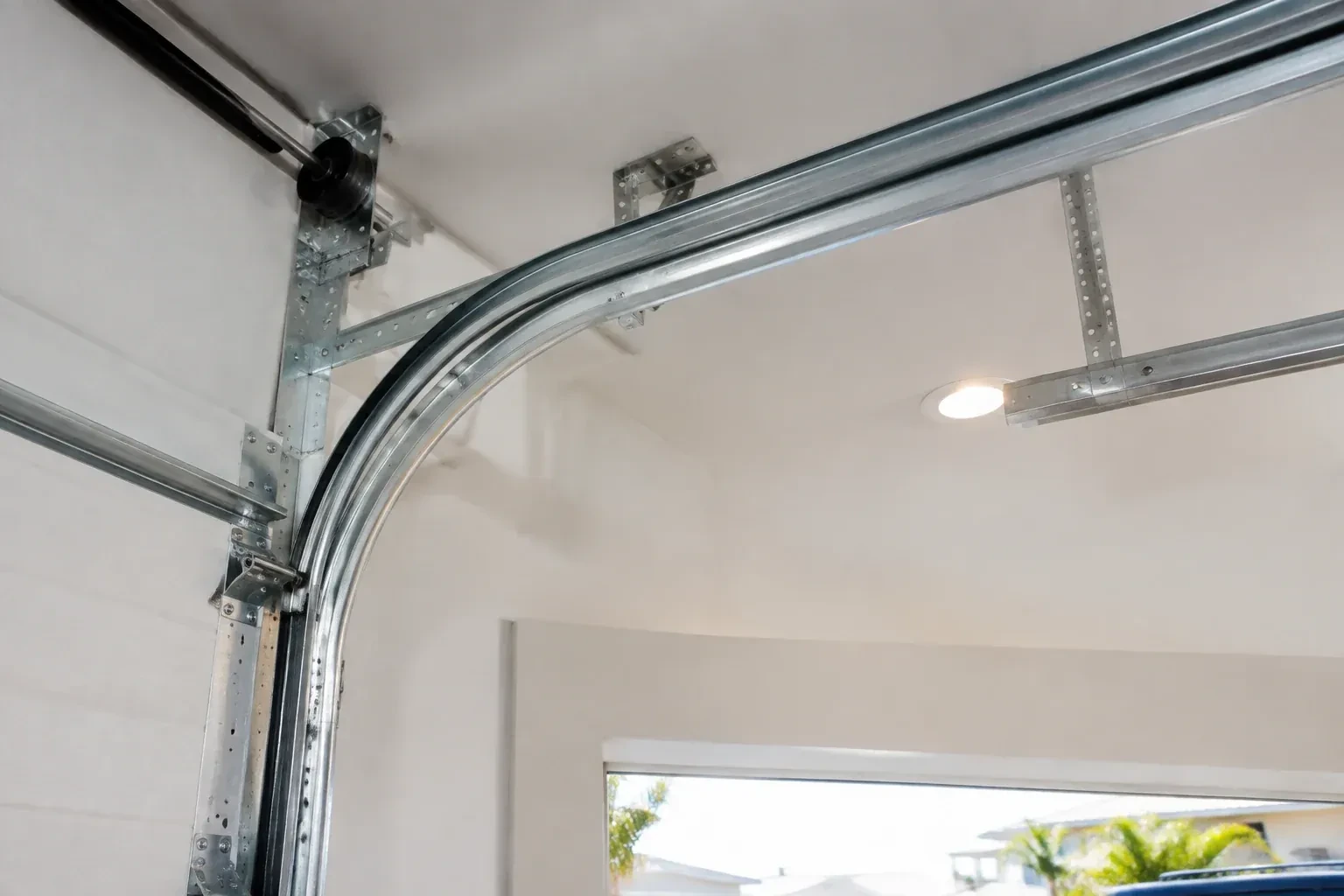
Your renovation changes how the ceiling space will be used. The existing track conflicts with new storage and lighting, so the replacement needs a measured track arrangement that follows the available headroom and backroom.
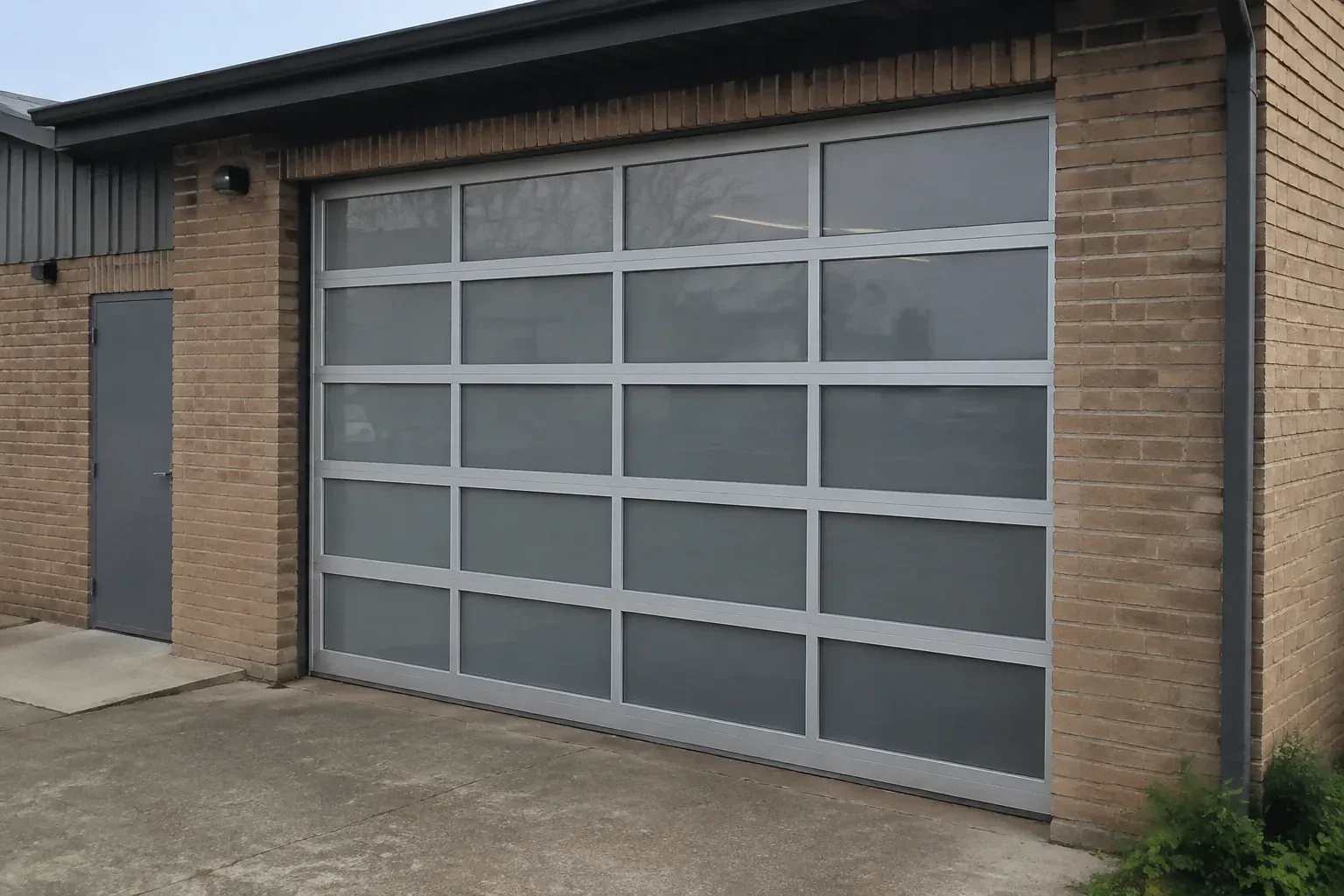
The garage works as a studio during the day, yet the closed solid door leaves it dependent on electric lights. A full-view door could bring daylight across the room while keeping vehicle access.
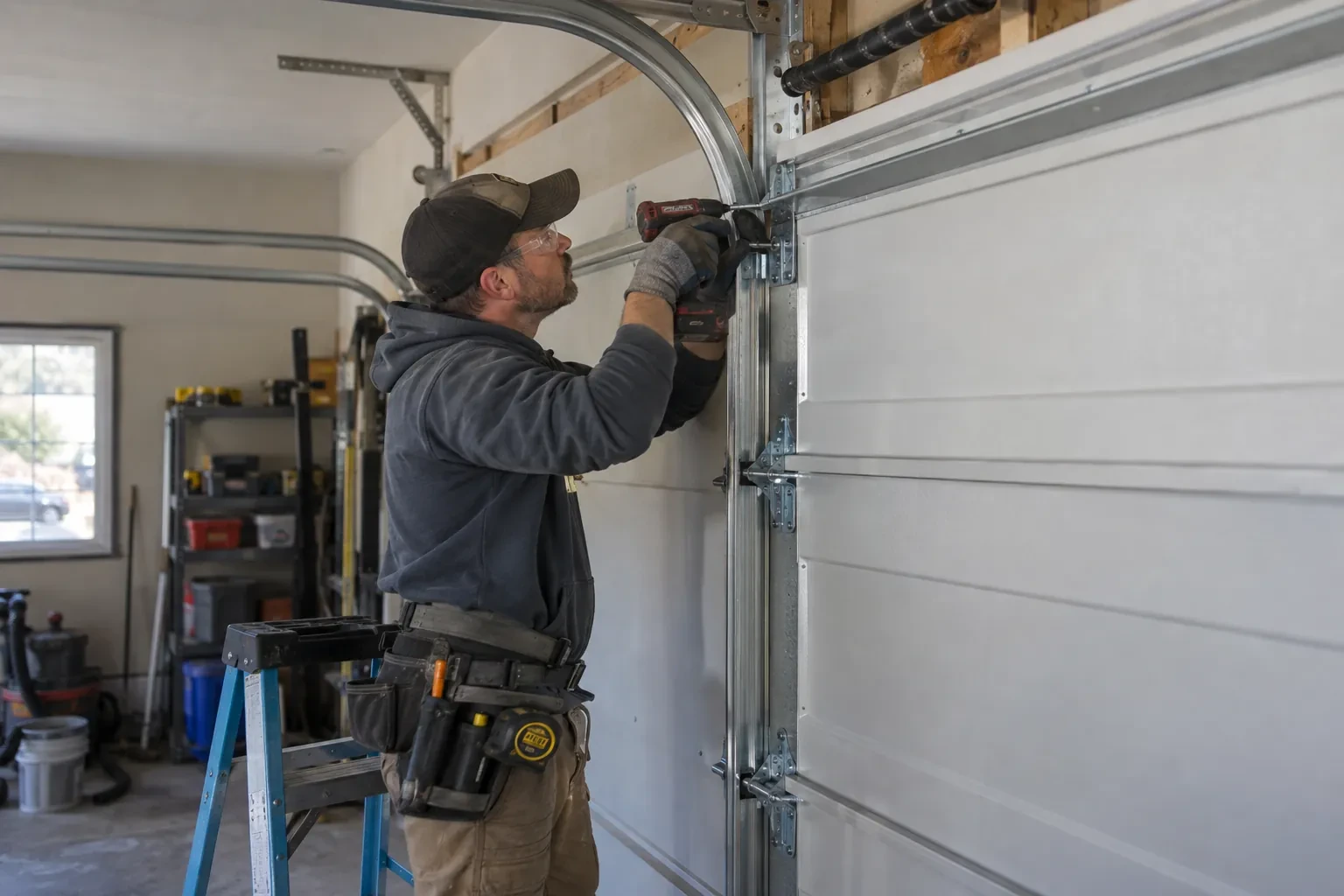
Each opening cycle brings a metallic knock followed by a shudder through the horizontal track. The sound grows near the curve, where a worn roller and loose hinge allow the section to shift under load.
My door closes, then reopens on its own. Is that a tune-up job?
Often, yes. A door that reverses before reaching the floor usually reacts to one of three things: photo-eyes misaligned or dirty, a down travel limit set so the door meets the floor before the opener expects it, or a force setting so low that stiff hinges, debris or a roller out of true read as an obstruction, since a clean, dry track is what the door is meant to run on. A tune-up clears all three by aligning the sensors, resetting the limits and freeing up the door's movement.
How do I know whether the damage is only cosmetic?
Watch the door move. A cosmetic dent leaves the section flat at the joints, the door travelling without a catch, and the hinges and rollers seated normally. Signs that the damage goes further include a crease that reaches a joint or stile, a hinge screw that has pulled out, a roller sitting crooked in the track, a gap of daylight at a joint, or a shudder as that section reaches the track curve. Any of those calls for a proper assessment.
Should I choose the tallest seal available?
Not as a rule. The seal should fill the measured gap with a little compression to spare. A profile far taller than the gap gets squashed flat, wears at the fold, bows the bottom section and can make the opener reverse. Where the floor dips at one end, a taller bulb is the right call for that door; where the floor is flat, a standard height lasts longer. Measuring first is what settles it.
What happens during a hinge replacement visit?
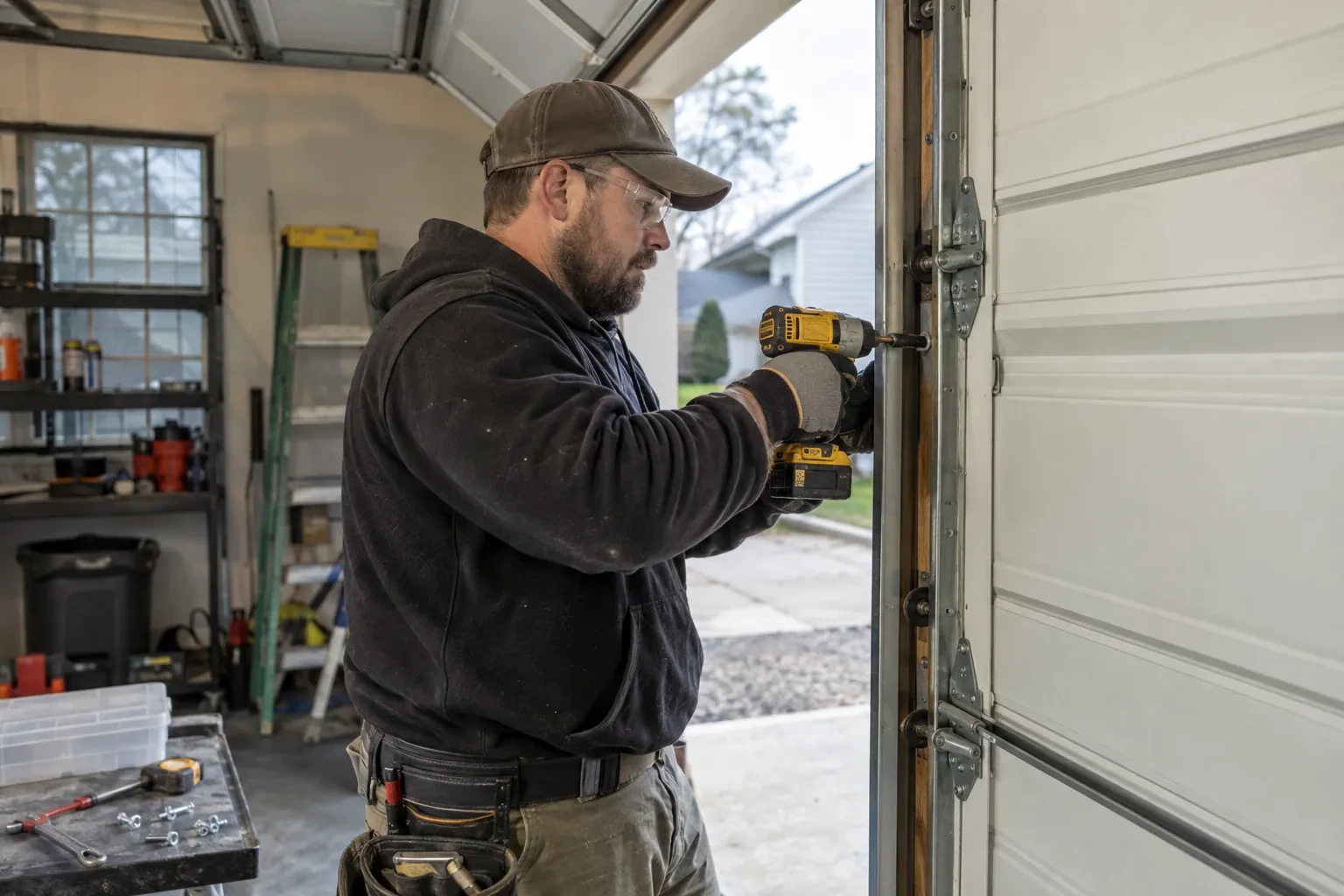
The opener is disconnected and the door left closed. The technician inspects every hinge, roller and screw hole and explains what was found. Worn hinges are then changed one at a time with parts of the same number and gauge, tired holes are re-anchored, and rollers are renewed where needed. The door is run by hand to check the panels fold cleanly and the fit against the jambs, balance is tested, and the opener is reconnected and its safety reversal tested.
Why is there a gap between the track and the edge of the door?
That gap is intentional. The rollers sit on stems that reach out from the hinges, and the track stands a set distance from the door so the wheels ride in the channel without the door's edge touching the track. The gap should be equal on both sides and slightly larger at the top of the vertical run, which is the taper that lets the door seal at the stop and release on opening. Unequal gaps are a sign the track has moved.
Can I keep using the opener until the technician arrives?
The kindest thing for the door is to leave it where it is and use another entrance. An opener is designed to move a door the springs have already made light; asking it to lift a full-weight door strains the trolley and gear drive and can crease the top section. Keeping the door still and clear of people until the spring is replaced protects the rest of the system from extra repairs.
Will the safety reversal be tested as part of the repair?
Always, and after every adjustment, because changing tension, limits or force changes how the operator senses an obstruction. The door is closed onto a 38 mm block on the floor and must return to open on contact, then closed again while the low sensor beam is interrupted and must reverse the same way. If either test fails the settings are revisited until both pass, and you are shown the tests so you can repeat them monthly.
What happens to my current opener?
Its condition, intended capacity, rail position and connection geometry are reviewed against the proposed door. If it is suitable and included in the scope, it can be reconnected after the new door passes manual travel and balance checks. Limits, photo eyes, reversal response and emergency release are then tested for the completed system.
Could permits or structural review be part of the project?
A straightforward replacement in an unchanged opening differs from work that widens the opening, changes the supporting header or forms part of a larger renovation. Commercial settings may add other project requirements. The assessment identifies visible structural and site conditions, while the proposal should state who confirms permit, design and electrical responsibilities that apply to the specific property.
Does a torn bottom seal always mean a seal-only repair?
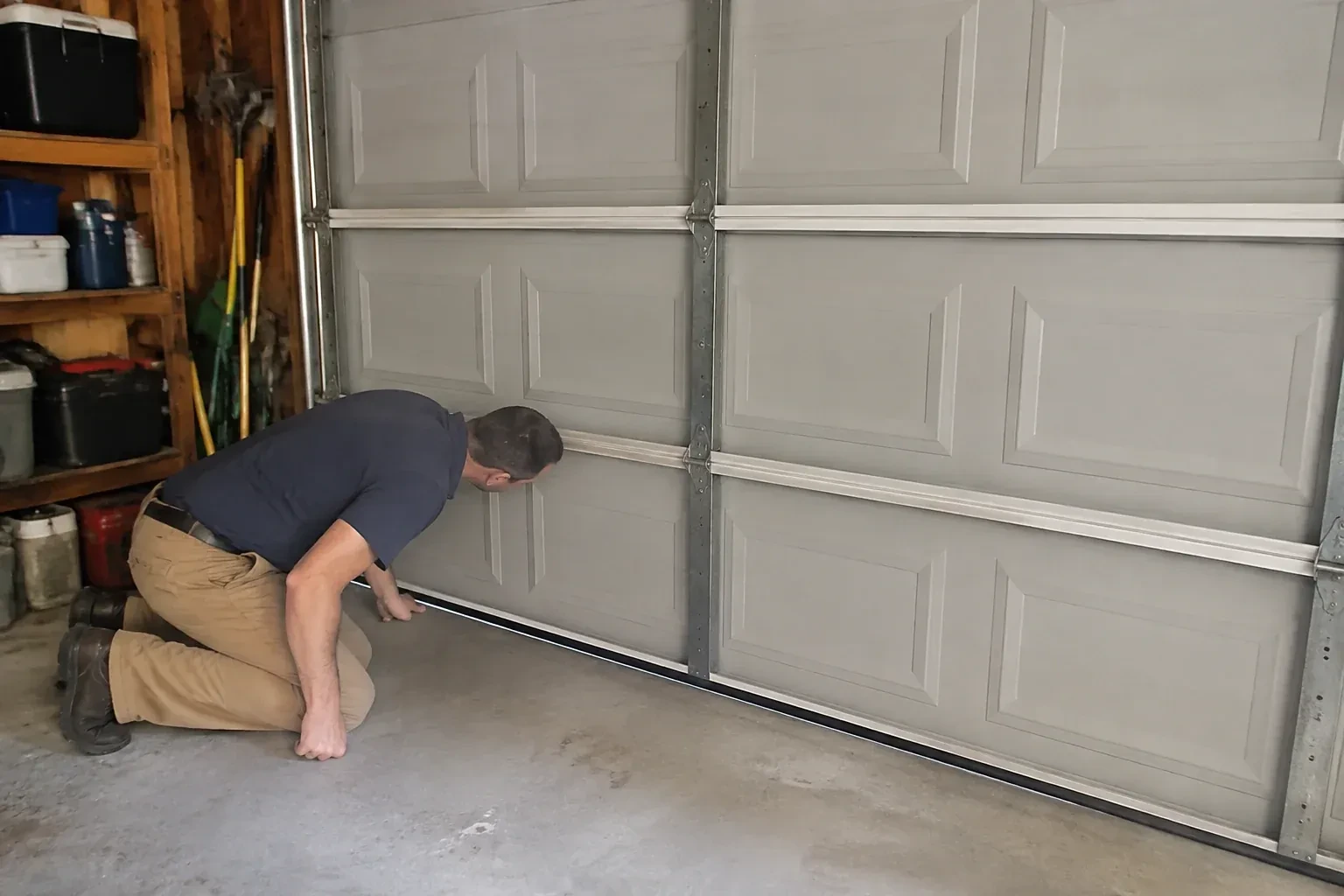
Not always. The rubber may simply be worn, but a bent retainer, uneven floor, crooked door or impact-damaged bottom section can produce the same gap. The technician checks how the door lands before replacing material. Correcting level or retainer shape first allows the new seal to contact evenly without being stretched to compensate for another fault.
Request a visit
We keep the van stocked for Scarborough Village so a single visit covers most repairs, and we book a time you can hold us to rather than a window that swallows your morning. If a part must be ordered, you hear that on the spot, along with when the second visit will be.