Openers · Toronto
Emergency Release Repair
Your garage is detached and has no side door.
In plain words
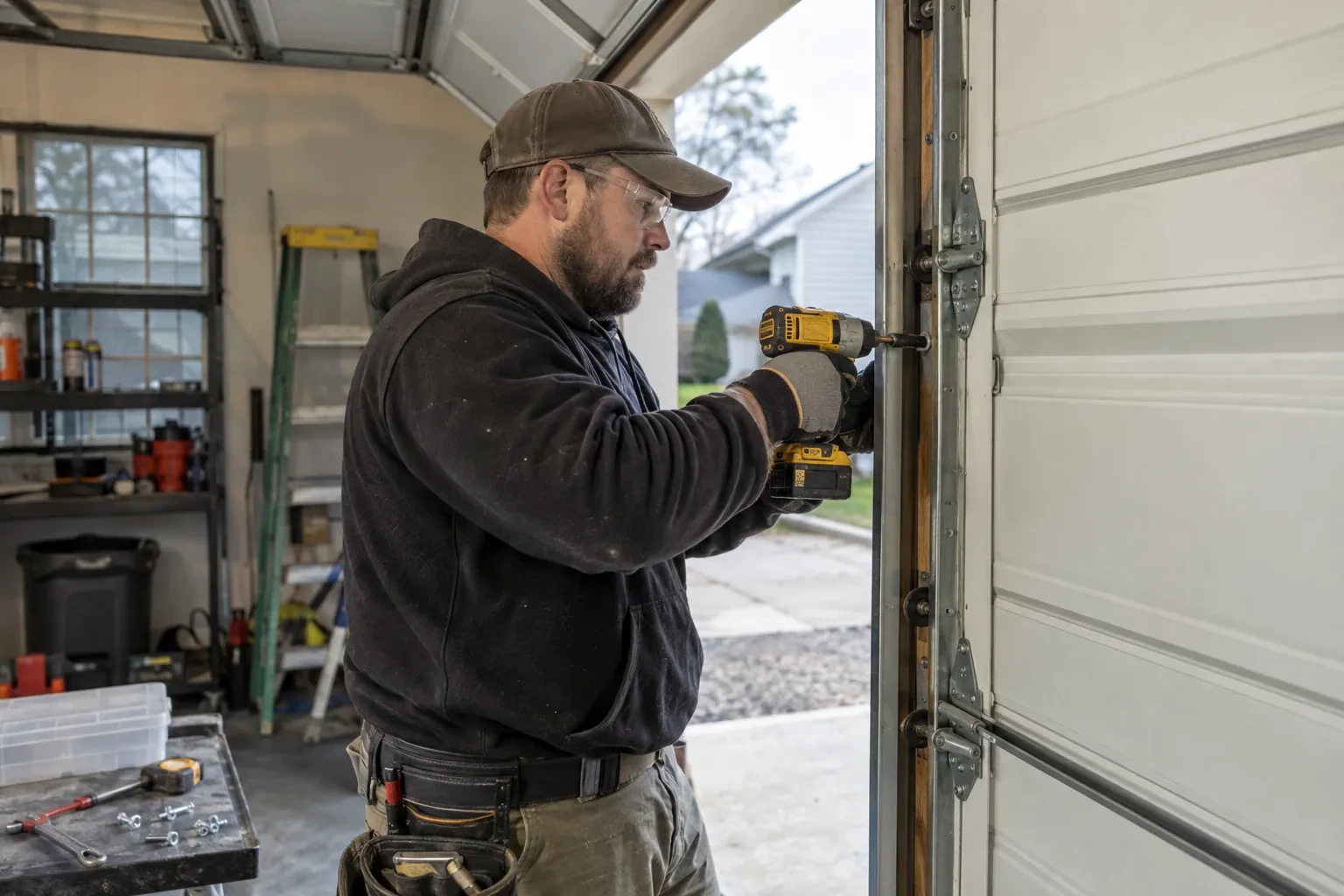
The release only earns its keep on a door that behaves once it is free of the opener, so the visit starts with the door closed and a balance test rather than with the handle. Disconnected, a healthy door lifts with modest effort, holds around a metre off the floor and stays put at the top. That is the door the release is designed for. If the door is heavy, drifts down or shoots up, the springs need attention first, work done with winding bars by a technician trained for tensioned hardware. Once the door passes, the release work goes ahead and the system is proven together.
How the visit goesSomeone pulled the cord last spring to get a car out during an outage, and the door has never properly rejoined the opener. Press the button and the trolley glides along the rail by itself while the door stays exactly where it is.
Emergency Release Repair
How the visit goes
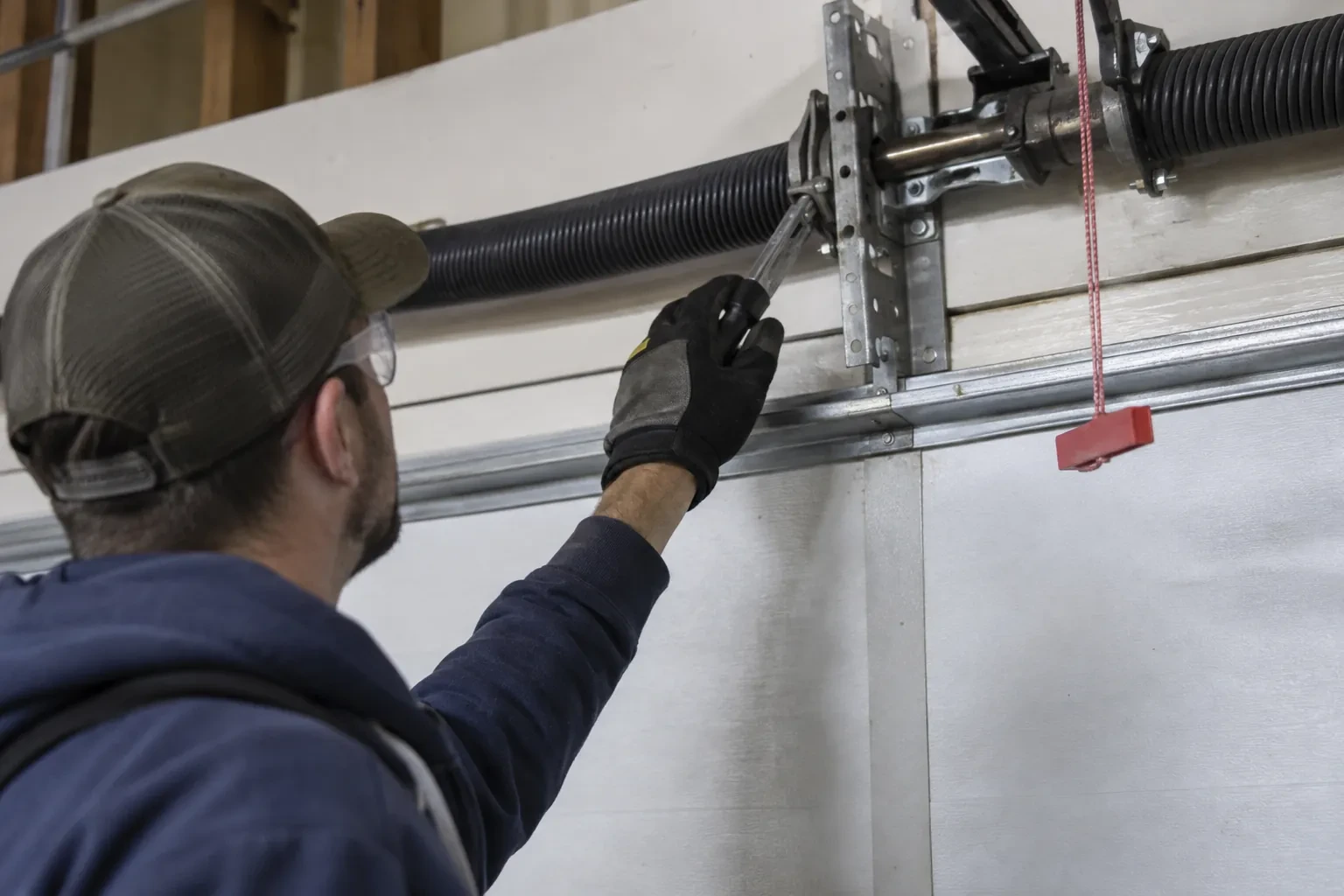
Door closed before anything is touched
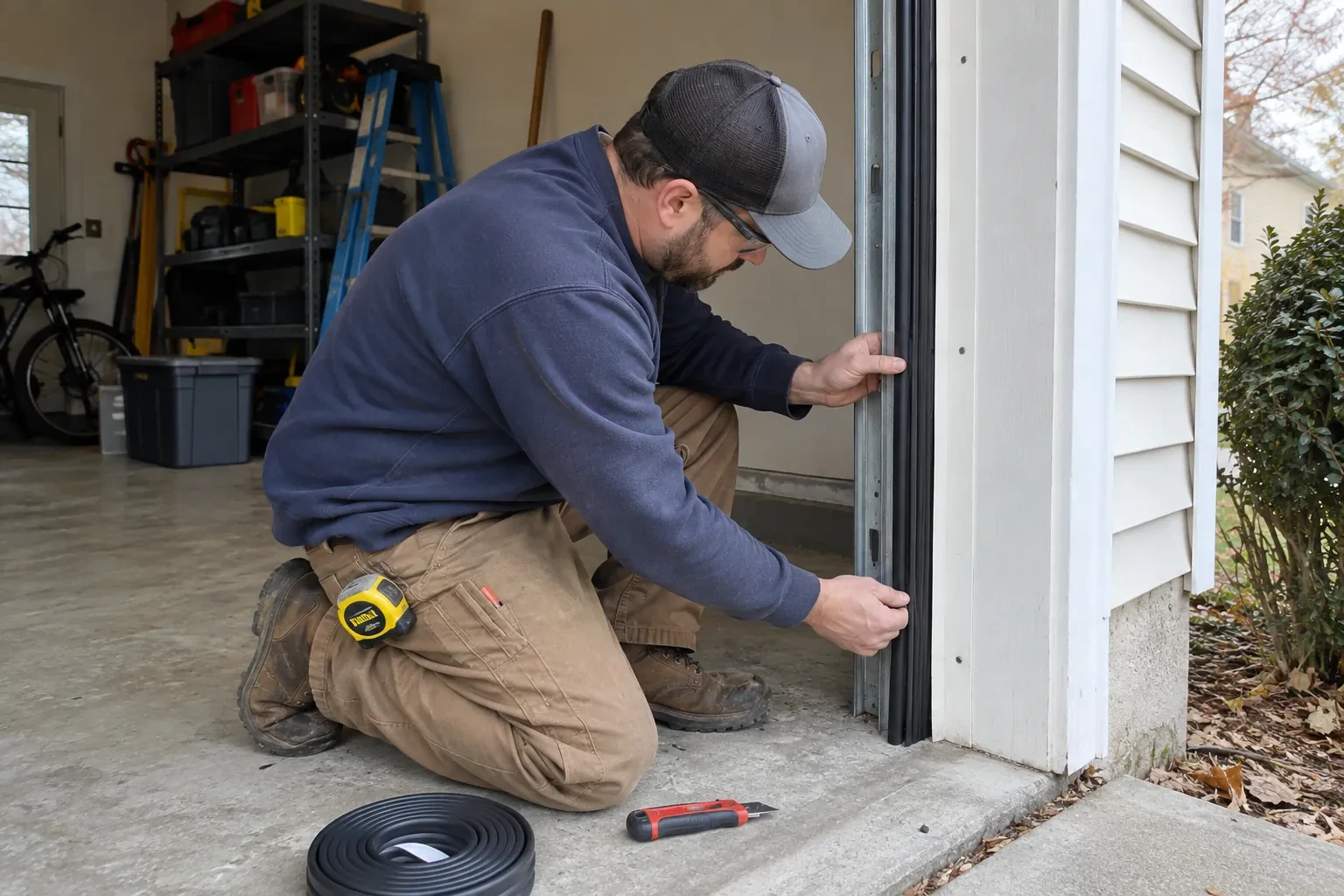
The first thing the technician does is get the door into a safe state. If it is closed, it stays closed while the release is examined. If it is stranded open or part-way, the door is supported and clamped, with the opener unplugged, before anyone reaches for the lever, because a door that is free of its opener is held only by its springs and an unbalanced one can move on its own. This is the same rule the industry checklist gives homeowners: disconnect with the door closed and keep the opening clear, since even a closed door can shift once free of the opener. Starting here keeps the risk low until someone decides to move the door.
Lever and spring on the trolley
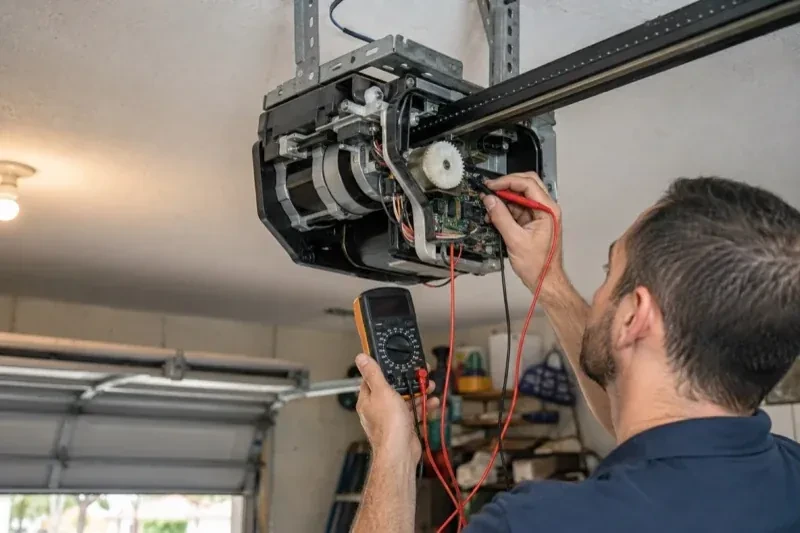
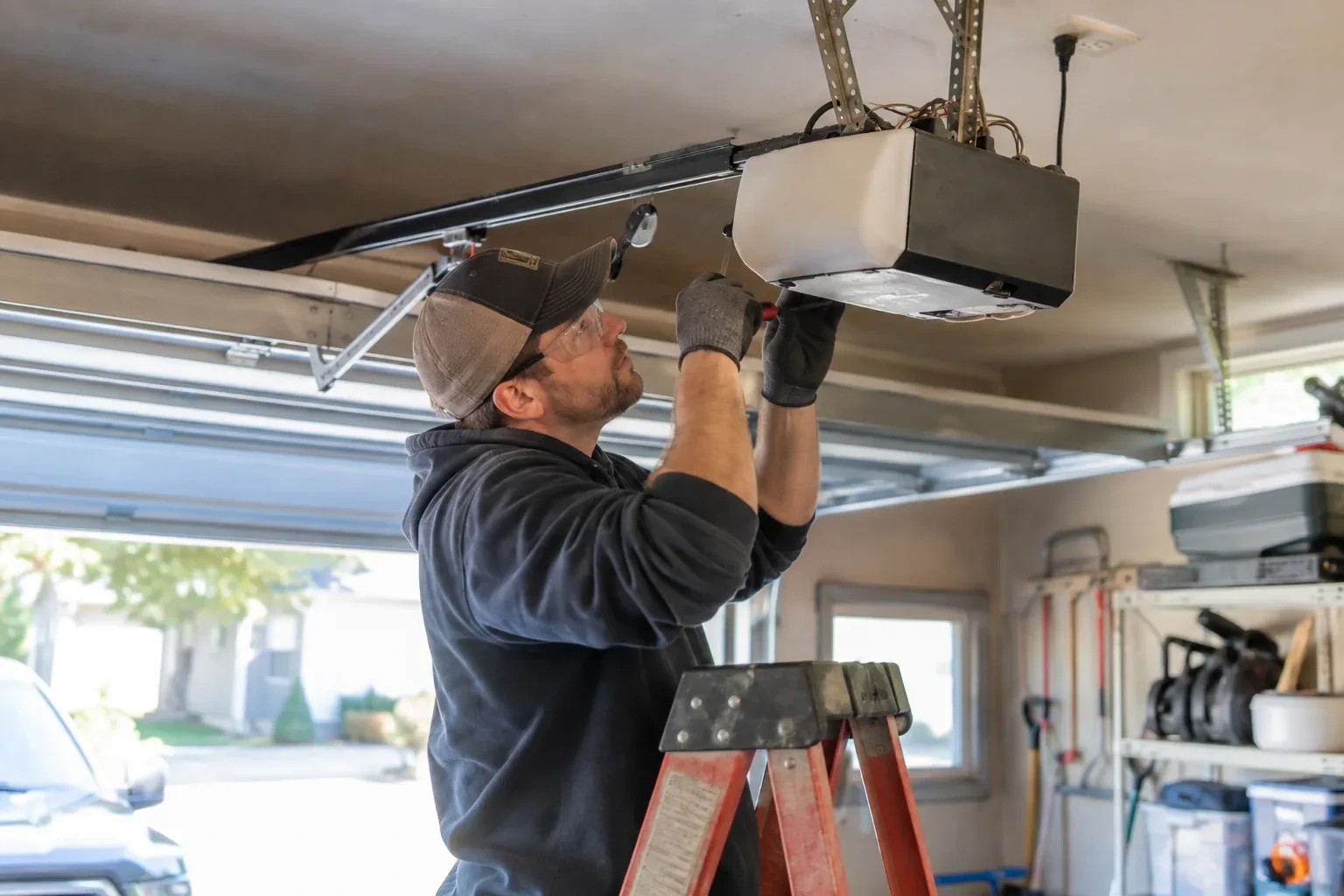
When the lever throws but will not return, or returns without latching, the fault is in the lever, its pivot pin or its spring. The technician removes the trolley cover, replaces the spring or the lever assembly with the part for that model, and checks that the lever swings cleanly from horizontal to vertical and back with a firm click. A bent lever is replaced rather than straightened, since the metal has already been stressed once. With the door closed the release is pulled and reset several times to confirm the trolley lets go and re-engages each time before the opener is run.
Manual use for more than a day
If an outage runs long, you know how to keep the door in manual mode without the trolley catching the door on its own. On rails where the cord is pulled down and then back toward the opener, the lever stays held out until you return it; on others the trolley simply stays free until the opener is run. Either way, the door is lifted and lowered by hand and a manual lock or slide bolt on the door keeps it shut overnight. When power returns, reconnect before pressing any button, so the opener never runs with the door lock engaged.
Emergency Release Repair
In the van
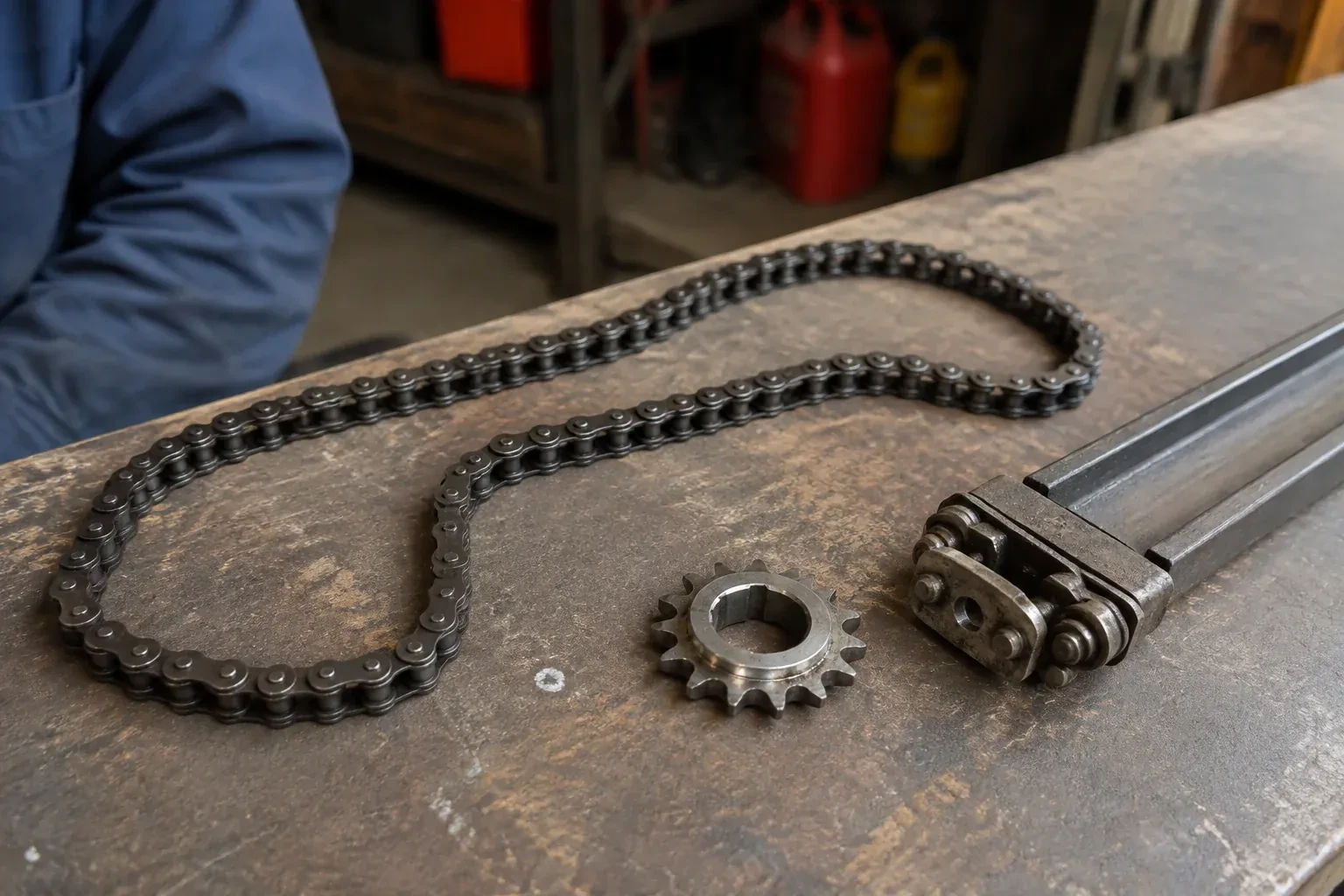
Chain or belt tension hardware
Release cable and clips
Rope and red handle kit
Dry lock lubricant and de-icer
Release lever and spring
Emergency Release Repair
What affects the quote
Travel and tension reset
Where the trolley was freed or swapped, the chain or belt is re-tensioned and the travel limits are reset, then the reversal tests repeated. That setup time is part of the job and shown as such.
Battery backup as an option
If outages are the reason you called, a battery backup pack for a compatible opener may be offered alongside the release repair. It is optional and appears as its own item.
Ceiling height and access
A standard garage puts the trolley in easy reach from a step ladder. High ceilings, a storage loft, a high-lift track or a car that cannot be moved add setup time.
What to have ready
- Has the door or the opener been replaced since the release was last used?
- Roughly how old is the opener, and can you read the model label?
- Is the red handle still there, or is only the cord left?
Emergency Release Repair: questions
QuestionsShould I test the release regularly?
Once a month is the industry rhythm for the door and opener, and the release fits into it. With the door closed, pull the handle, raise the door by hand to about halfway, feel that it moves freely and holds, then lower it and reconnect. It takes a minute and tells you two things: the release works and the door is balanced. Follow with the 2x4 and beam reversal checks so the whole system is proven together.
Where should I grip the door when lifting it by hand?
Use the door's own handles or the gripping points built into the panel face, on the inside and outside of the door. Sectional doors are meant to have them near the bottom section and again on the second or third section. Never take hold at the joint between two sections, which closes as the door bends around the track. If your door has no handles or they have been removed, the technician can fit a pair during the visit.
The outside release lock froze. How do I stop that happening again?
Salt spray and meltwater get into the keyway during a thaw and freeze overnight, the same way they do in a house lock. Keep the cylinder face clear of slush, give it a puff of dry lock lubricant before the cold sets in, and carry a small de-icer through the winter. A weather cap over the cylinder helps on a door that faces the road. The technician cleans and treats the cylinder as part of any outside release repair.