Garage Doors in Guildwood Village, OntarioButton, keypador phone.
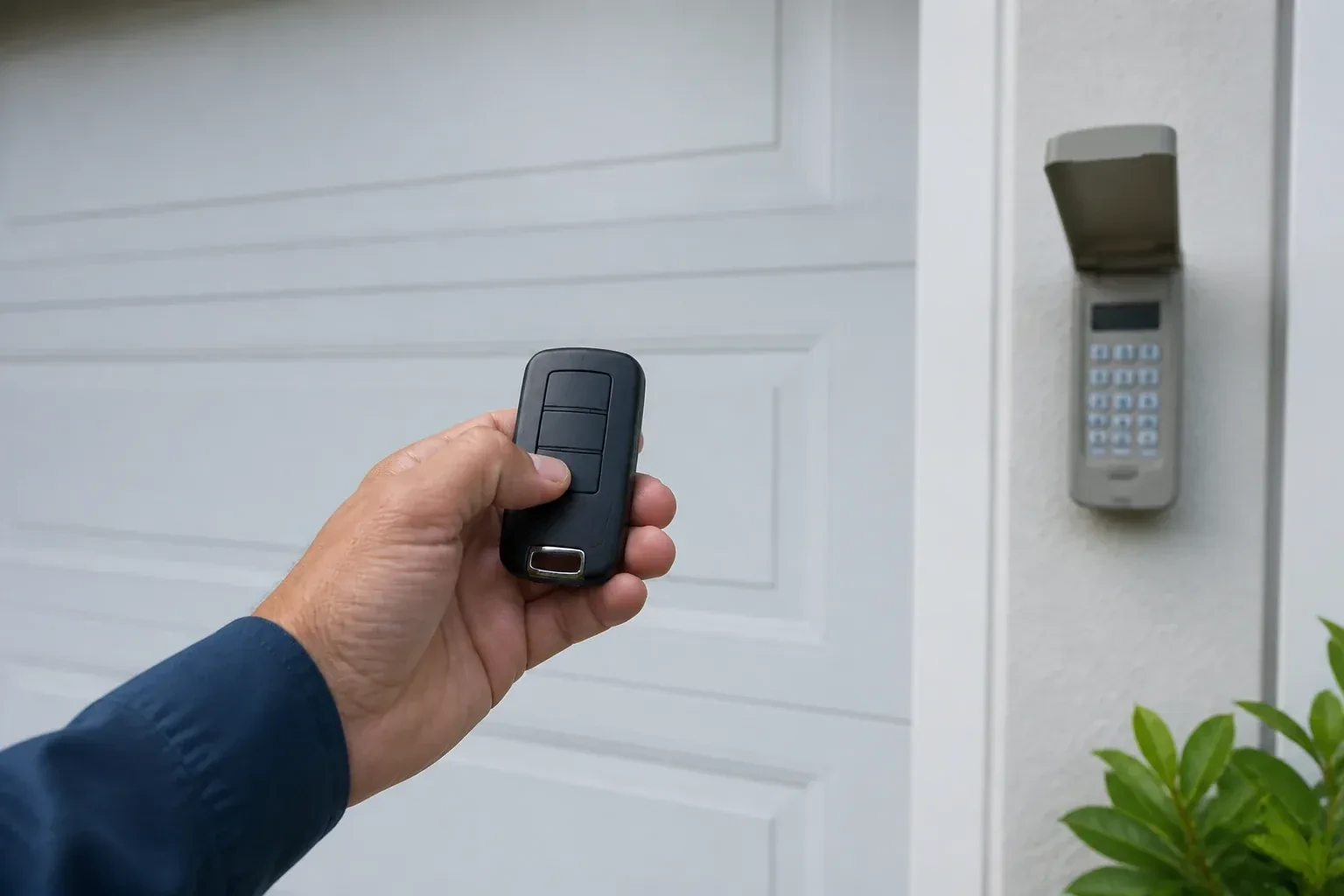
Some households in Guildwood Village want a keypad by the door for the kids, a second remote for the other car, and an app that says whether the door was left open. We set up each of those, walk you through them, and leave the paperwork so the next person can follow it too.
Some households in Guildwood Village want a keypad by the door for the kids, a second remote for the other car, and an app that says whether the door was left open. We set up each of those, walk you through them, and leave the paperwork so the next person can follow it too.
Open, close, repeat, for years.
We are careful about what we recommend in Guildwood Village. If a tune-up will do, that is what we suggest. If a spring is the problem, we replace the spring and check its partner. If the door is beyond repair, we say so plainly. Every recommendation is one you can watch us justify at the door.
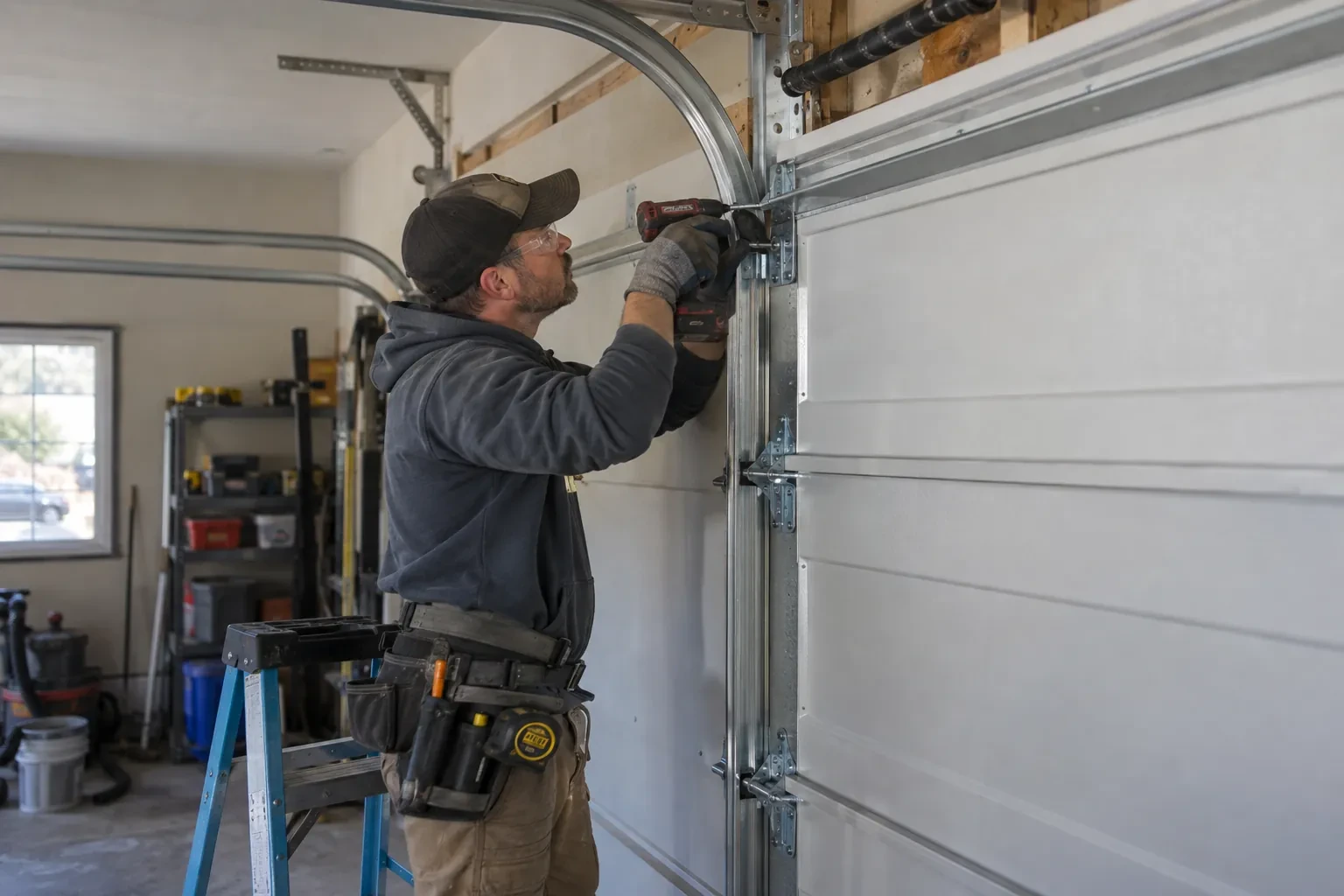
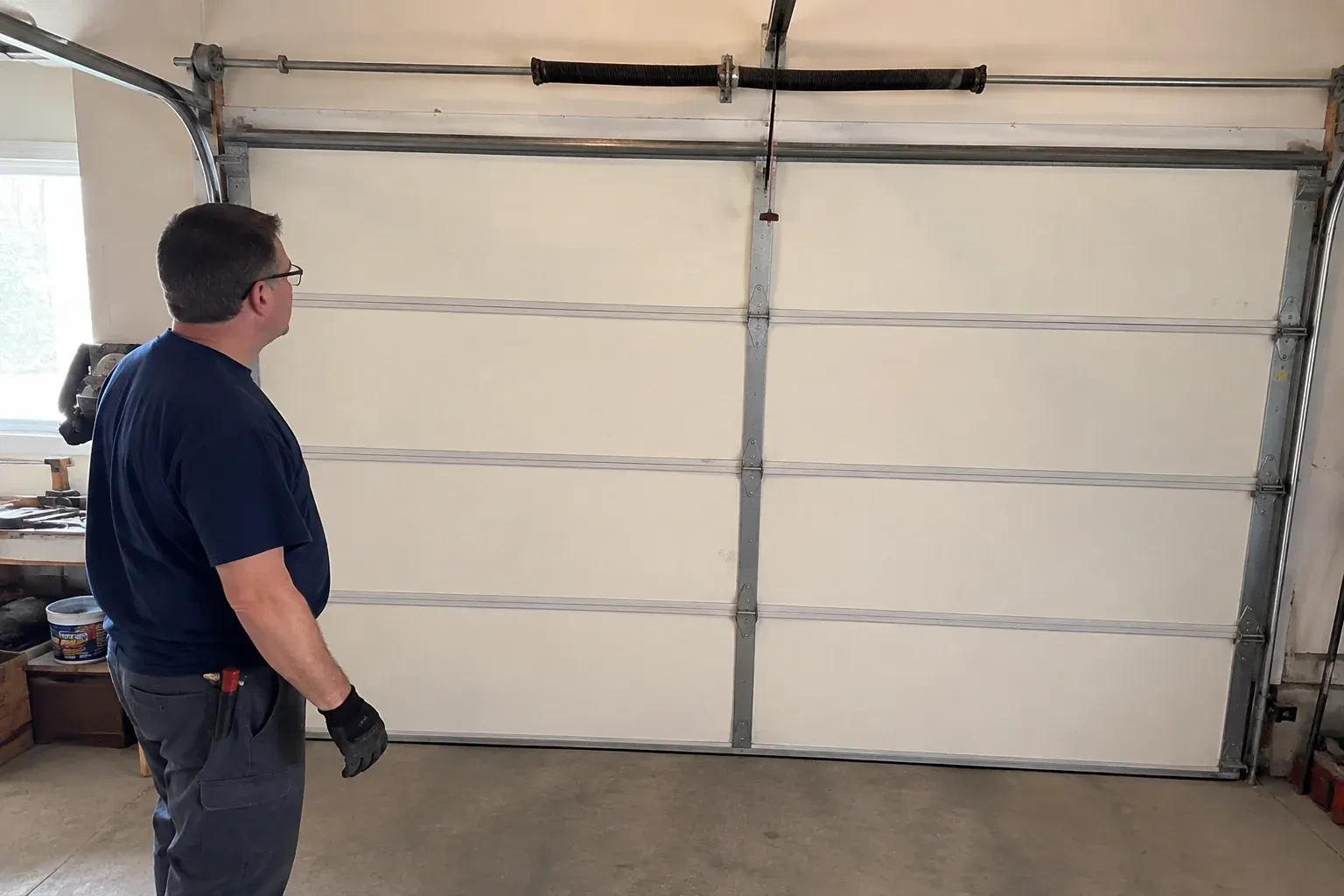
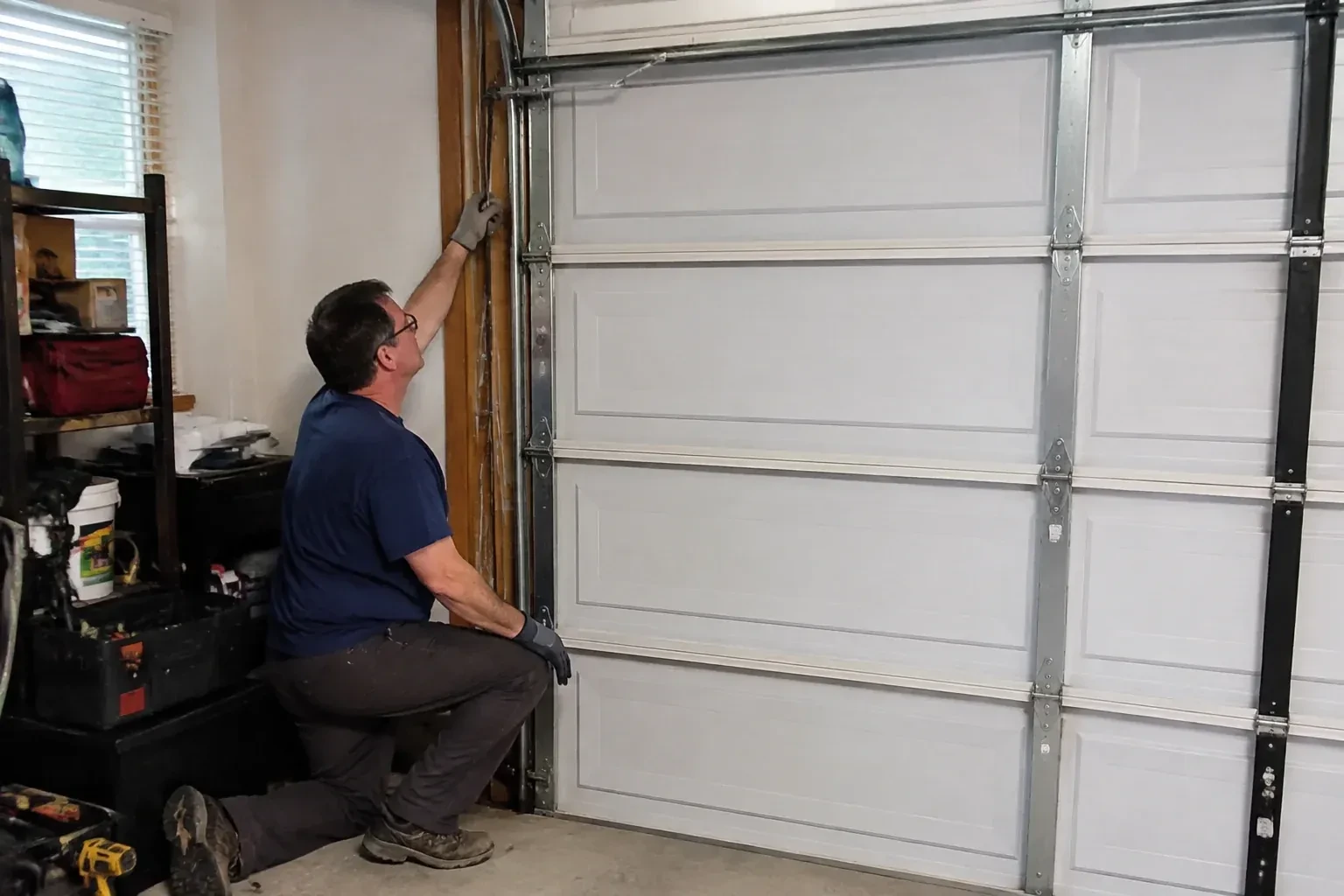
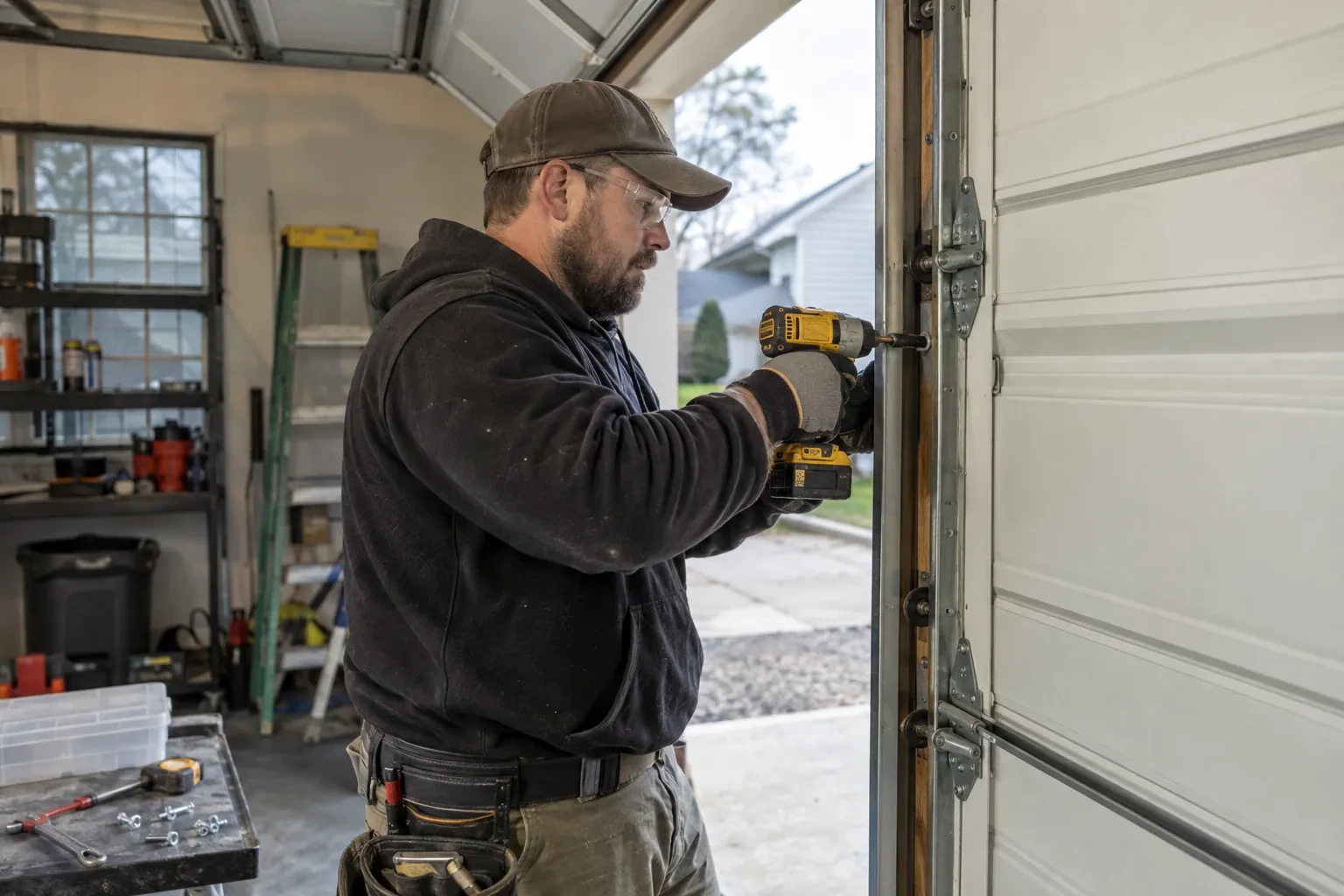
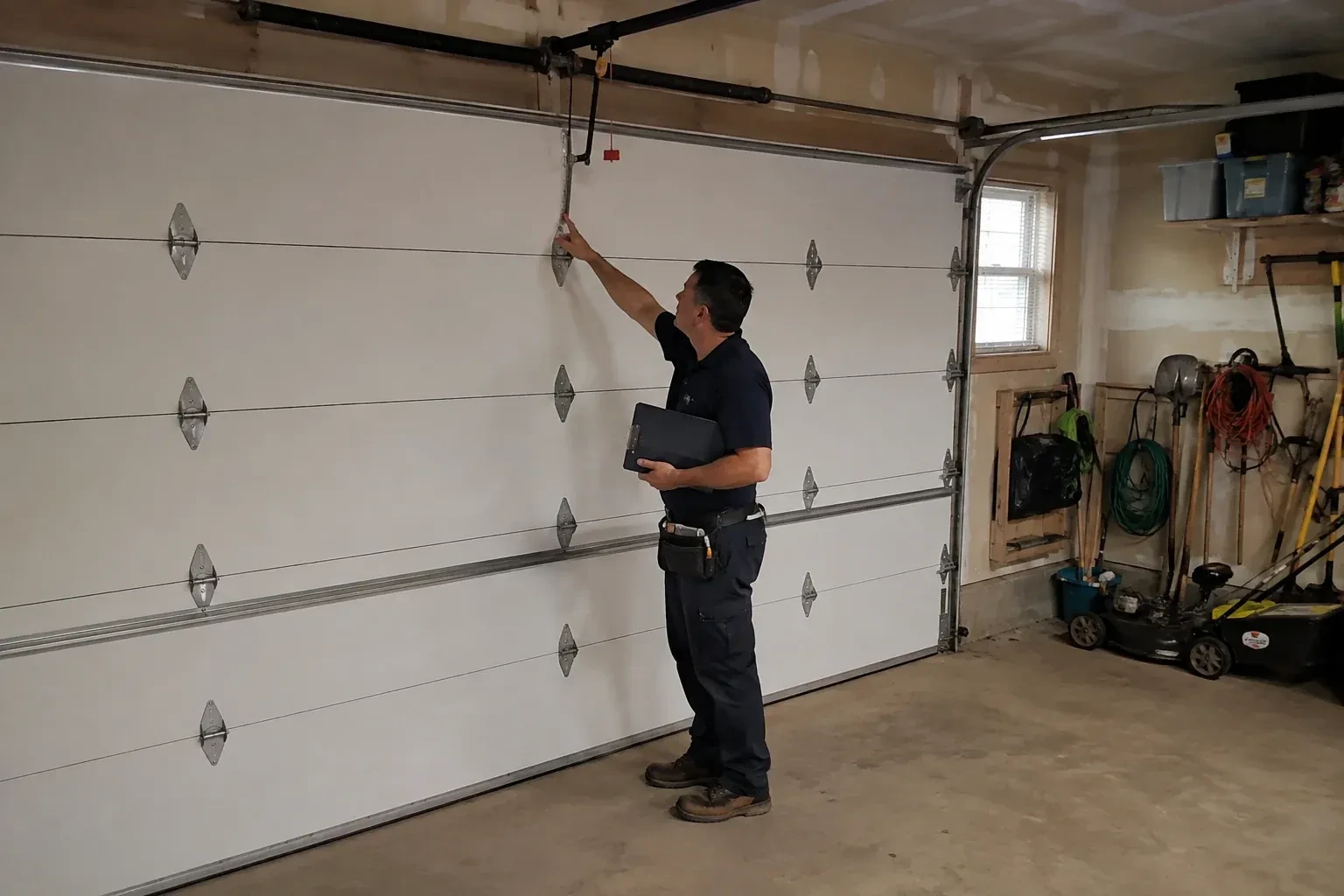
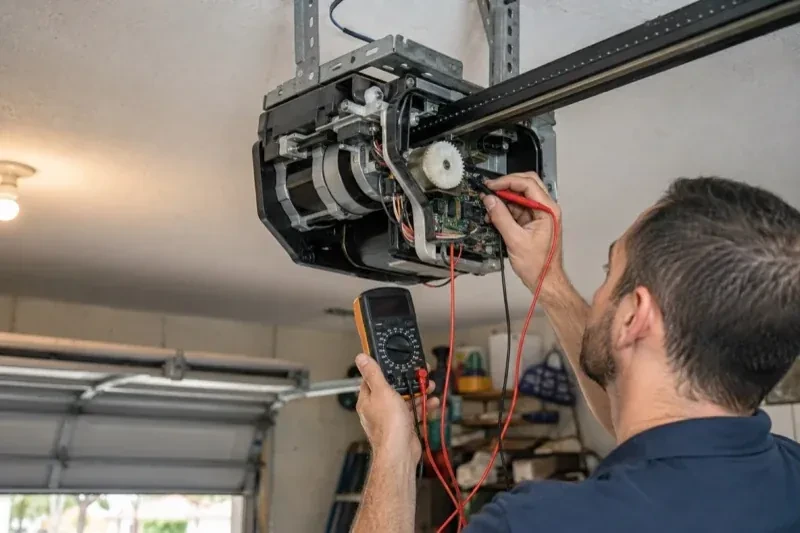
A garage door repair in Guildwood Village begins the way it does everywhere we work: with a full look at the door, top to bottom. Springs, cables, drums, rollers, hinges, track, opener and sensors are all checked, because a fault in one shows up as strain in another. Only then do we talk through the choices, plainly, and get on with the repair you decide on.
19years in business
24/7open every day
Questions welcome. Ask why a spring broke, what a roller does, whether the opener is worth keeping. Clear answers are part of the service.
Leaving it as we found it. Vehicles moved back, packaging removed, floor cleaned. The only change you notice is a door that runs properly.
Decisions made with the facts. We show you the wear, describe the choices and their consequences, and support whichever route you pick.
Talk to us about garage doors in Guildwood Village.
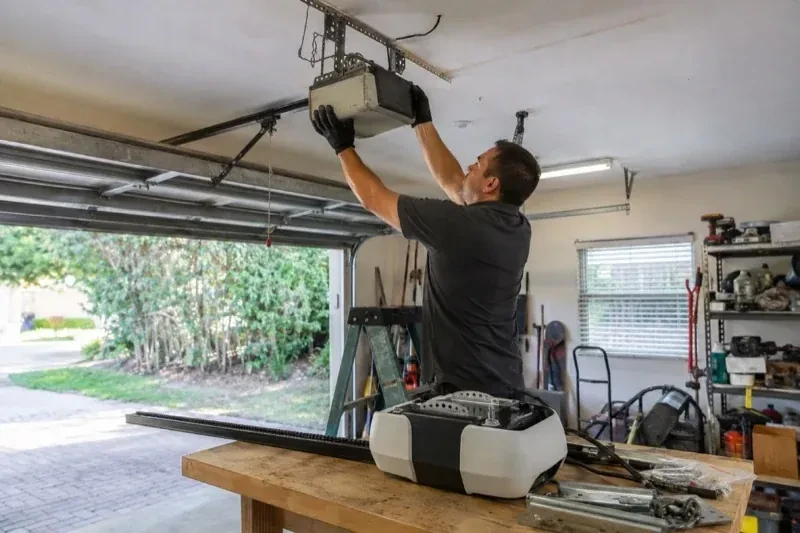
The services below are the ones we perform most often for garage doors in Guildwood Village. Springs and cables top the list, followed by opener repairs, roller and hinge replacement, seal and weatherstrip work, balance and safety adjustments, remote programming and, when the time comes, new doors.
About 58% of homes in Toronto were built in 1980 or earlier, according to the 2021 Census.
Older homes
Wiring in an older garage may be a single outlet on the ceiling shared with the light, so a new opener is chosen with that in mind, and a battery backup covers the door during a power cut. The technician looks at the outlet before recommending a unit.
Single-detached houses make up about 23% of homes in Toronto (2021 Census).
Where most residents live in attached homes, a technician's day includes coordinating with neighbours: parking the van without blocking a shared lane, keeping noisy work to reasonable hours, and finishing a door in one visit so the row is not disrupted twice.
Press the button and the opener hums for a second, then quits. The trolley is jammed hard against a bolt at the very end of the rail near the motor and will not budge in either direction.
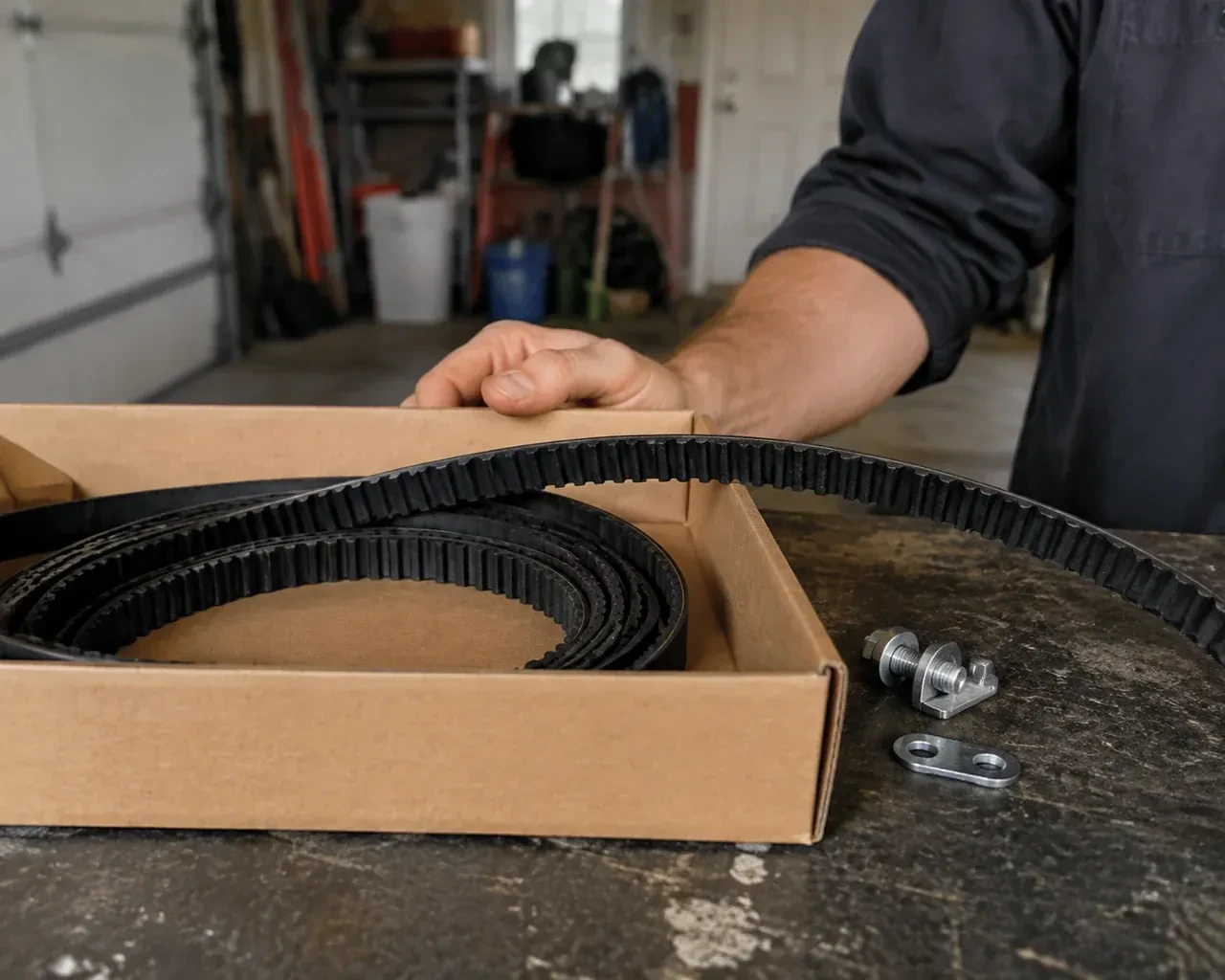
The door used to glide up with a soft hum. Now there is a sharp clack every second or so, and if you stand underneath you can see the belt sagging below the rail and slapping it on the way up.
During the ice storm the power was off for two days. You came home in the dark, found the door dead, and had to climb out of the car to pull the red cord in the cold.
Since shelving went up along the garage wall, the door will not close and both sensor lights are dead. A screw or staple may have gone through the thin wire that runs from the opener to the sensors.
Your daughter gets home from school an hour before anyone else. She has lost two house keys this year, and the garage keypad code has been shared with half her class.
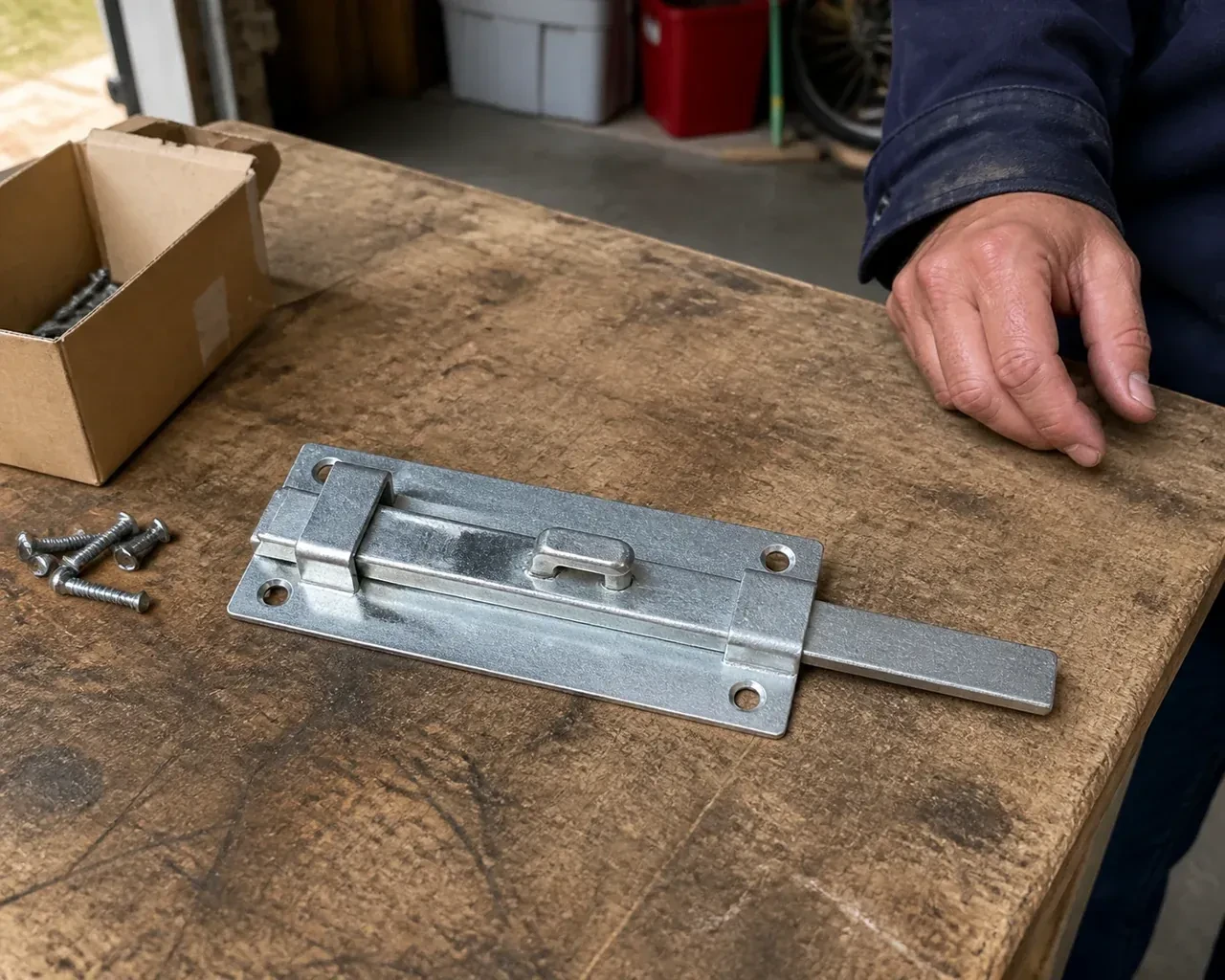
Your garage is detached and has no side door. The remote is dead, the keypad is dead, and the small round lock in the top panel is meant to be your way in.
Which fix fits?
Your car is inside and the door is stuck crooked across the opening.
WhyThe skill in this job is in the position of the fin.
Every morning the door announces itself: a rattle on the way up, a grinding squeal on the way down, loud enough that the neighbours know when you leave.
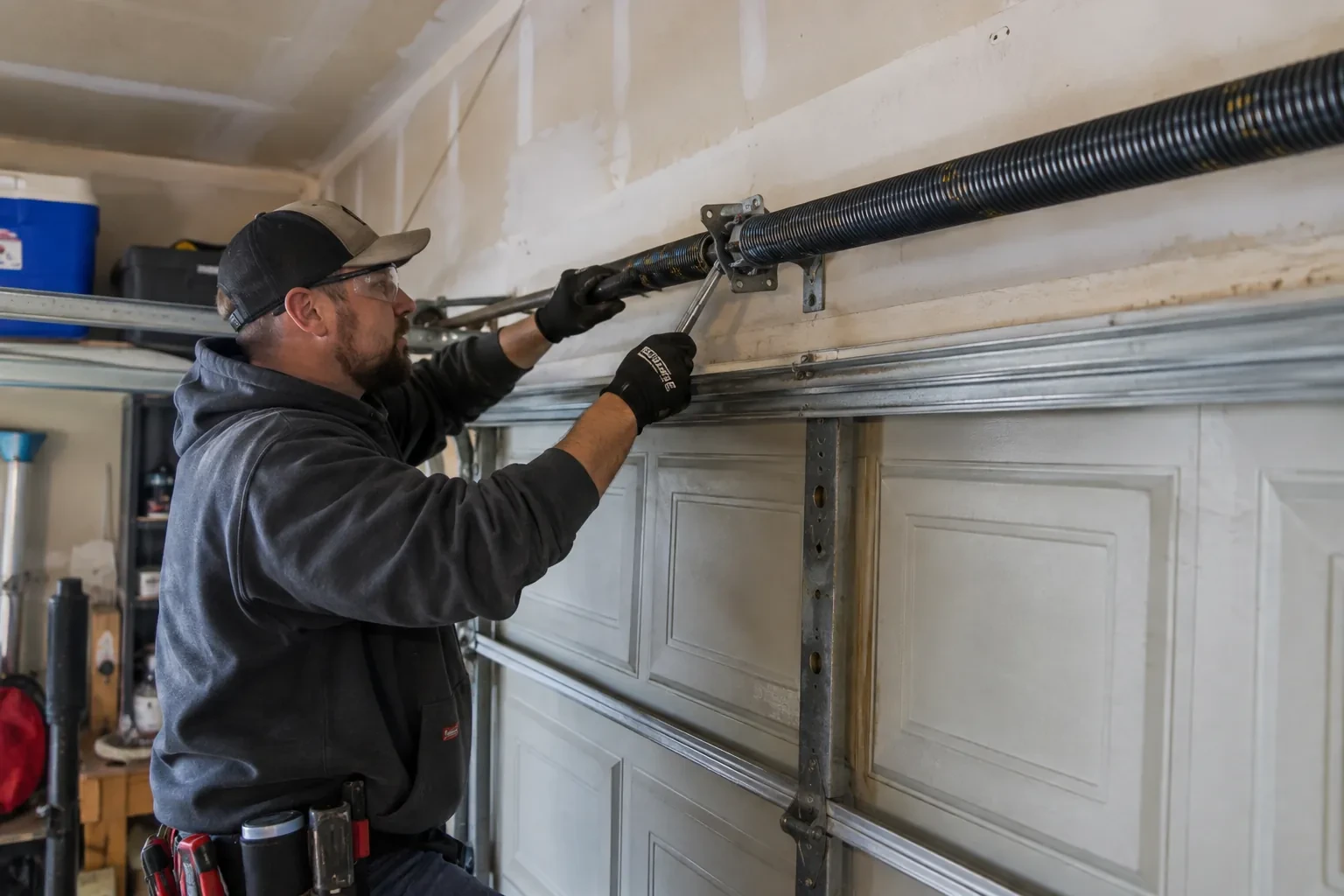
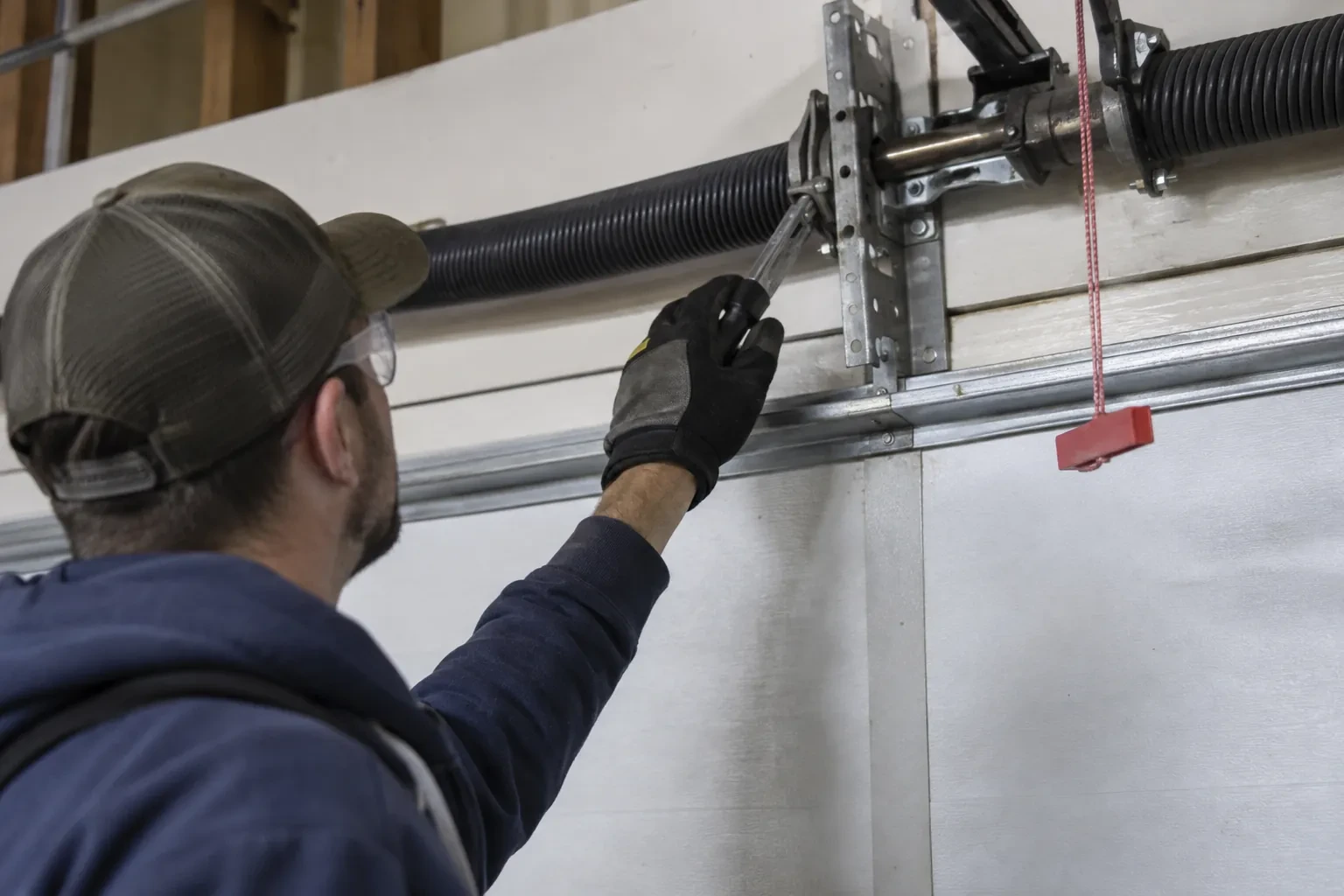
WhyGarage door cables carry the weight of the door as tension held by the springs, which is why the work follows a careful, well-rehearsed sequence rather than simply hooking a cable back on.
There is a new squeal from the front of the rail, up near the header, on every cycle.
WhyOlder openers set their code with a row of tiny switches inside the remote and the receiver, and once those remotes stop being made the door seems stranded.
Since the new door went in, the red handle has hung just below the ceiling, a stepladder's height above anyone in the household.
WhyA low ceiling, storage rack or beam does not automatically rule out an insulated sectional door, but it does make the track plan central to the job.
The build is nearing handover and the garage still needs its main moving component.
WhyOn a busy building project, this service provides a defined handoff between trades.
How a visit goes
Describe the property, the hardware and what has changed, and the visit starts from what you have seen.
01
Say what you noticed
A new noise, a hesitation, a gap at the bottom. Small observations point us to the right part before we even arrive.
02
Diagnosis you can follow
We show you what we find as we find it: the worn cable, the tired spring, the sensor out of line. No mystery about the cause.
03
Work done and shown
The repair is completed, the door tested through full travel, and the result demonstrated so you know exactly what changed.
An entrance. Not an afterthought.
1/10Off-Track Garage Door Reset
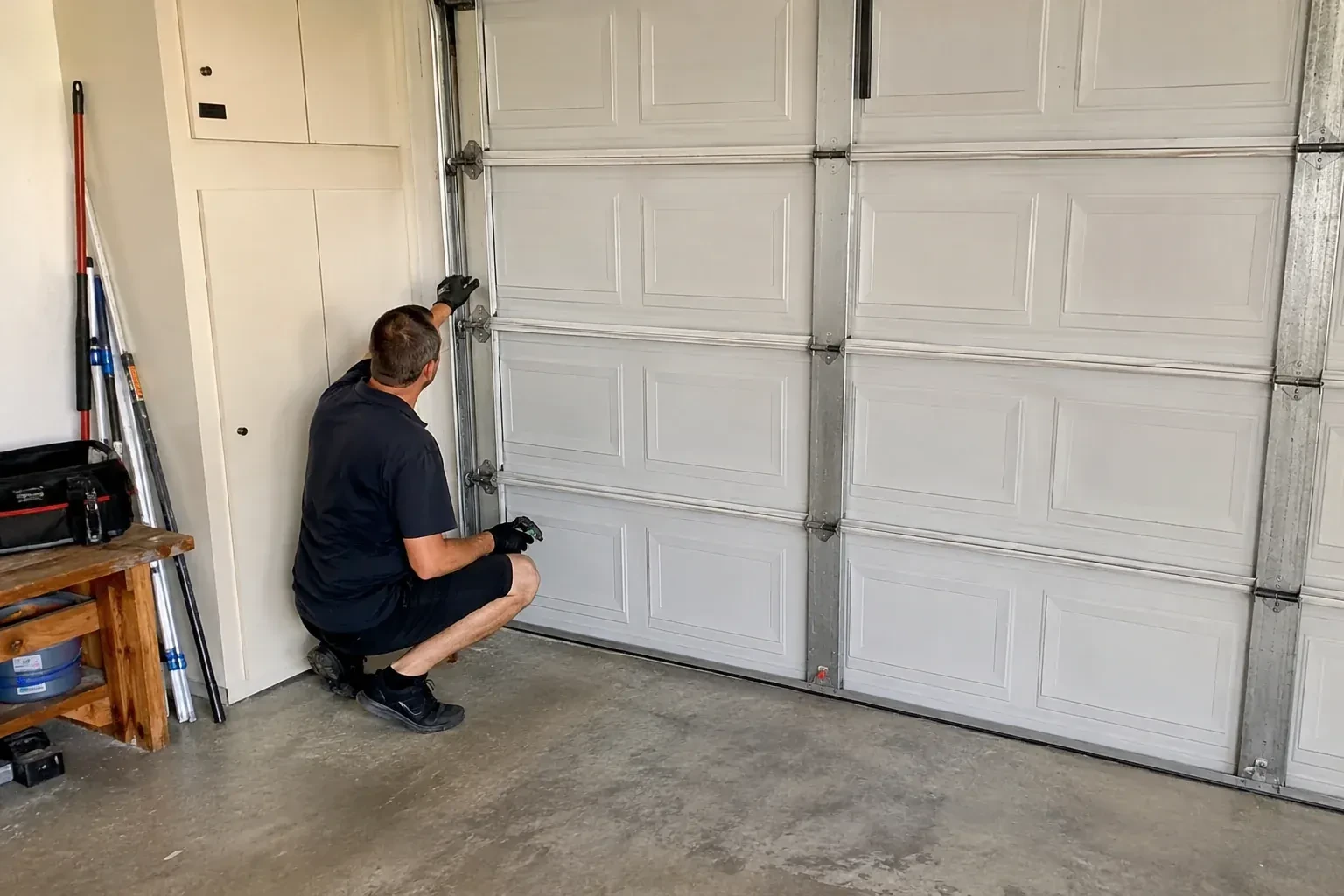
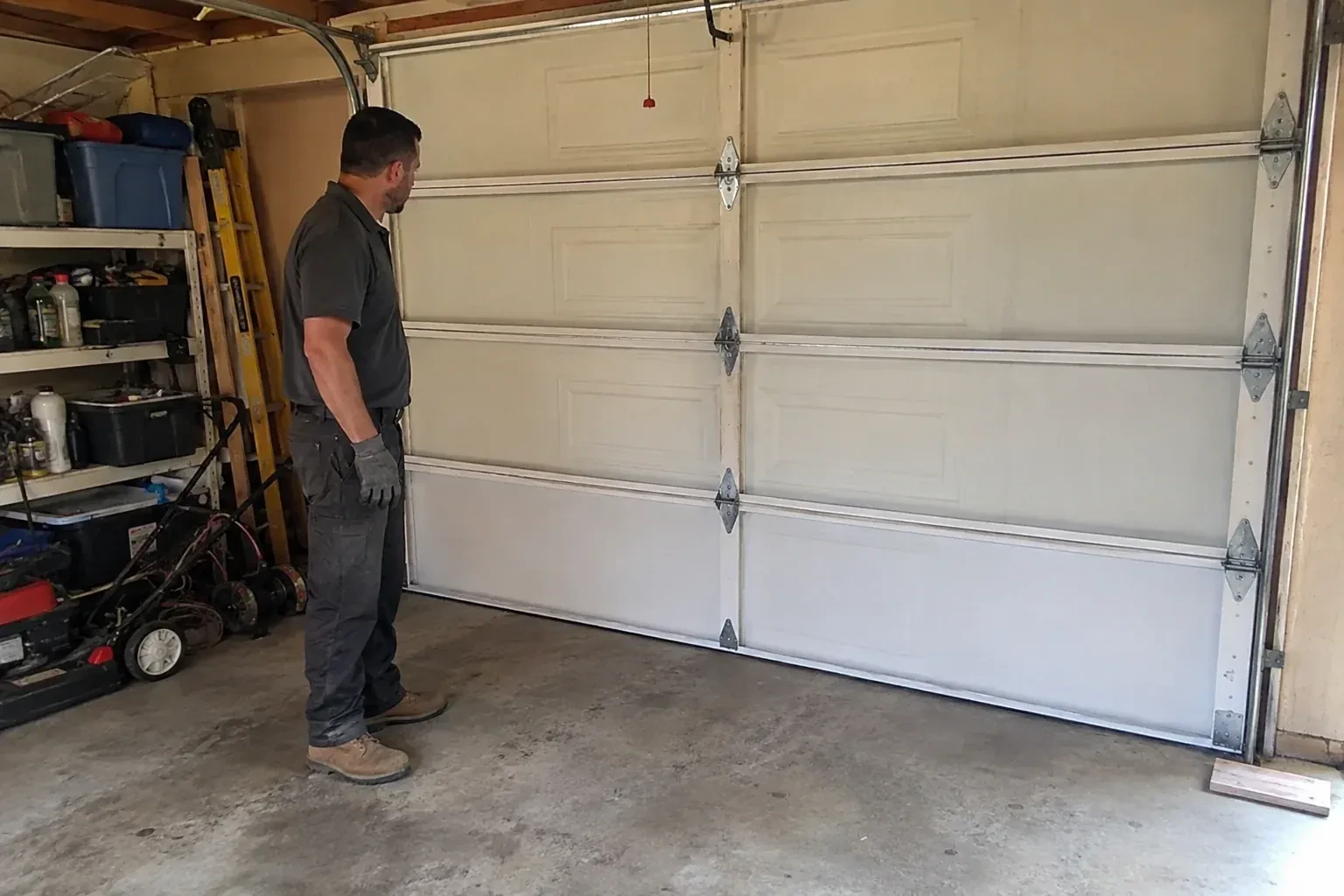
Your car is inside and the door is stuck crooked across the opening. Pushing the wall button just makes the motor hum, and one section is bent where a roller has climbed out of the curve at the top of the track.
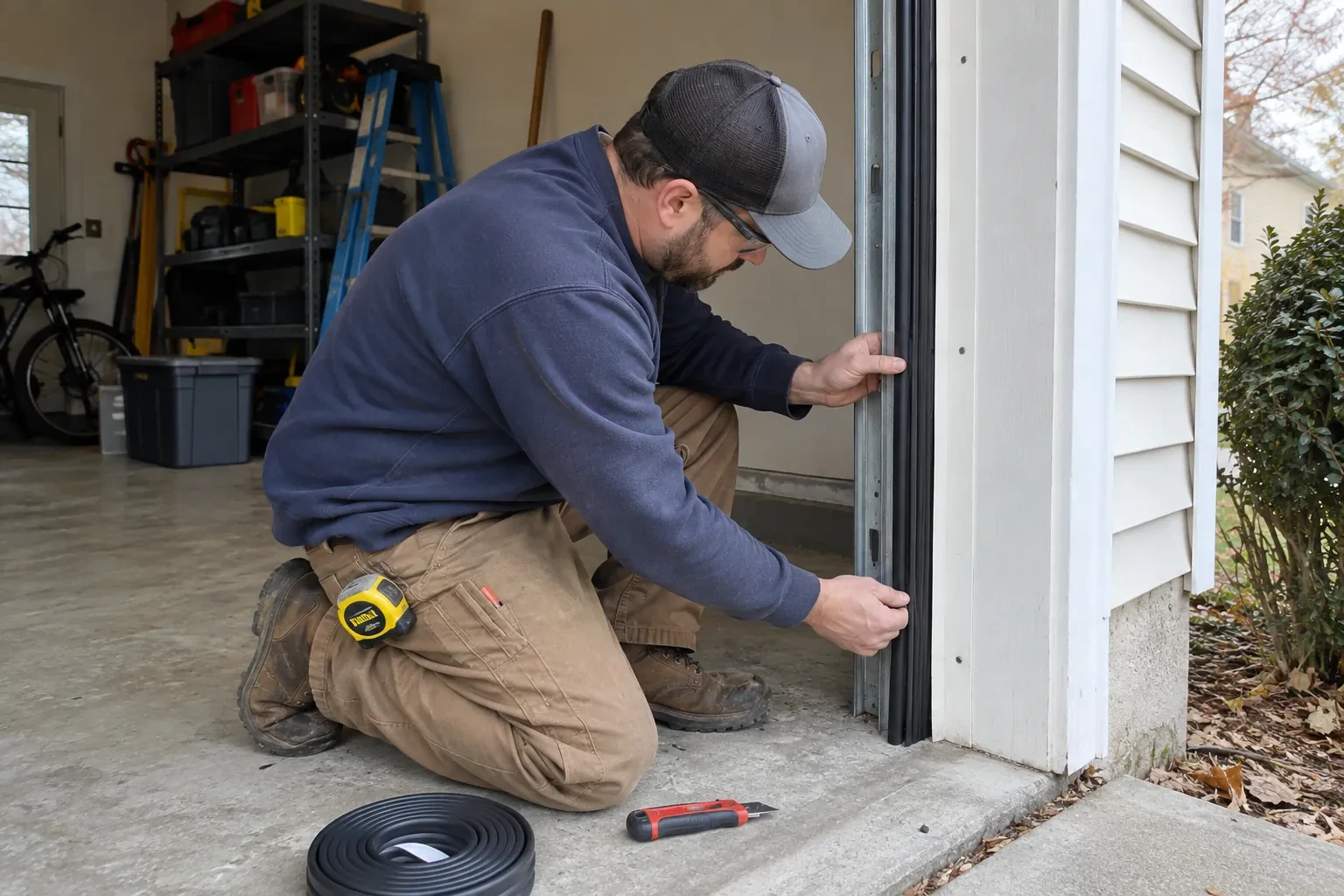
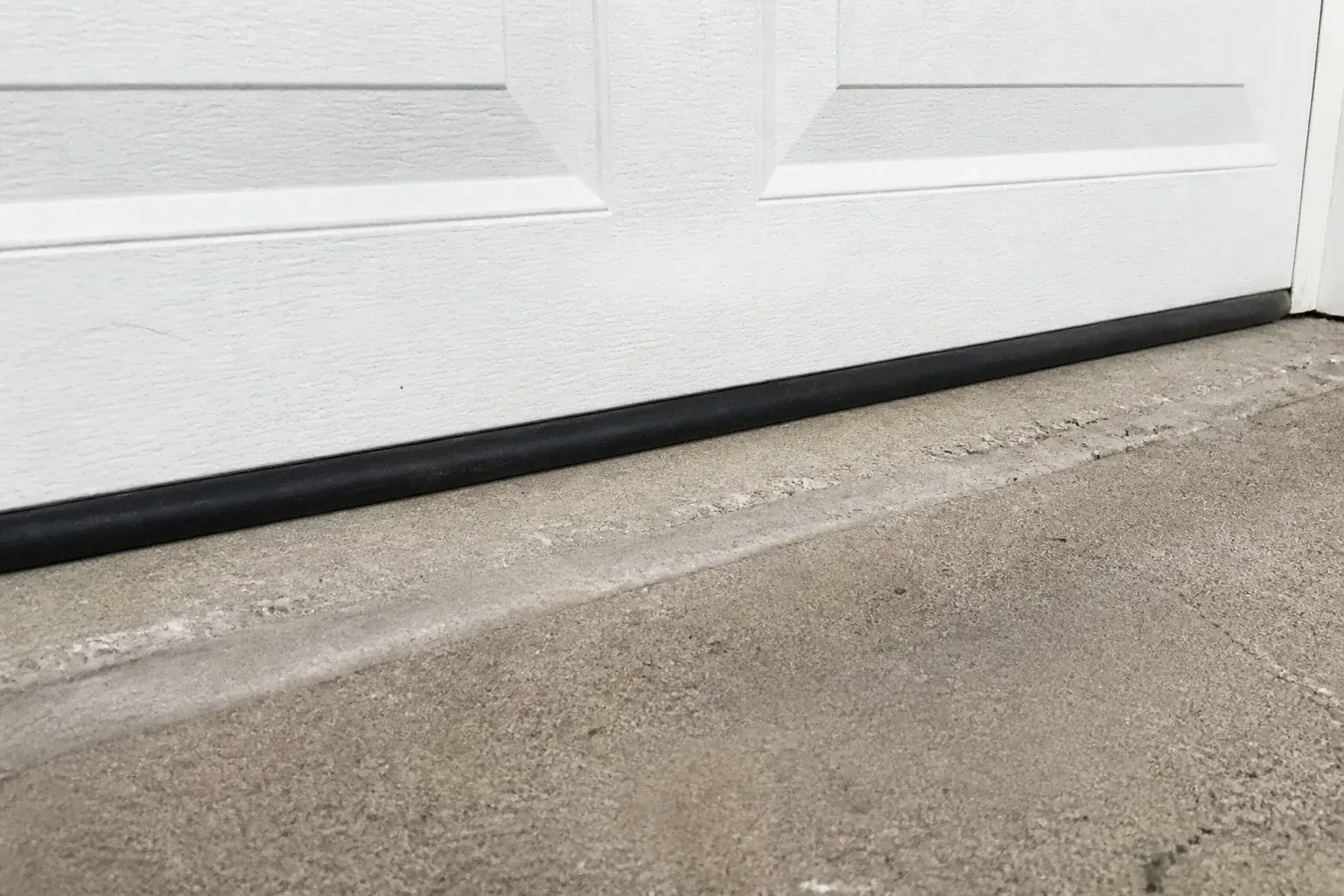
After a windy night there is a fine ridge of snow on the garage floor along one side of the door, and another across the top step. The door was shut the whole time; the snow came in around it.
Every morning the door announces itself: a rattle on the way up, a grinding squeal on the way down, loud enough that the neighbours know when you leave. A spray of lubricant settled it for a day or two, then the racket came back.
The door went up as usual this morning, then stopped a third of the way with one corner higher than the other. It is wedged at an angle in the opening, the opener is humming, and nothing you press will move it.
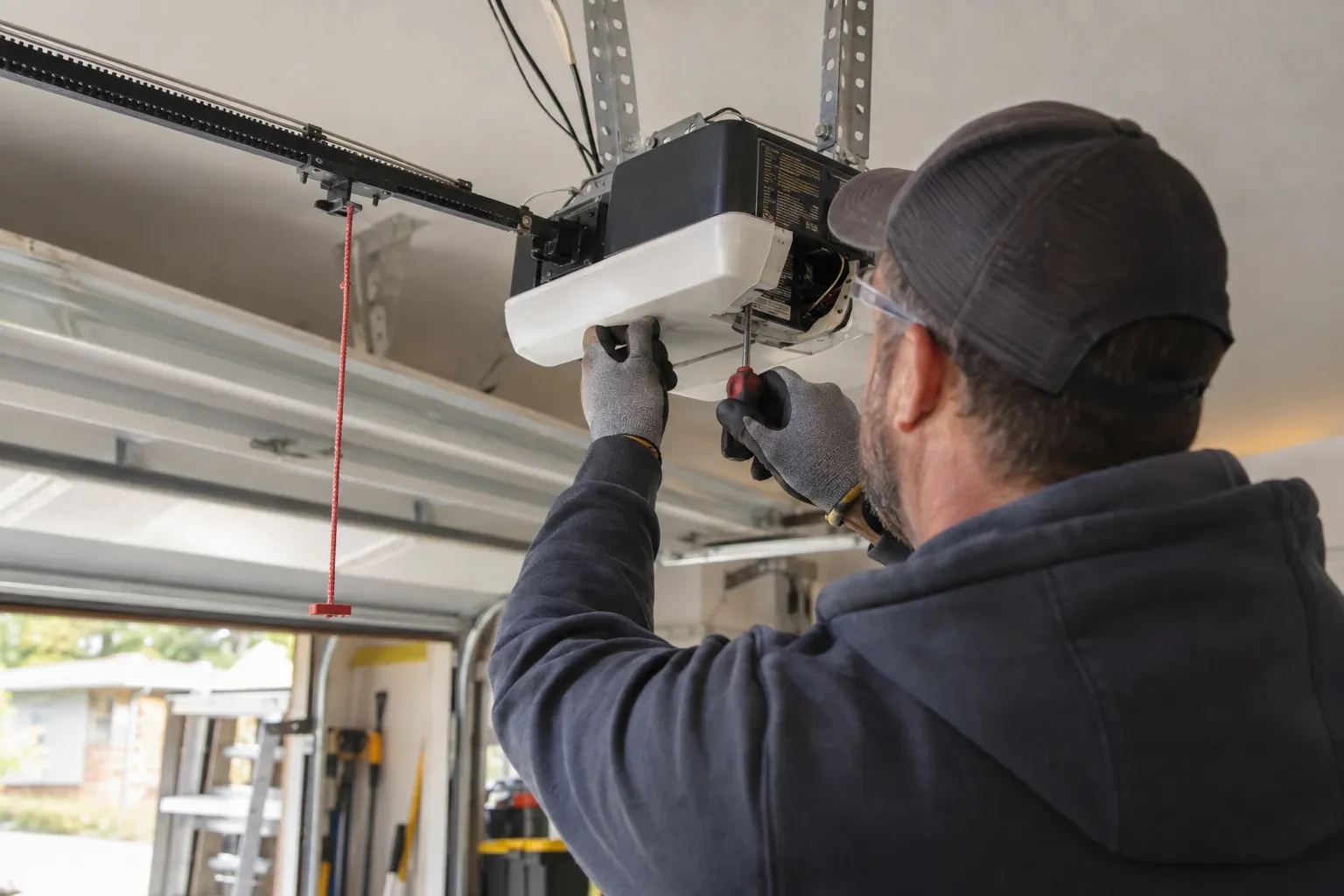
There is a new squeal from the front of the rail, up near the header, on every cycle. The belt has started tracking to one side and its edge is fuzzy where it has been rubbing.
During the ice storm the power was off for two days. You came home in the dark, found the door dead, and had to climb out of the car to pull the red cord in the cold. A door that keeps working through an outage is now on the list.
After the move, the previous owner's remotes are somewhere in another city and the keypad on the outside wall wants a code nobody wrote down. The wall button works. Nothing else does, and you have no idea who else can open your garage.
Since the new door went in, the red handle has hung just below the ceiling, a stepladder's height above anyone in the household. During last week's blackout your daughter stood under it with a broom, unable to hook it down.
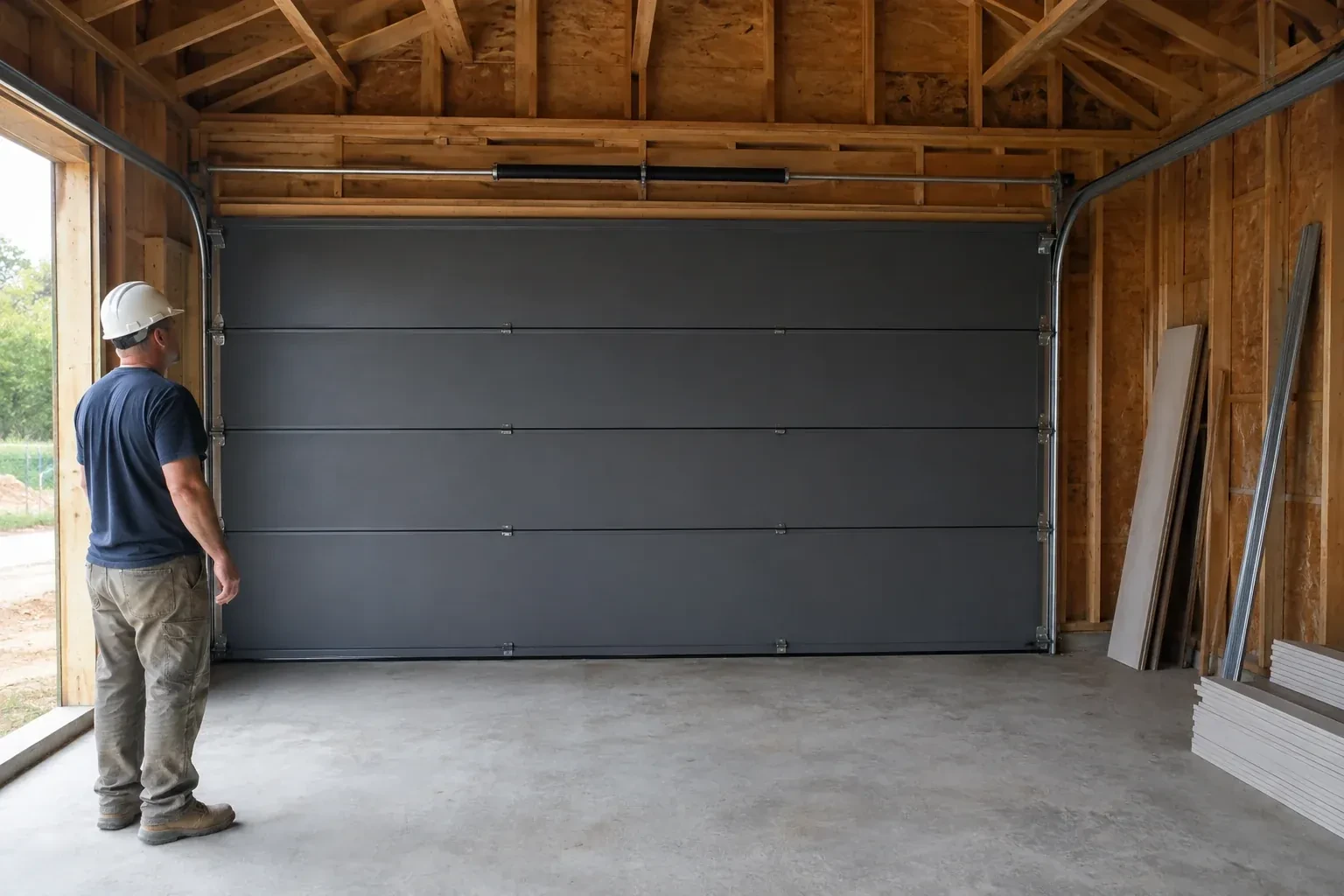
The existing door opens on old tracks that crowd storage near the ceiling. A replacement needs careful measurements for headroom, backroom and opener clearance before the new sections can travel properly.
The build is nearing handover and the garage still needs its main moving component. A balanced door, fitted seals, working controls and a clear set of operating instructions will complete the opening for everyday use.
Should I choose nylon or steel replacement rollers?
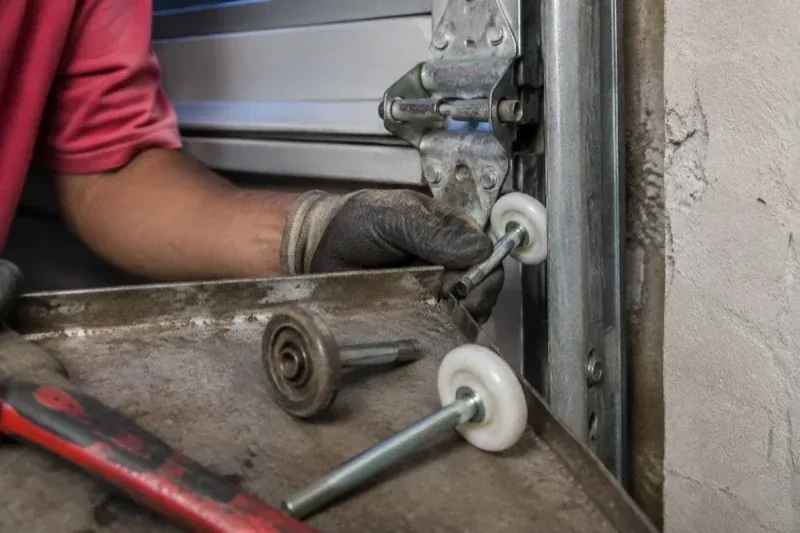
Both work when matched to the door. Steel rollers are durable and cope with heavy doors but run louder; nylon rollers with sealed bearings are noticeably quieter and need less attention, which suits an attached garage under a bedroom. What matters more than the material is the stem length and wheel size matching the hinges and track, and replacing all the rollers together so the door rides evenly on every one.
How can I tell the side and top seal needs replacing?
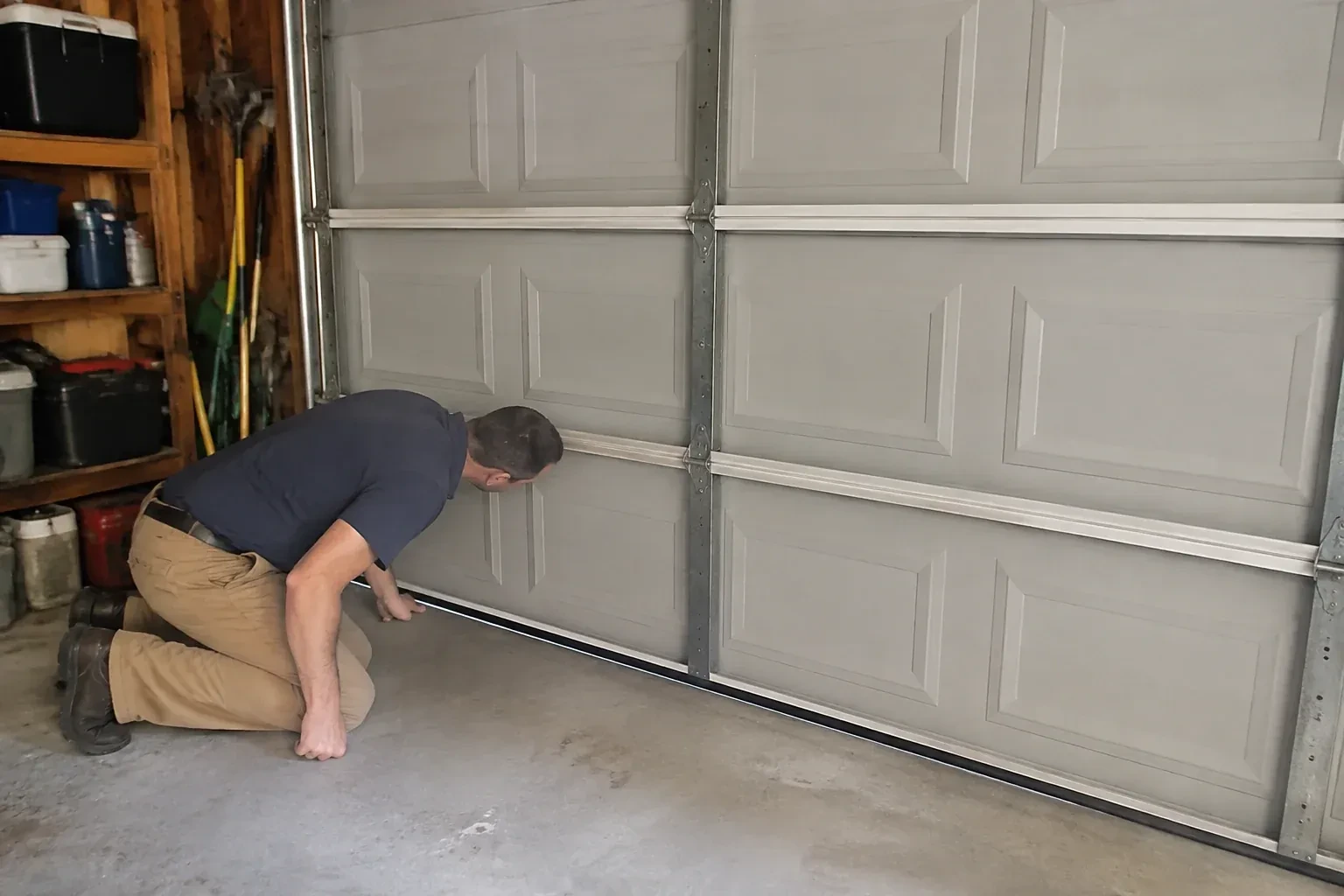
Close the door, turn off the garage lights and look along the edges for daylight. Then press the fin with a thumb: it should be soft and spring back. Hardness, cracks, pieces missing, a strip hanging loose, snow or leaves inside along the edge, or a fin that has folded under and torn are all signs. A rubbing squeal as the door moves is another.
How does the technician tell rollers from hinges or track as the cause?
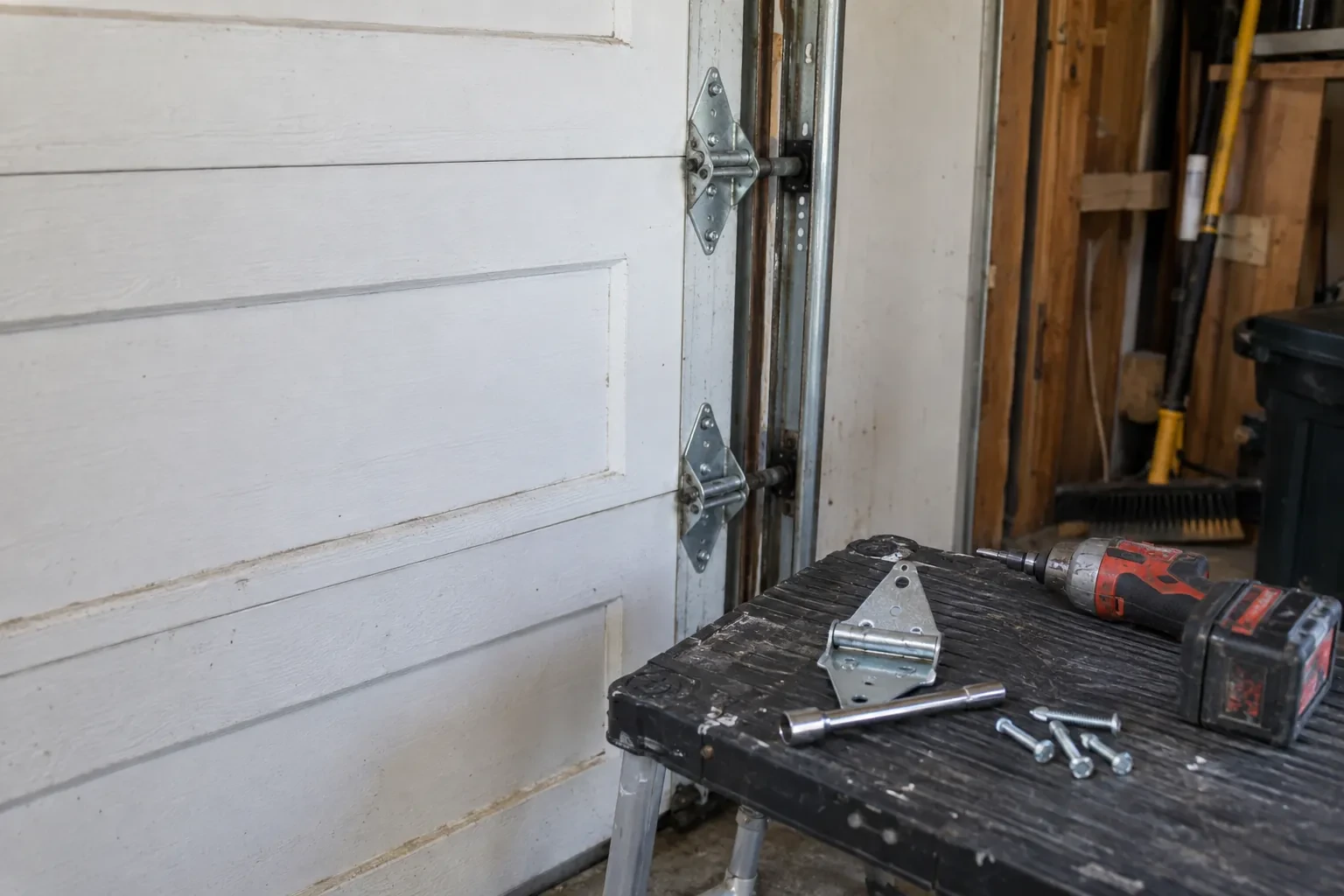
By watching where and when the trouble happens and then checking the parts in that spot. Rollers are spun and wiggled to reveal rough bearings and worn wheels; hinges are checked for cracks, elongated holes and loose bolts; tracks are checked for plumb, dents and spacing. A shudder at the curve tends to be rollers, a pop as sections pivot tends to be a hinge, and a rub the full height of the door tends to be track. Often more than one is involved, and the visit covers them all.
What stops the door from falling if a cable lets go?
It depends, and not reliably. The other cable and its spring may hold that corner so the door tips and wedges in the track rather than falling square, and the rollers binding can add some resistance, but neither is dependable: the door can still drop unexpectedly on the failed side. Some doors also carry a broken-cable device on the bottom bracket that grips the track if a cable fails. Because the door may not be held at all, the technician clamps and supports it before doing anything else.
What is the difference between belt-drive repair and opener replacement?
Repair keeps the operator you have and renews the piece of the drive that has failed: the belt, its tension, the trolley, the idler pulley or the gear and sprocket at the motor head. It suits a unit with a sound motor and board, photo eyes near the floor and rolling-code remotes. Replacement is the answer when the operator predates those features or when its board or motor has failed and is no longer made.
How do I test the safety reversal myself?
Two checks, once a month, each starting with the door fully open. For the first, set a scrap of 2x4 flat on the concrete where the door will land and press the close button; the moment it meets the wood it should climb back to the top. For the second, start the door closing and pass a broom or your arm across the low sensor beam; it should reverse just the same. Any hesitation means a small adjustment is due.
My opener has tiny switches inside the remote. Can I still get remotes for it?
Those are fixed-code openers from before rolling code, and their original remotes are often discontinued. Rather than hunt for old stock, an add-on rolling-code receiver is fitted: it wires to the wall-button terminals, plugs into the ceiling outlet and brings new remotes and a keypad with it. The opener must already have photo eyes at the floor; if it has none, a new opener is the sound recommendation.
Where should I grip the door when lifting it by hand?
Use the door's own handles or the gripping points built into the panel face, on the inside and outside of the door. Sectional doors are meant to have them near the bottom section and again on the second or third section. Never take hold at the joint between two sections, which closes as the door bends around the track. If your door has no handles or they have been removed, the technician can fit a pair during the visit.
Why are new springs selected for the replacement door?
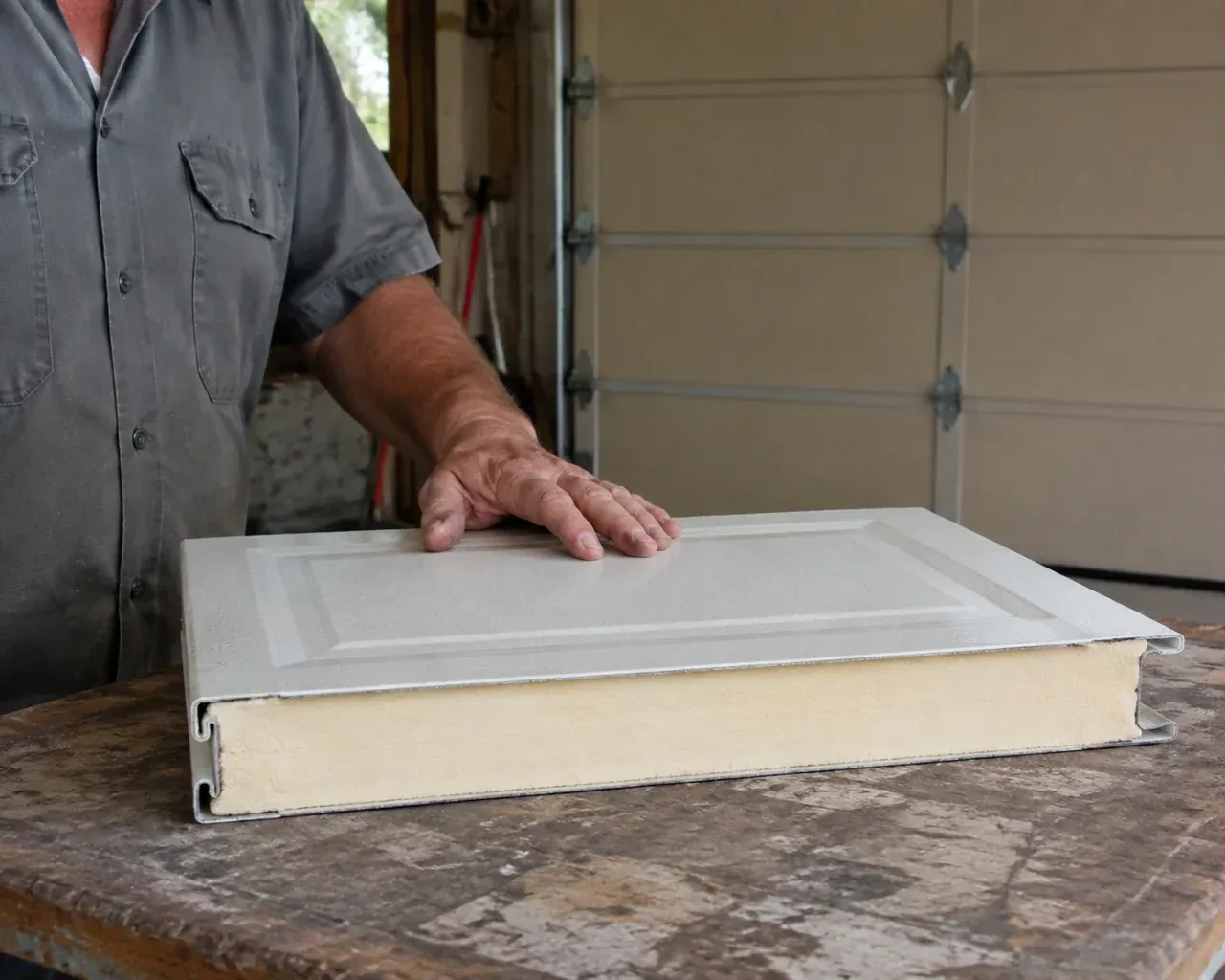
Counterbalance springs are chosen around the completed door's weight, height, track arrangement and intended travel. Insulation, steel skins, windows and reinforcement all contribute to that load. A spring combination from a different assembly may provide unsuitable torque even when it physically fits. Matching the counterbalance to the ordered door supports manageable manual movement and orderly cable travel.
What electrical preparation does a garage door operator need?
Preparation commonly includes a receptacle near the planned operator, a suitable mounting location and routes for the wall control and photoelectric sensor wiring. Exact electrical requirements follow the chosen equipment and project electrical design. Coordinating locations before drywall helps keep wires clear of tracks, springs and moving sections. The electrical trade and door installer should also agree who completes connections and when power becomes available for commissioning.
Request a visit
We are careful about what we recommend in Guildwood Village. If a tune-up will do, that is what we suggest. If a spring is the problem, we replace the spring and check its partner. If the door is beyond repair, we say so plainly. Every recommendation is one you can watch us justify at the door.