Openers · Guildwood Village
Garage Door Remote and Keypad Programming in Guildwood Village
The remote opens the door only when you are almost underneath it.
In plain words
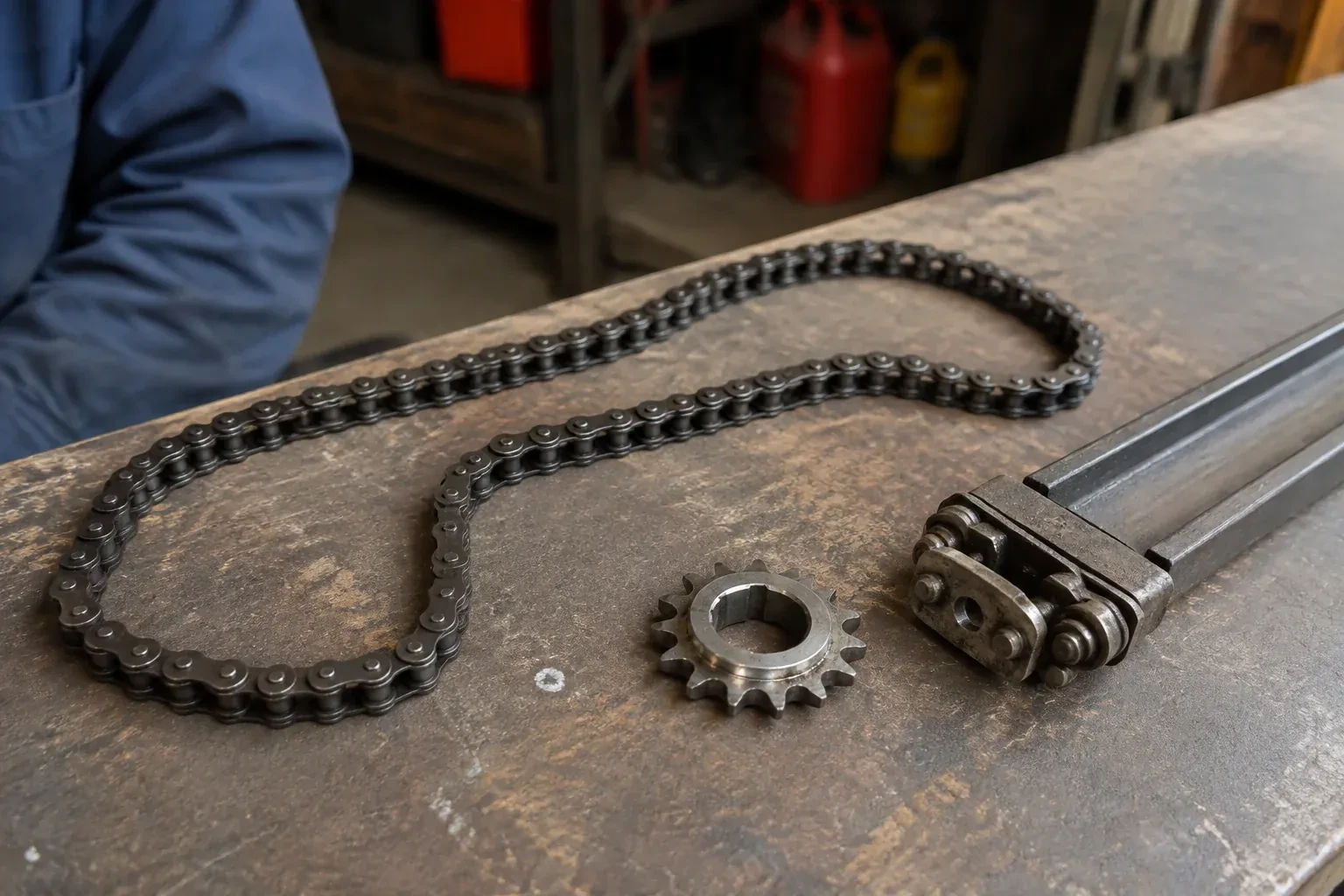
Older openers set their code with a row of tiny switches inside the remote and the receiver, and once those remotes stop being made the door seems stranded. It is not. An add-on receiver wires to the same two terminals as the wall button and plugs into the ceiling outlet, giving the old motor a modern rolling-code radio along with new remotes and a keypad. The door mechanics stay as they are, provided the opener already has photo eyes near the floor. Where it has none, the conversation turns to a new opener, and the reasons are explained plainly.
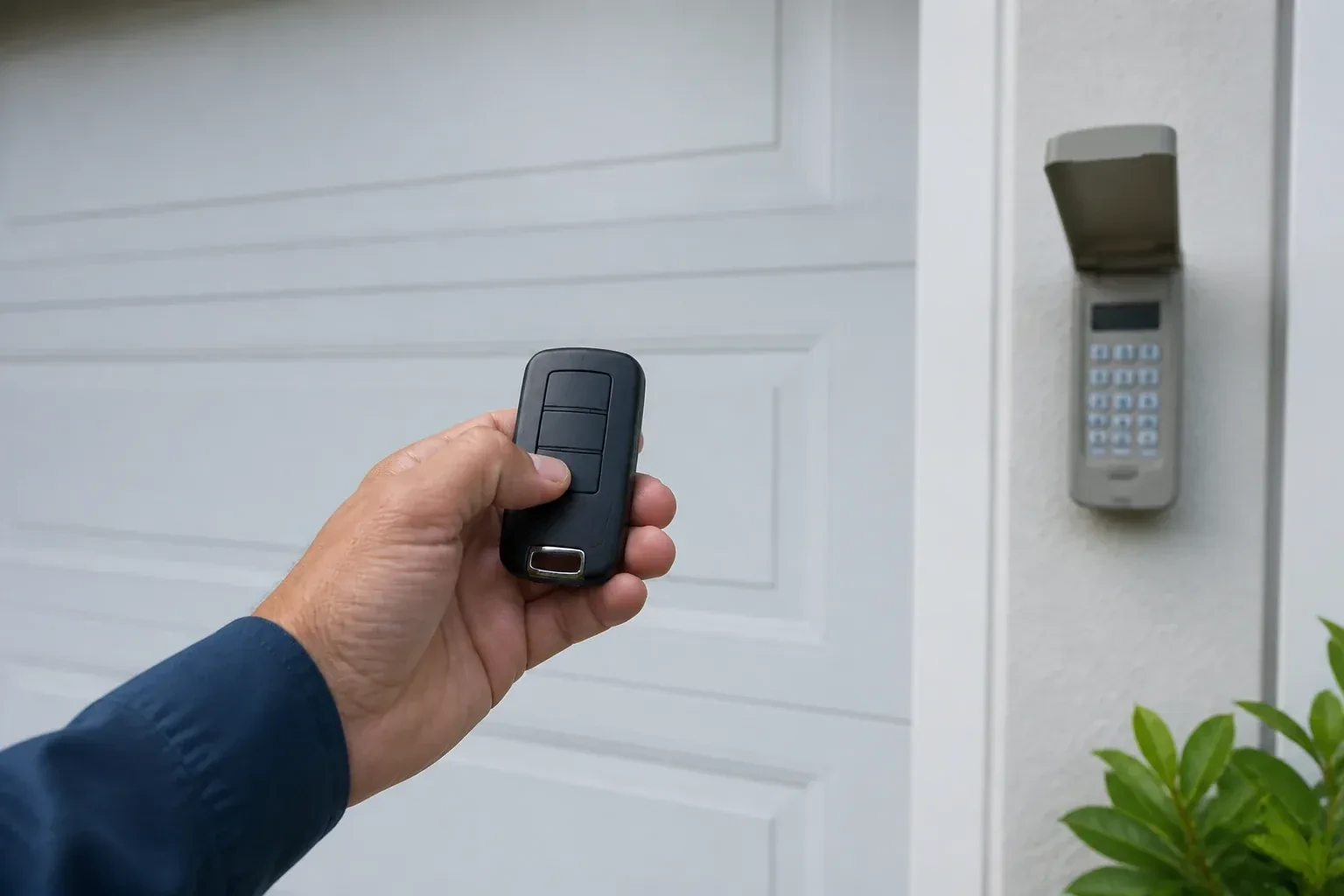
How the visit goesAfter the move, the previous owner's remotes are somewhere in another city and the keypad on the outside wall wants a code nobody wrote down. The wall button works. Nothing else does, and you have no idea who else can open your garage.
Garage Door Remote and Keypad Programming
How the visit goes
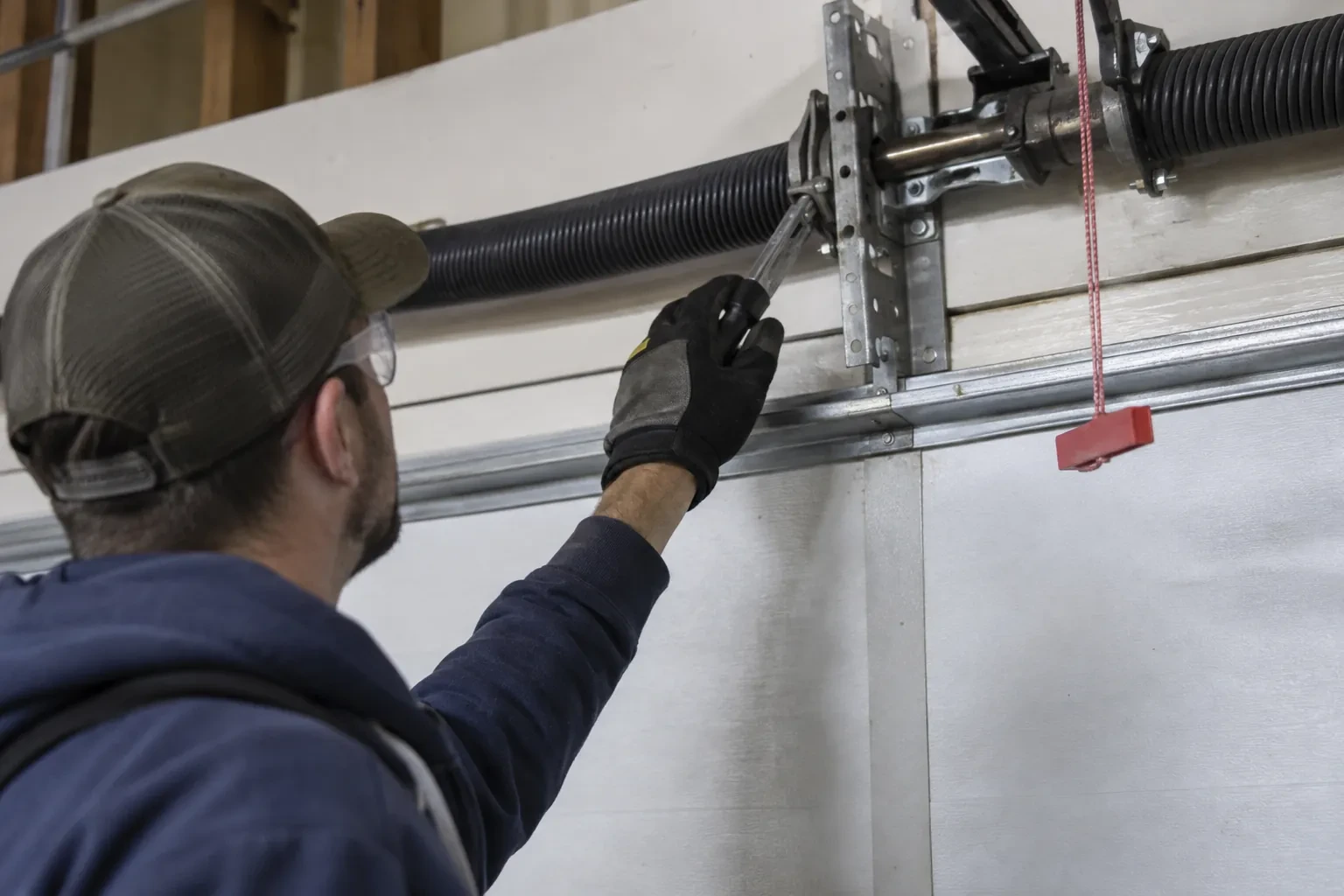
Batteries and contacts before anything else
A surprising share of dead remotes are simply hungry. The technician opens each remote and keypad, reads the cell type printed inside, and checks voltage and contacts. Coin cells lose strength gradually, so a remote that works only up close is often on its last legs rather than out of range. Outdoor keypads run on small cells that sag in the cold and on contacts that salt spray and condensation corrode over a few winters. Fresh cells of the specified type and a cleaned contact are fitted before any programming attempt, because a weak transmitter can fail to pair even when everything else is right.
Proving the door is safe after programming
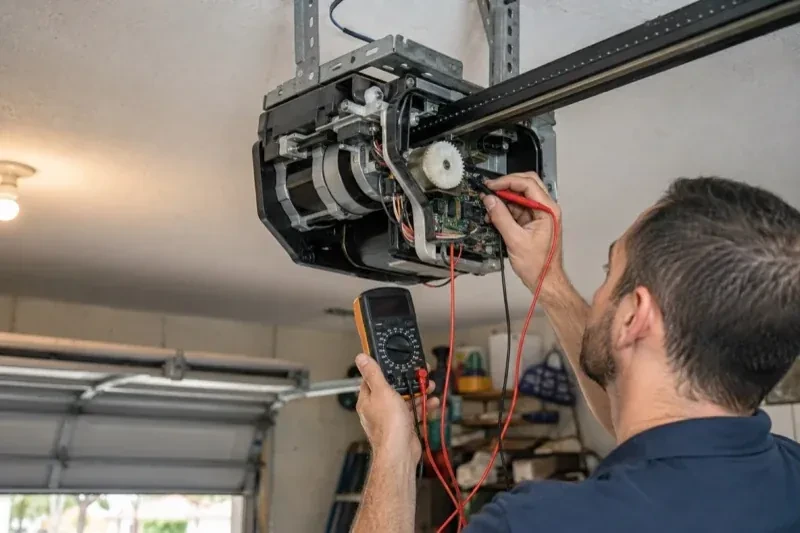
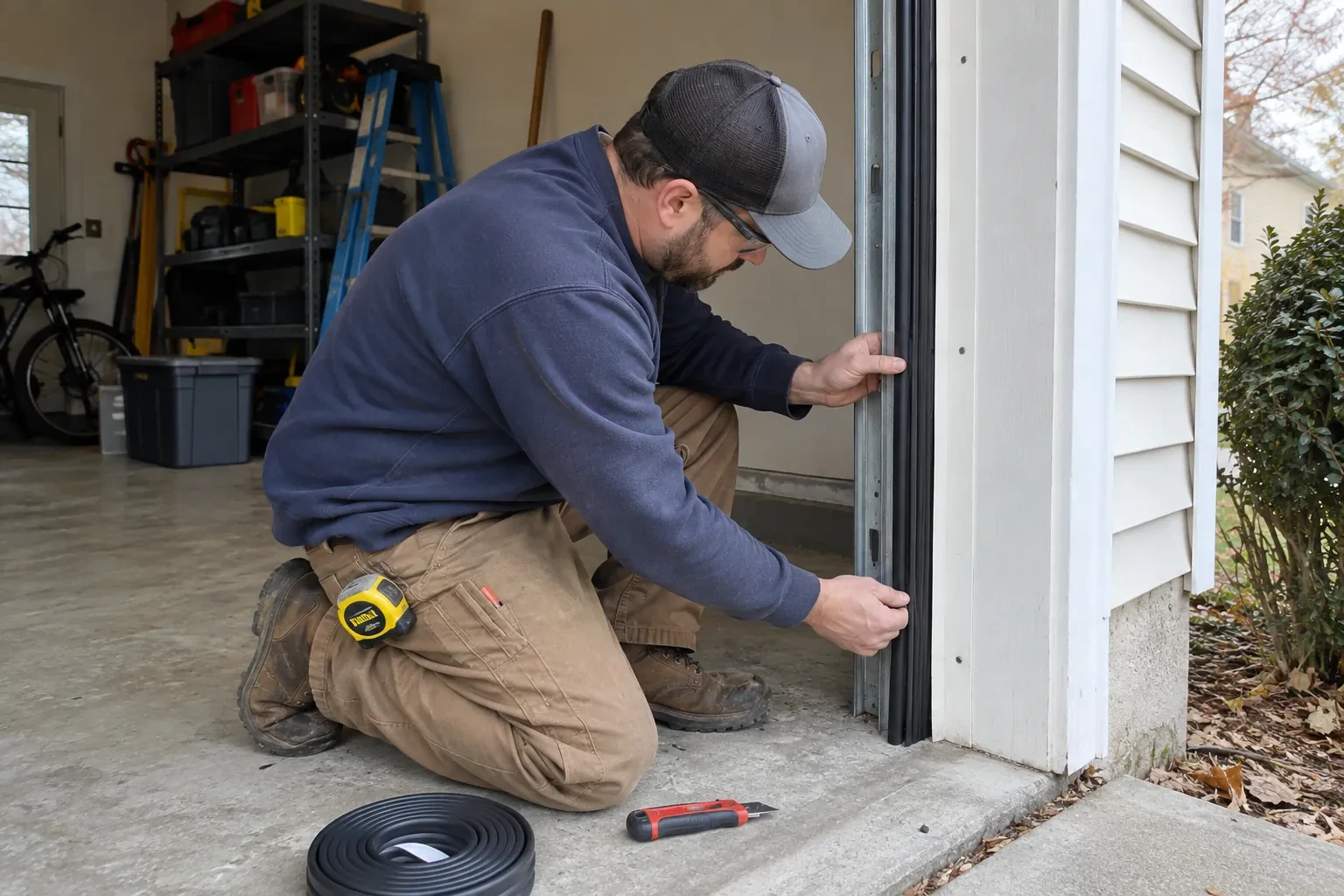
Every programming visit ends the same way, because a control that moves the door is also a control that can close it on something. Each remote button, each keypad code, each vehicle button and the wall control are operated in turn while the technician watches the full travel. Then the door is closed onto a 2x4 lying flat on the floor and must return to open on contact, and closed again while an object passes through the photo-eye beam, which must stop and reverse it. Only when both tests pass is the work signed off and the controls handed over.
Batteries, and when to change them
Each remote and keypad leaves with a fresh cell of the type the maker specifies, and you know what those types are, since a coin cell in a remote and the small cells in a keypad are different. The first sign of a fading remote is shrinking range rather than sudden silence, so a remote that needs you closer than it used to is asking for a battery. Outdoor keypads are hardest on cells in the cold months; changing them each autumn saves a frozen-morning surprise. Rechargeable cells are not recommended for many keypads, and the record notes that.
Garage Door Remote and Keypad Programming
In the van
Add-on rolling-code receiver kit
Universal multi-generation remote
Replacement remote (one, two or three buttons)
Wireless outdoor keypad
In-vehicle compatibility bridge module
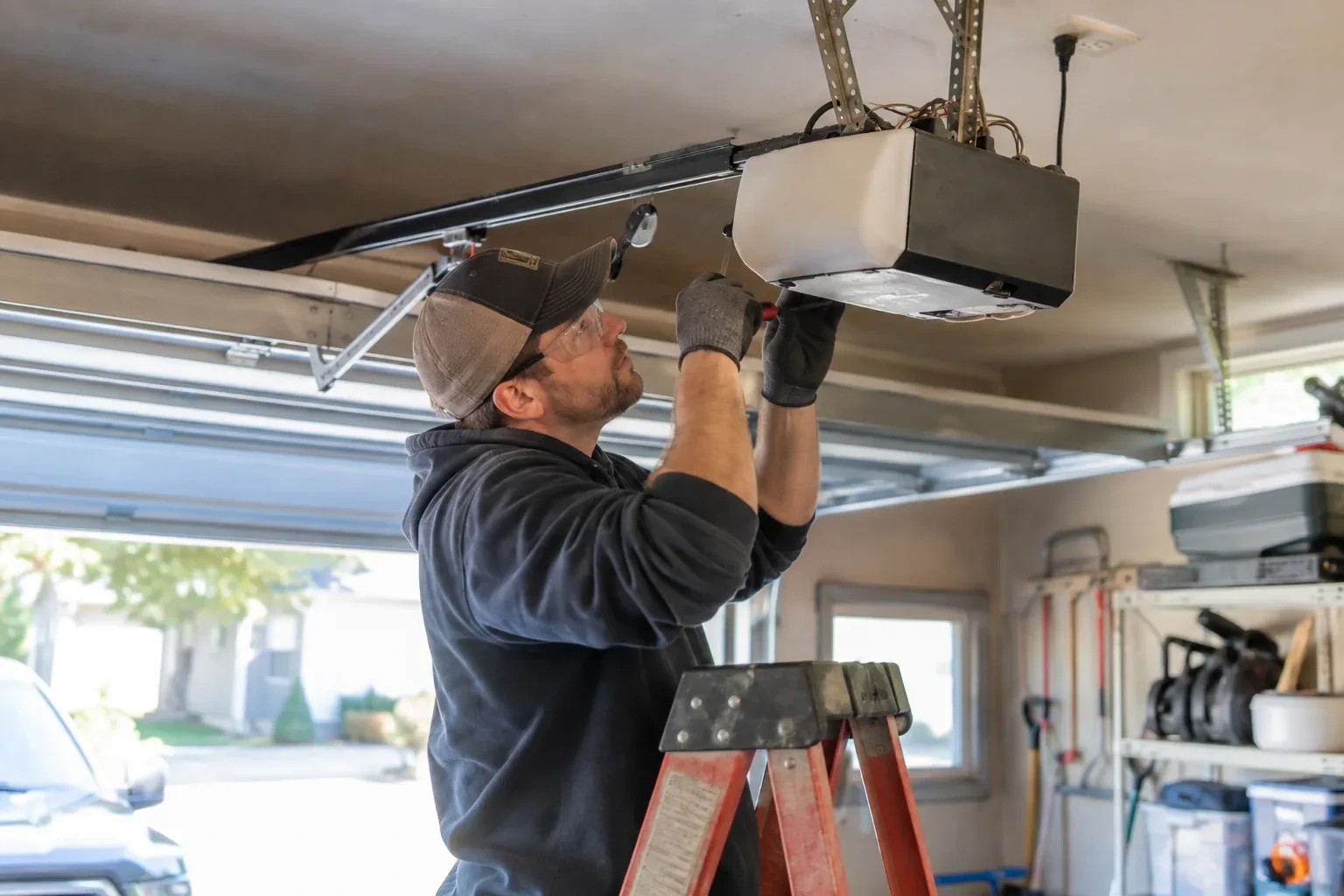
Garage Door Remote and Keypad Programming
What affects the quote
Batteries supplied
Coin cells for remotes and the small cells in keypads are counted per device when the technician supplies them, and noted so you know what to buy next time.
Opener check-up before programming
Confirming power, lock mode, sensors and door travel is included; any repair those checks reveal is discussed and quoted before it is done.
Distance to your door
Travel is part of the visit, and a house across town and a property well outside it involve different driving time.
What to have ready
- Which controls fail: one remote, all remotes, the keypad, or the car buttons?
- Do you own the home, rent it, or is the garage shared with other units?
- Is any remote missing or stolen, or with someone who should no longer have access?
Garage Door Remote and Keypad Programming: questions
QuestionsDo I need to be home for the programming visit?
Yes, for two reasons. The technician confirms that the person authorising changes to the door's access is the owner, a tenant with permission or the building manager, and you choose the keypad code yourself so it is never known to anyone else. You also test each control in your own hand before the visit ends. Have every remote and vehicle you want programmed available, since a car parked elsewhere cannot be trained.
My opener has tiny switches inside the remote. Can I still get remotes for it?
Those are fixed-code openers from before rolling code, and their original remotes are often discontinued. Rather than hunt for old stock, an add-on rolling-code receiver is fitted: it wires to the wall-button terminals, plugs into the ceiling outlet and brings new remotes and a keypad with it. The opener must already have photo eyes at the floor; if it has none, a new opener is the sound recommendation.
The wall button works but none of the remotes do. Is that a programming job?
Sometimes, but the technician rules out two things first. Lock mode on the wall control tells the opener to ignore every remote, and gives itself away by a steadily blinking wall indicator and two flashes of the opener light whenever a remote is pressed; holding the lock button releases it. A memory cleared by a long press on the learn button is the other cause, and that one is a programming job.