New Doors · Guildwood Village
New-Construction Garage Door Installation in Guildwood Village
The front elevation calls for a garage door that belongs with the windows, masonry and trim.
In plain words
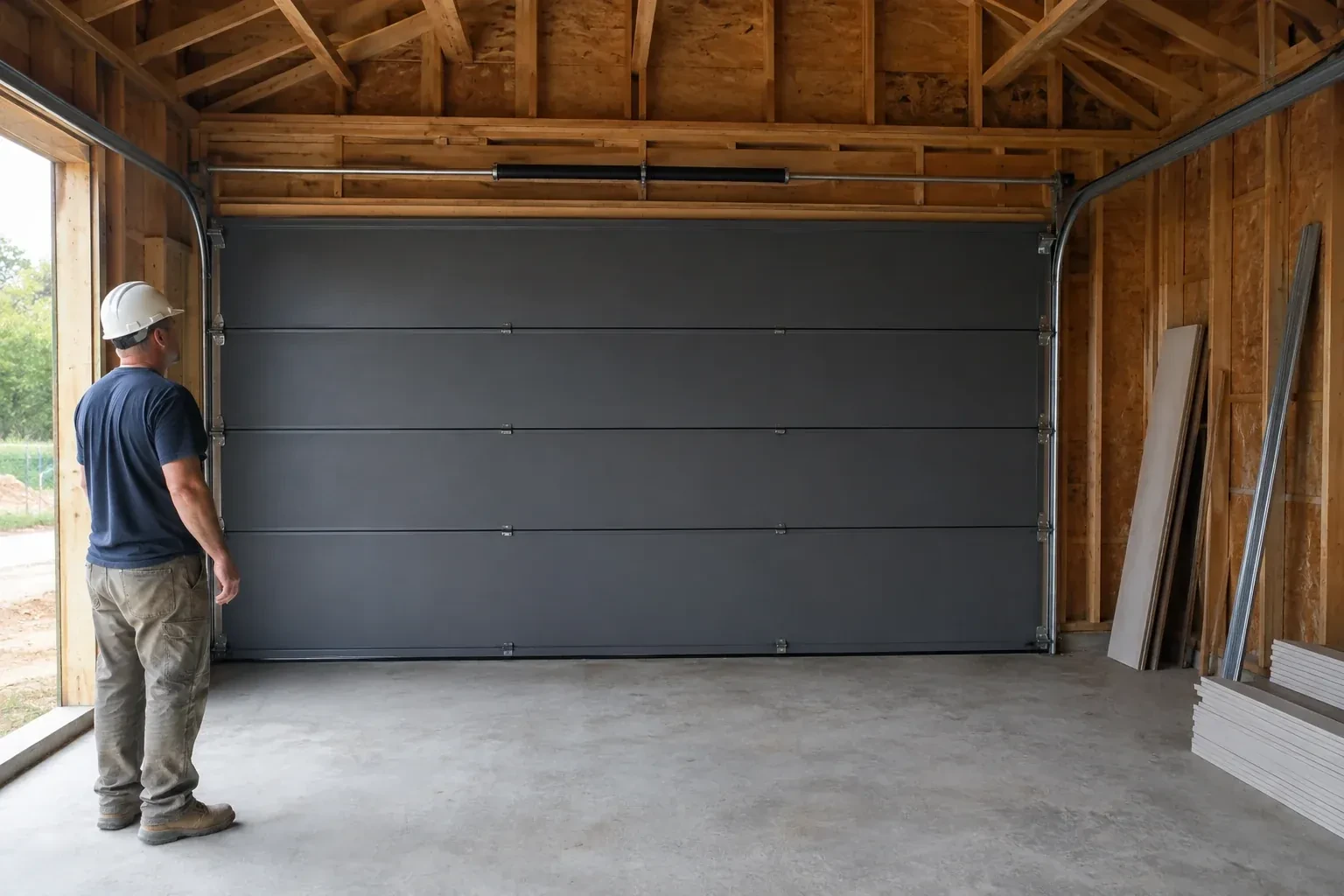
On a busy building project, this service provides a defined handoff between trades. Framing and finished-opening dimensions are accepted, electrical and ceiling conditions are confirmed, and exterior trim details are identified before installation begins. The door team then installs the sections, track, counterbalance hardware, seals and selected controls. At completion, measurements, installed components and test results can be recorded so the builder and owner know what belongs to the door system and how it operates.
How the visit goesThe build is nearing handover and the garage still needs its main moving component. A balanced door, fitted seals, working controls and a clear set of operating instructions will complete the opening for everyday use.
New-Construction Garage Door Installation
How the visit goes
Coordinating the exterior finish
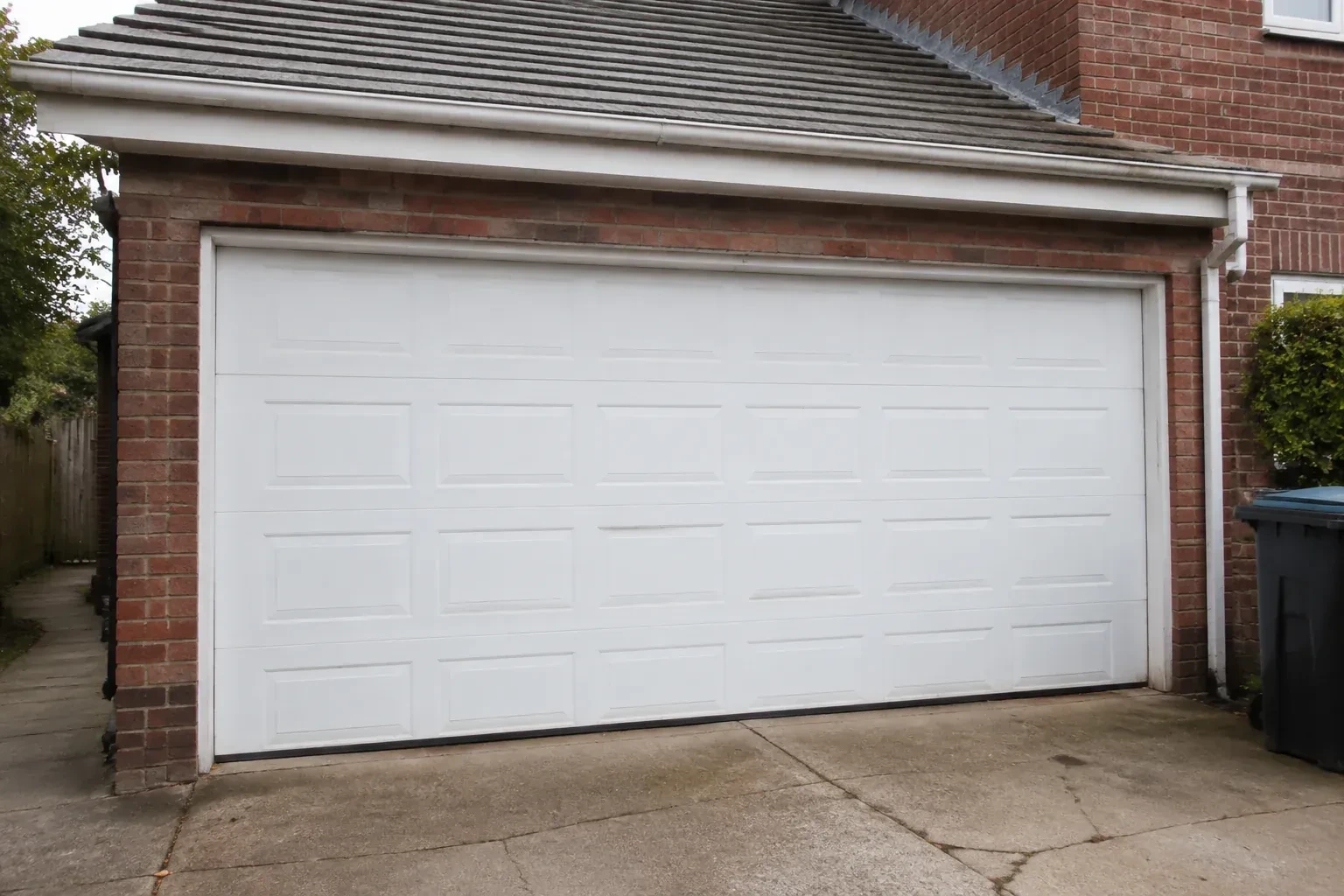
From outside, the door meets masonry, siding, stucco, trim and weather management details. The installer looks at those interfaces to establish where perimeter stop moulding will sit and whether the chosen colour and profile fit the approved elevation. Window placement and decorative hardware are checked against the section layout. The inspection also identifies which finishing pieces belong to the door scope and which belong to the cladding contractor. Defining that edge early supports clean margins, continuous sealing and an exterior appearance that follows the project selections.
Building the guided track path
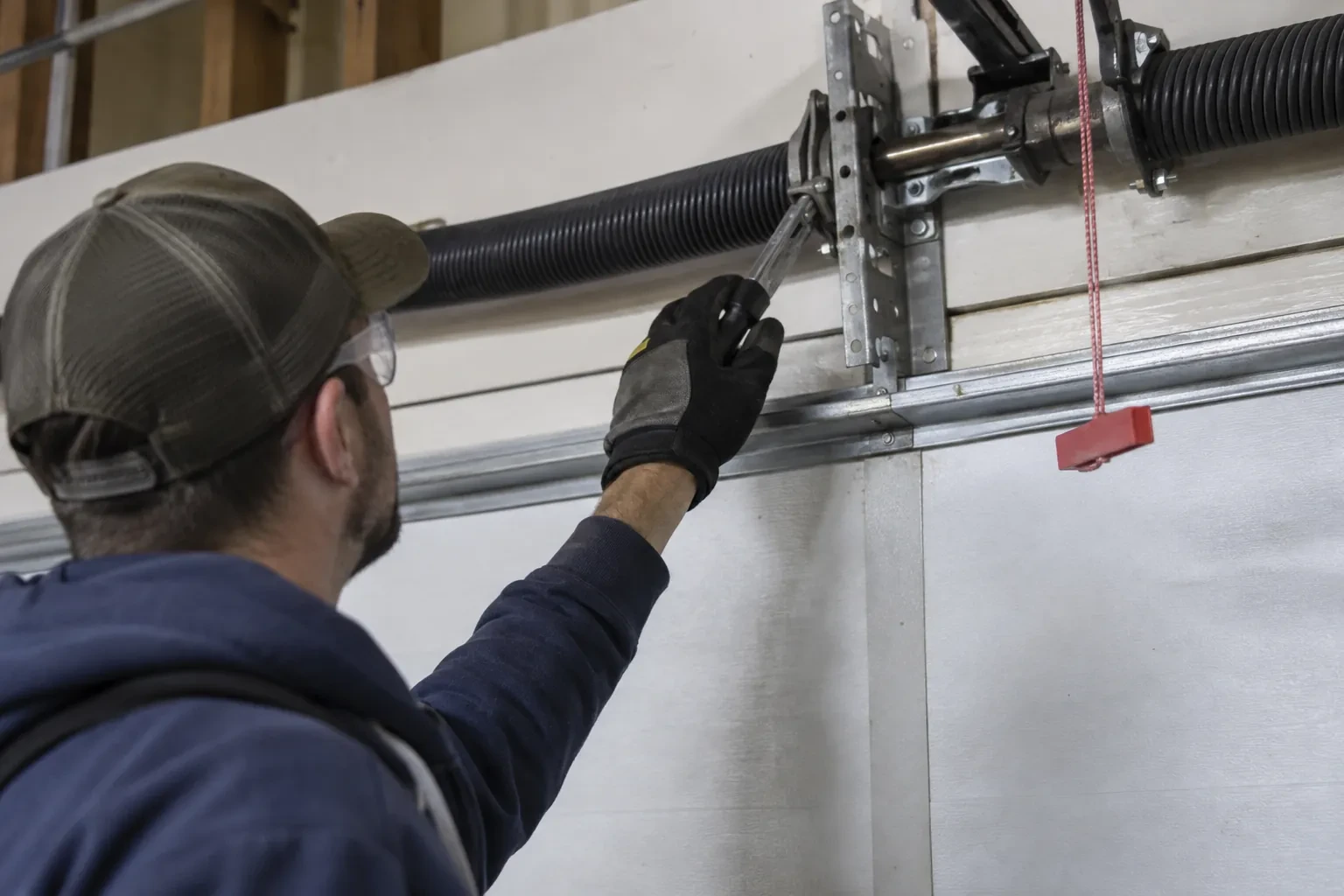
Vertical tracks are positioned at the jambs with consistent spacing for the rollers and sections. Curved pieces lead into the horizontal runs, which are set to the door manufacturer's specified level or slight upward pitch, aligned and supported from suitable overhead structure with braced hangers. The installer checks track separation and the top section's trajectory through the curve, making small alignment changes before final tightening. A well-built path lets rollers guide rather than drag the door. It also provides a stable reference for fitting the sections, setting top fixtures and locating the operator relative to the centre of travel.
A finished perimeter around the opening
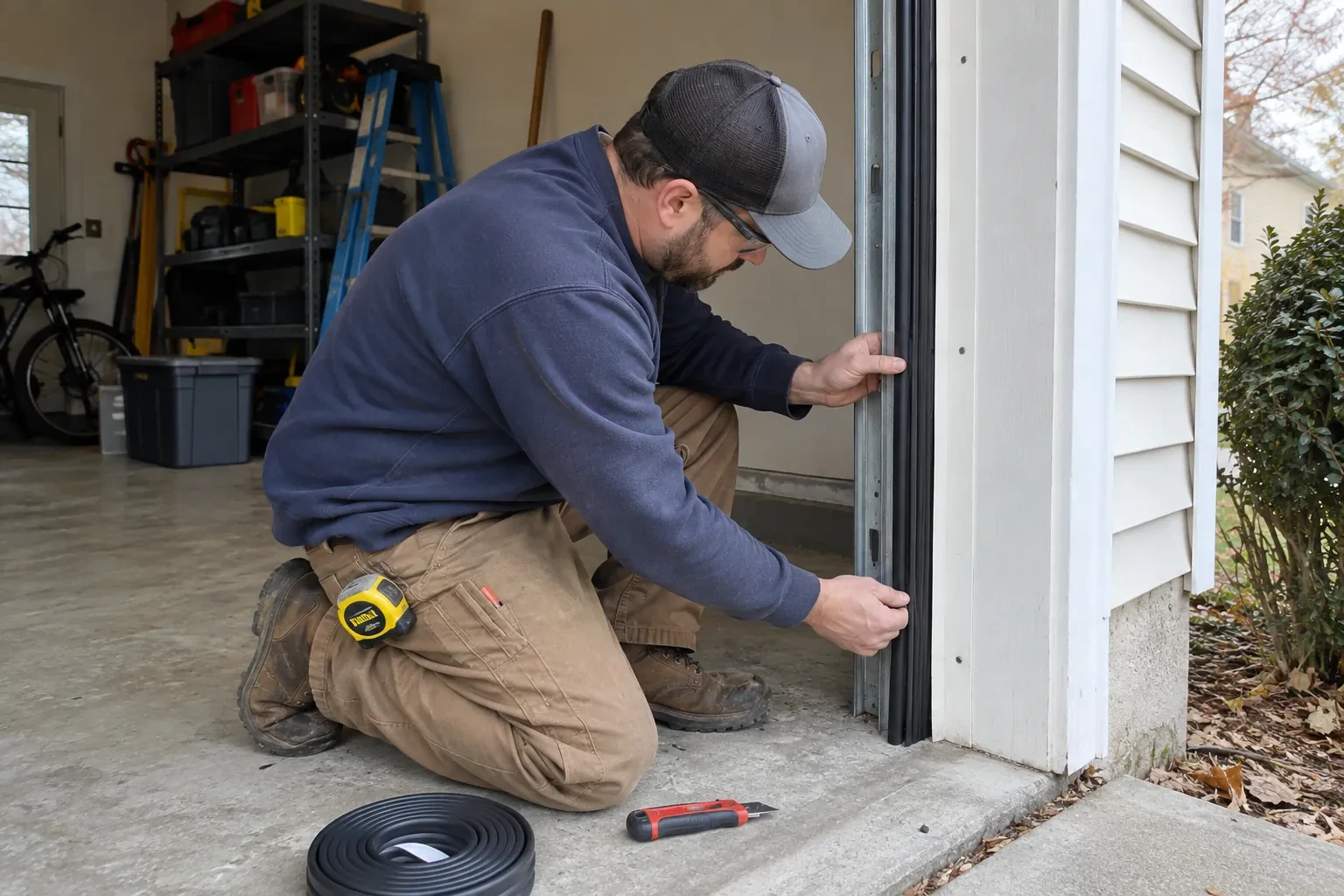
The closed door presents even margins at the jambs and header, with the bottom seal resting across the finished floor and perimeter moulding meeting the exterior face. These flexible materials reduce drafts, light and weather entry while allowing the sections to move freely. The handoff identifies any caulking, cladding or floor work that another trade still owns. Once surrounding construction is complete, keeping paint, mortar and floor coatings off the seals and tracks preserves the fit established during installation and leaves the door ready for normal seasonal movement.
New-Construction Garage Door Installation
In the van
Torsion shaft and bearings
Bottom brackets
Bottom and perimeter seals
Vertical and horizontal tracks
Graduated hinges
New-Construction Garage Door Installation
What affects the quote
Electrical preparation
The location and readiness of power, control wiring and sensor routes affect coordination. Electrical work outside the door install remains a clearly identified project responsibility.
Floor level and bottom sealing
A completed, reasonably level floor provides a consistent seal surface. Large elevation changes, unfinished coatings or a special threshold detail require added measurement and scope coordination.
Construction sequencing
A clear installation window reduces conflicts with flooring, masonry, drywall and electrical crews. Split visits or changing site readiness add staging and coordination to the work.
What to have ready
- Where are the operator receptacle and control wiring planned?
- Is the finished floor installed, level and at its final elevation?
- Which trade is completing exterior trim, caulking and final electrical work?
New-Construction Garage Door Installation: questions
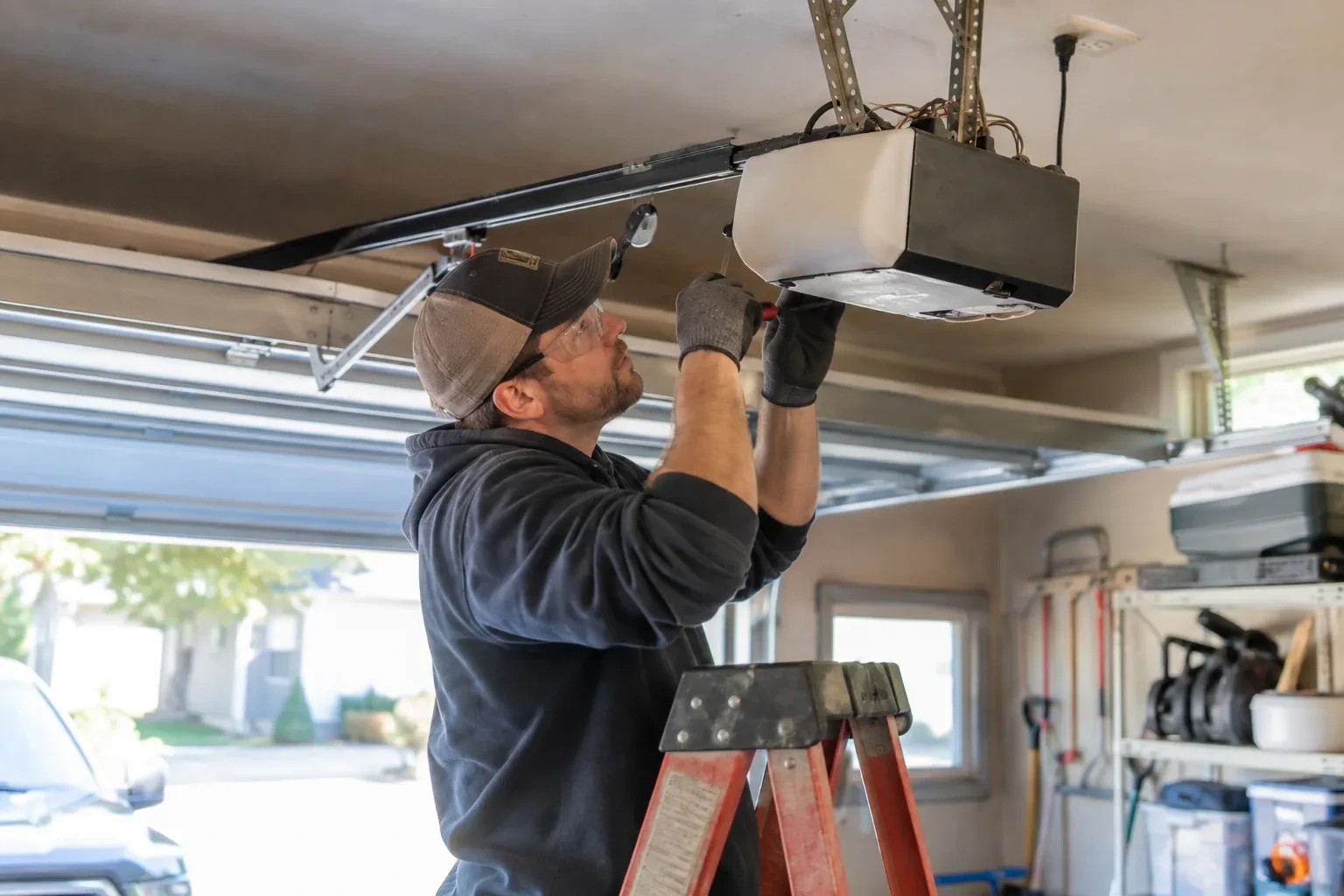
QuestionsIs an electric operator part of every installation?
No. The door system can be installed and balanced for manual operation, while an electric operator is an additional selected component. When included, the scope should name the operator type, controls, sensors, support and electrical preparation. The door is commissioned by hand before powered travel is set. This sequence confirms that the motor is connected to a freely moving, properly counterbalanced assembly.
What electrical preparation does a garage door operator need?
Preparation commonly includes a receptacle near the planned operator, a suitable mounting location and routes for the wall control and photoelectric sensor wiring. Exact electrical requirements follow the chosen equipment and project electrical design. Coordinating locations before drywall helps keep wires clear of tracks, springs and moving sections. The electrical trade and door installer should also agree who completes connections and when power becomes available for commissioning.
Which tests are performed before project handover?
The installer observes manual balance, level travel, roller guidance, cable tracking and how the closed door meets its seals. Track supports, fasteners and counterbalance attachments are reviewed. If powered operation is included, full cycles confirm travel limits and control response, followed by reversal and photoelectric protection tests. Manual release is also demonstrated. Results and any separate project items can then be recorded for closeout.
Related services
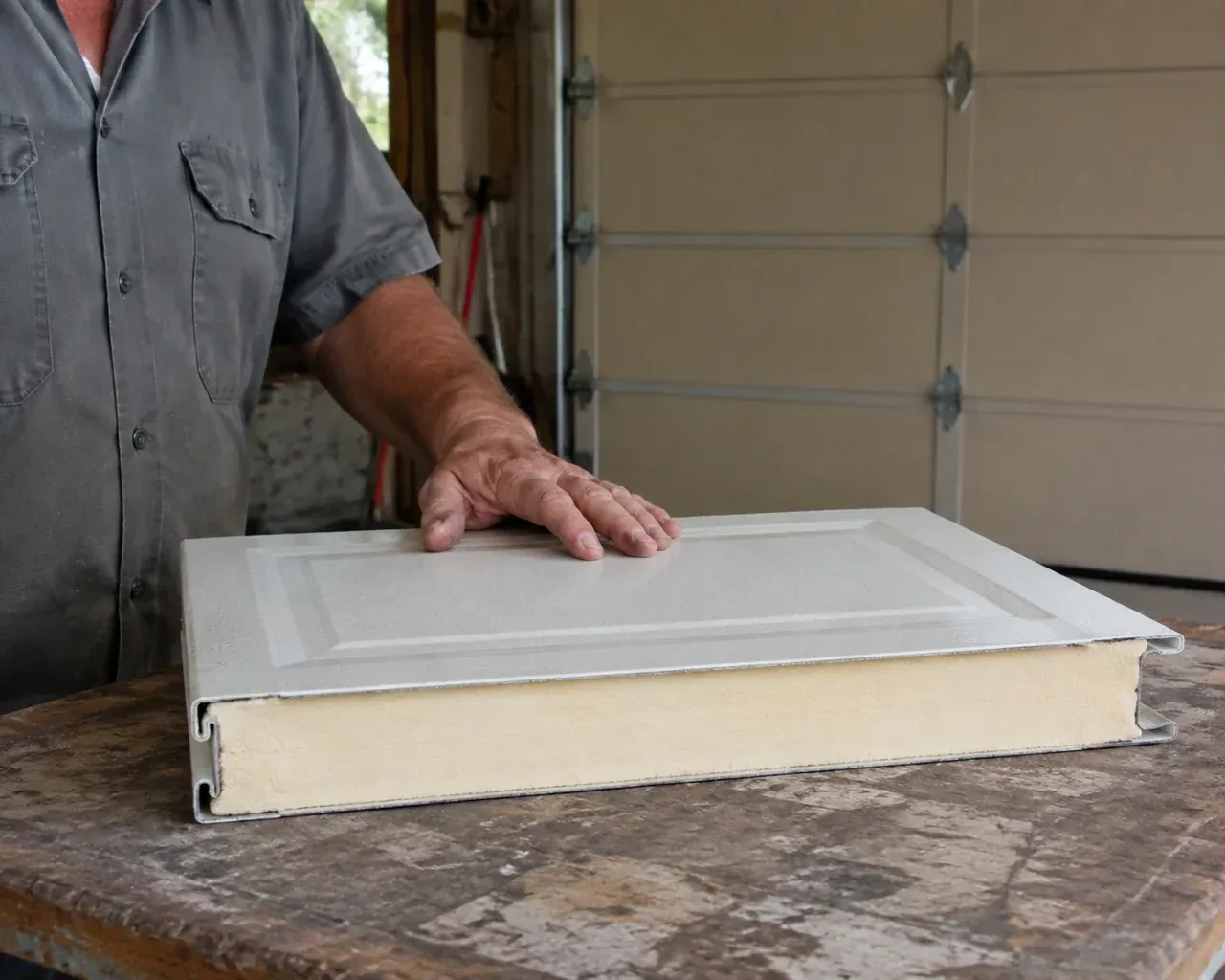
- Insulated Steel Garage Door InstallationThe room above your attached garage stays chilly while the steel door below feels cold to the touch.
- Wind-Rated Garage Door ReplacementNew windows would improve the door's appearance, but they also change the section layout and reinforcement pattern.
- Carriage-House Garage Door InstallationYour garage door works, yet its broad plain panels feel disconnected from the brick, gables and entry details around them.